Are You a Skimpy Tipper?

By Falande Swain

Going out to dine-in restaurants is a pleasure for many people, but when the meal comes to an end you have to pay the bill. Not only do you have to pay the bill, but you have to consider how much of a tip to include— is it necessary or is it an extra? Many Americans are not aware of what it’s like to be a server, so a few servers shared their thoughts and experiences on what it’s like to rely on tips as an income.

“The restaurant industry is the second largest employer in the U.S., providing jobs for nearly 11 million Americans,” Saru Jayaraman, Co-director of the Restaurant Opportunities Centers United, wrote in a recent article in Time Magazine. What many may not know is that servers only make a minimum of $2.13 an hour in almost all , including Utah. According to U.S. Department of Labor, “The tipped minimum wage has been $2.13 an hour since 1991.”

Trip Advisor says, “While tipping is not mandatory in most of the United States, it is customary in many circumstances for service, especially at almost all sit-down restaurants which offer table service and many food servers depend on tips as an essential part of their wage.”

Brio Tuscan Grille at City Creek is an Italian restaurant that has been open since the summer of 2013. The servers say even when the food and service are excellent, the tips that the guests leave can be rather disappointing..

Javier Chavarin has been working at Brio for over three years. The thing that he loves

FullSizeRender (1)

Suggested gratuity is usually included at the bottom of the receipt.

about his job is getting to be part of the guest experience. Guests come in to celebrate their birthdays and Chavarin is glad to share that moment with them and always hopes to get good tips from his efforts. As a server he says that he gets paid $2.13 an hour and relies on tips to make up the difference. Chavarin said, “Anything below 10% is a slap in the face.” Most restaurants include suggested gratuity at the bottom of the receipt.  The average tip is usually between 15% to 20% of the bill.

Tina Knowlton, a server at Brio, said that she recently served a group of ladies who were in town for a hand bag convention. After the ladies paid she looked inside the check book and saw a disappointing tip—but they did leave Knowlton a pamphlet for their hand bags. Knowlton joked, “How do they expect me to even buy their hand bags if they don’t even tip me enough?”

The reality of working for tips is hard because although a server might get really good tips at times, there’s no consistency. One week you may make good money and the next week you may only make half of what you did the week before. Another server, Mikelle Poulson, says that she has been serving for over 10 years and likes it because she can make decent money without having to work a full time job. “The only thing that sucks is the inconsistent money you make.”

According to Trip Advisor, “In most larger restaurants in the USA, the server has to pay back a portion of their tips to the bartender, busser, hostess, and food runners.” Once the shift is over, the servers at Brio tip 15-20% of what they made in tips to the server assistants and bartender. The $2.13 an hour the servers never get because it all goes to taxes. At the end of the year servers still have to pay taxes on the tips that they made for the year.

Servers say that guests can be rude and under tip, but when someone leaves a generous tip everything seems to be rosy again. Restaurant goers might want to remember to consider the tip when looking at the menu prices and factor that in rather than thinking of it as extra. Although tipping isn’t required it is expected at almost every dine-in restaurant. So the next time you go out to eat don’t be a skimpy tipper.

Hannah Broady

1506671_10204875172695997_2446306534724223835_nI am a Strategic Communications major at the University of Utah. I was born in Noblesville, Indiana and moved to Salt Lake City, Utah to further my education.
I am aspiring to have a career in the advertising or marketing industry after I finish my degree. I hope to be able to incorporate my love of art and design into my future career.

The Abandoned Gateway

Story by Hannah Broady

How does a popular place of business go from crowded to dead? Why do faithful customers decide that they no longer want to go and visit their usual spots? This can happen anywhere and it’s happened right here in Salt Lake City.

The Gateway Mall, located at 18 North Rio Grande Street, West of downtown, has seen a significant decline of traffic and business. The decline of steady business has become such an issue for the mall that stores have been forced to close down and either relocate or go out of business. Just a few years ago, this area was bubbling with families and frenzy. Now the Gateway is all but deserted.

One of the main reasons for the decline in business is the opening of the City Creek Center. This mall is larger, up to date and located at the heart of downtown Salt Lake. City Creek also offered its vendors two years rent-free. With all of these business perks, it’s easy to see why popular vendors such as the Apple Store and Forever 21 decided to move to City Creek.

Aubrey Farnes, manager at Urban Wear at Gateway, stated that City Creek has caused all of the big name brands to move and has left many open vendor slots throughout the Gateway mall. Sara Senior, manager at Francesca’s, stated that because of the lack of stores, the mall cannot attract enough customers and stores are being forced to close. Both of these manager’s stores are closing or will be relocating by the end of the year due to lack of profits.

Another huge problem Gateway faces is the location of the mall. The area around it has developed to be a less desirable neighborhood and has the homeless shelter located just across the street. Some of the homeless come and sit within the mall along with panhandlers and drug users. Farnes said, “Security had to be increased because of people using mall bathrooms and entering stores and causing trouble.” She recalled how security would constantly be finding drug addicts using in the restrooms and had to be arrested.

Farnes also said how frequent theft had gotten in stores, making it more difficult to obtain a profit. Senior said, “The South side of the mall has way more problems because of how close that side is to the homeless shelter.” All of these piling issues make it even harder to create that safe family feeling that the Gateway once held.

Despite all of these issues, the Gateway security is taking measures to fix these reoccurring problems. They took action against drug users and made the restrooms only available to Gateway shoppers. Non-customers are escorted out. The security also increased its staff by 30 percent to help monitor the mall more consistently.

The mall is also going to add its own unique flair to help compete with the new modern City Creek. Farnes said that the Gateway would be getting a face lift and would have a more retro feel such as one of a kind stores and more colorful décor to attract customers to something different that they can’t find anywhere else.

Farnes also said that giving people a reason to come to the Gateway such as getting those big name vendors or making the Gateway and outlet mall could help bring the Gateway back to life. Senior said that they should make the Gateway an entertainment area or adding more unique stores related to Utah to help create an exclusive feel to the mall.

Whatever the solution to this slump may be, the Gateway staff and vendors will likely need to think of a plan and put it into action soon. The Gateway area should be a proud place local Utah residents suggests to incoming tourists, not a place they shy away from and try to forget it exists. This area should be a reflection of everything Salt Lake City has to offer, alongside City Creek. Both malls should add to the experience of Salt Lake and create the fun, unique and family friendly atmosphere that this city holds.


Heilala Potesio

I am currently a journalism student majoring in Communications and Business Administration at University of Utah. I have always had a passion for journalism, public relations and marketing.

I am heavily involved in public relations for a few organizations such as Evidence2Success in Kearns and Utah Pacific Islander Civic Engagement Coalition. I am also a board member of Utah Pacific Islander Health Coalition. I have always pursued my interest to help the underprivileged especially in the Pacific Islander Community.

As a first generation student in my family, I upheld the values of hard work and determination to become successful in academia. My goal is to help empower members in the Pacific Islanders to raise their pens and share their stories to help our communities.

Mike Tuiasoa and Watchtower Cafe: The powers of caffeine and comics unite


Ray Stowers

Ray

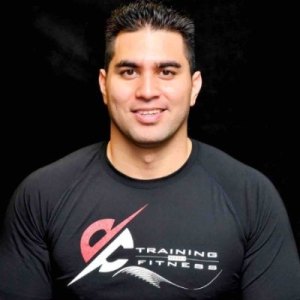
Ray is a full-time student at the U double majoring in Economics and Communication. He is a former football player that played for the Utes back in 2004 to 2009. Ray was born and raised in Honolulu, Hawaii and is happily married with 4 daughters under the age of 5. He is currently a personal trainer and a high school football coach at Viewmont High School. Ray is planning on attending grad school in the fall and hopes to one day become a college football coach. His passion is turning young student-athletes into competitors and helping them be a positive contributor to their community.

Meet Chevron’s Spokesperson, Mikal Byrd

Rags to Riches to Rags: Why Pro Athletes Go for Broke

Falande Swain

AAEAAQAAAAAAAAk7AAAAJGEzYmNlOGFlLWFkZjItNDJjMC1hN2E4LWY5ODIxYzAzNmI1YwI’m an aspiring marketing and communications student at The University of Utah. I was born and raised in South Florida and moved to Utah to pursue my education.
I hope to have a career in the marketing or advertising industry in the near future. I love beauty and health wellness and would love to do marketing and advertising for beauty and health companies, but very open to trying new things.


Stories by me:

From Vietnam to Salt Lake City Salon Owner

Samuel Knuth – A Brief History

Speak truth to power! Speak power to truth! I write from the hip and shoot from the mouth. I like stories with legs that take me for long walks off of short piers. I have written for the world-renowned Daily Utah Chronicle publishing my straight-talkin’-style opinion pieces. I’ve tried my tired hands at all kinds of stories, but I’ll always go back to well for a foreign affairs piece.

Samuel Damiani de Barros

I’m double majoring in Economics and Communication. I always want to develop my skills and I’m always looking forward to new experiences that will help me learn and grown.  I was born and raised in Sao Paulo, Brazil, but I had the opportunity to live in many places of the world. Living in all these places helped me become more diverse and understand people’s culture better. I strongly believe that you can always learn something good about every culture and apply that into your life.

Foto facebook


Stories by me:

The life of a student athlete

Why Donald Trump’s mass deportation plan is a bad idea?


Meet Chevron’s Spokesperson, Mikal Byrd

By: Ray Stowers

Mikal Byrd loves the opposition and challenges life brings her. A native from Maryland, Byrd works in the oil industry which gets a lot of criticism. She is the spokesperson for Chevron and has been with the company for about four and a half years now. She moved to Utah almost two years ago and is now the Policy, Government and Public Affairs Representative at the Chevron Salt Lake Refinery.

Since moving to Utah, her lifestyle changed as she realized how much she loved the outdoors and hiking, perhaps even working out and staying fit. Her passion is helping give back to the community any way she can. It comes natural for her to lead and take on multiple responsibilities which is evident why Chevron has her in charge.

With Chevron, “My job is to protect the brand, engage the community and represent Chevron the best way possible.” Byrd appreciates the variety of challenges she gets to face with her job. One night she could be having dinner with the Governor, the next day she would be out at the refinery working with the guys, and the next morning she would be on a field trip to a conservation site with a group of 4th graders. “I really do have the best job in the world, I get a little bit of it all” she replies.

What are some things that make you proud of Chevron? “I am proud to say that Chevron really cares about the community and is always looking for ways to help out in any way through donations, scholarships, services and special projects.” On the Chevron website it states, “We contribute to the economic and social well-being of the communities where we operate by creating jobs, supporting local businesses and training the work force of the future.” In the past 3 years, Chevron has invested more than $170 million in education and programs to help further improve the quality of learning and hopefully in return improve the company itself. Wherever there is a Chevron dealership, the company strives to build lasting relationships with that community and aim to create prosperity for the future.

Some of the challenges Chevron face on a daily basis are “Making the community understand what we do. Where ignorance tends to be, people will fill in the gaps if they don’t know.” Her main focus is to educate the community on what Chevron is all about. Whether it’s through newspapers, social media, television, or the internet, Byrd’s job is to shed light on any grey areas or concerns that people may have on the company. Some of the problems that Chevron has been working on are air pollution and water usage. They’ve invested a lot of money to help find the best possible solutions. She says, “In the last 10 years we invested hundreds of millions of dollars to get air pollution down 90%.” Along with the environment, Chevron is passionate about community service. “The public should know how much Chevron really cares about the community and is always looking for ways to help out in any way through donations, scholarships, services and special projects. We are always looking out for the public’s safety as well and want everyone to know that we are the best at what we do by keeping our gas as clean and safe as possible, which separates us from all others.”

Byrd certainly sees herself retiring with Chevron. In 10 years from now she hopes to be working overseas for the company and do international projects. She is always optimistic about the future and she has no doubt Chevron will continue to flourish because of the high standards and ethic morals they stand by.

Utah’s Natural Disneyland: Does the increased traffic and tourism of wild Utah hurt the environment?

By Zach Dugdale

In order to keep the wilderness of Utah alive and healthy, new regulations on development and conservation efforts must be on par with tourism traffic.

The state of Utah is an outdoor recreation mecca. Home of five national parks, 14 skis resorts and countless other hidden areas for rock climbing, cliff jumping, hiking, backpacking and mountain biking areas, Utah offers incredible natural terrain minutes from a rapidly growing city area.

This unique combination of city life and outdoor recreation opportunity has caused Utah to become home to outdoor gear companies like Black Diamond, Petzl, Klymit, Kitten Factory, Backcountry.com, as well as multiple others.

Utah has also become the host state of massive gear and tradeshows such as the Outdoor Retailer and the Adventure Gear fest, which help companies to grow and become recognized in the industry.

The growth of the outdoor gear industry in Utah is a direct result of increased tourism and participation in these outdoor sports, which is a major source of income for the state.  According to the Utah Tourism Data Sheet compiled by The Policy Institute at the University of Utah, the state made $133.6 million dollars in tourism-related tax revenue in 2014, thanks in part to the over seven million national park visitors and the nearly four million ski visitors that explored the state.

Even still, the state of Utah is making advances and efforts to further increase tourist traffic.

The slippery slope of Utah’s rapidly growing ski industry

Recently, Vail Resorts combined the previous areas of Park City Mountain Resort and Canyons Resort to make the largest ski resort in the nation. Other plans, such as SkiLink and One Wasatch, have attempted to combine the seven ski resorts in the Wasatch Mountains above Salt Lake City to increase tourism and skiable terrain.

One Wasatch, for example, proposes to connect all seven ski resorts in the Wasatch Mountains with multiple ski lifts.  This means an increase in development of the canyons, increased traffic and decreased backcountry and wild terrain, all simply to increase the amount of tax revenue the state receives.

The state of Utah has also created organizations designed to increase tourism by glamorizing and commercializing the ski industry. At the 2016 Adventure Gear fest in Salt Lake City, a representative from Ski City, a promotional organization attempting to increase tourism in Utah by presenting Salk Lake City as the perfect destination for skiers, commented on the efforts of the organization to increase tourism.

“Over the last couple years,” the representative said, “marketing programs related to the 500-plus inches of snow, city campaigns, and purchasing media spots in Australia and Asia have provided new growth for the industry.” Utah has become an international ski destination, showing increases in traffic of people from all over the globe.

Increased traffic equals decreased health

Nearly all of the life in Salt Lake City and the surrounding areas is sustained in one way or another by the Wasatch Mountains. With such a massive influx of tourism and traffic to the state, particularly the ski areas and resorts, the health of the mountains must be kept at the forefront of developers minds. But is it?

The mountains are an extremely fragile watershed; a major source of water for thousands. The Uinta-Wasatch-Cache National Forest website indicates that over 60% of the water used by residents of the Salt Lake Valley comes from canyons in the Wasatch Mountains.

The watershed of the Wasatch mountains is so fragile that dogs and other domestic animals are banned from some of the areas in the mountains, and, according to Carl Fisher, executive director of Save Our Canyons, a car spilling oil in one of the canyons is all it takes to stop the intake of water into the treatment plants at the base of the canyons.

Increased development, tourism and traffic of the Wasatch also has extremely negative effects on the air quality of the Salt Lake valley.  With the air in the valley reaching peak levels of toxins and pollution in recent years, the question remains how much more traffic the environment can handle.

What is being done?

Fortunately, people such as Carl Fisher and groups such as Save Our Canyons and the Wasatch Backcountry Alliance have become involved in protecting not only Utahans’ natural resources, but also in stopping further development of the Wasatch. Increased resort development designed to attract tourists simply invades on the rapidly decreasing areas of remaining true wilderness left in the Wasatch that local outdoor enthusiasts have grown to love.

“There are so many people in the backcountry now, and so any more resort development is just going to limit that space even more” stated a representative of the Wasatch Backcountry Alliance at the 2016 Adventure Gear Fest.

With the state of Utah’s pockets being increasingly deepened by tourism and tourist activity, new conservationist movements designed to educate people on how to use the canyons will become increasingly important.

Utahans ultimately ski and snowboard on the same water that they drink. Given such a relationship, locals, tourists and legislators alike must monitor, regulate, and conserve.

Salt Lake City, is it changing?

Story by Reuben Lehr

enterpriseart

Utah is infamous for being the home to the conservative Mormon religion, however the capital city, Salt Lake, is liberal in comparison. Listed number five on Forbes’ list of fastest growing cities, Salt Lake is constantly expanding. With LDS culture right at the heart, and their belief that sex and marriage should only occur between a man and a woman, it may come as a surprise that Salt Lake has the seventh largest LGBT community. This poses the question as to whether a state with a conservative base can fortify growth within a community that is not supported by the Mormon Church, such as the LGBT community.

To dive further into this inquiry I decided to ask the opinion of members within the LGBT community to see their feelings towards the issue. I started with Andrew Edward Moncrief, a Canadian artist, who had a short spell in practicing his art in Salt Lake. Before coming to Utah, Moncrief’s knowledge of Utah’s culture was very limited, adding an interesting opinion on the matter. In an interview with Daily Extra, a Canadian magazine, he describes his familiarity with Utah, saying, “I didn’t even know where Utah was on a map before the first time I came here.” Moncreif used his time in Utah to focus on his art and had a successful show at the Utah Contemporary Museum of Arts called “A Strange Feeling.” The exhibit featured images of nude male wrestlers, describing it as an unraveling of “dichotomies of violence and intimacy, stoicism and submission, tolerance and taboo.” The content of the exhibit is something that not every artist would have the guts to tackle, especially not in Utah. The success of “A Strange Feeling” demonstrates that even in a largely Mormon culture, art based on opposing views can still thrive.

To further the question, I asked Andy Simmonds, aka @heyrooney, for his insights. Simmonds is an illustrator, business owner and popular Instagram persona who energetically describes himself as “loudly gay.” In fact, his business is oriented towards the LGBT community, adding an interesting take on his opinions regarding the changing Salt Lake area. In an interview with Out Magazine, Simmonds describes his frustrations he struggled with growing up in the LDS religion, saying, “Mormonism is a very rigid belief system and an even stricter culture.” For Simmonds, his work has thrived off the culture he previously struggled with. His art is what led to the creation of his business, selling his illustrations on various products like t-shirts, posters and other various items. He describes his work and his merchandise as pieces that “challenge core ideas in the community.” Simmonds ability to explore his art and grow a successful business in Salt Lake’s culture demonstrates that, although, the beliefs of the Mormon Church are prevalent, they don’t have to hinder someone if they are willing to work.

Perhaps the most influential evidence of Salt Lake’s changing culture is the election of Jackie Biskupski, Salt Lake’s first openly gay mayor. In fact, Biskupski said, that her victory “is not just about making history, it is about people. It is about effecting change.” Just weeks after Biskupski was elected I had the pleasure of sitting next to her and her fiancé at the Market Street Bar, congratulating her on her victory, we shared a laugh or two and then carried on with our dinners. At the time, I remember thinking, “What an exciting time this is for the city.” However, shortly after her election the Church upset the LGBT community with its new policies that exclude children living with same-sex couples from having baby-naming ceremonies and baptisms. Furthermore, they stated people in a “same-gender marriage” were subject to excommunication. Although the Church, and not the state made these policies, they still reflected a strong attitude within the Salt Lake community. Biskupski’s election was undoubtedly a huge step for Salt Lake, however the prevalence of conservative opinions reinforces the question at hand.

Factoring in the success of a controversial art exhibit by Andrew Moncrief, the creation of a popular pro-gay company by Andy Simmonds and the election of the first openly gay mayor, Jackie Biskupski, it would seem that Salt Lake is becoming highly progressive.

However, at the same time both Moncrief’s and Simmonds success is fueled by the controversial attitudes towards the LGBT community. And curiously enough, Moncrief no longer lives in Salt Lake, although, it is unsure as to why he came here in the first place or why he left, one could speculate his leaving as a sign of disagreement with the culture. Additionally, the same month Mayor Biskupski was celebrating her victory the Church, whose headquarters reside in Mayor Biskrupski’s city, was releasing new anti-gay policies.

Ultimately, I do believe that we are all witnessing a slow change of Salt Lake’s culture, one that is painful for many. As someone who would like to proudly say that I was born and raised in Salt Lake, I am hopeful for the future, however Salt Lake has a long way to go.

A 20 Year Old’s Dream Job and the Two Men Who Had It

By Bianca Velasquez

Experiencing Kilby Court for the first time is like finding a priceless treasure at a Yard Sale. You don’t expect to find a place like this all age’s music venue. But when you are there wrapped up by the ancient red wooden fence held up by the neighboring trees, you are no longer in SLC. You are in a priceless treasure.

The owners are a couple of former Kilby Court teen volunteers who made their after school activity their career. William Sartain and Lance Saunders are the reason I believe that you can build something out of very little. This is not a biased statement just because I have worked with them, and they taught me the art of being an entrepreneur. This is a common belief held by musicians, artists, students, angsty teens, overwhelmed adults, and every single person that ever stepped into the red gate of Kilby Court. These two men are behind it all.

My first interactions with William Sartain and Lance Saunders were comically different.

I met Lance as a 17 year old freshman in college, weighed down by the pressure of living on your own and the hair extensions pulling at the roots of my hair. Starfucker was the first show I ever went to at Kilby Court. I was on a date with someone that I didn’t really like, but I had a great time regardless. I was so awakened by the DIY style of this all ages venue embedded in what seemed to be an automobile graveyard. I saw Lance running back and forth in between the ticket booth and sound engineer (which wasn’t very far). My first thought, “This guy must be the boss around here”.

A couple years later, I met Will at a coffee shop by Carlucci’s in downtown Salt Lake. I don’t remember the name of the place. Though I do remember the windows were large, I almost couldn’t see the desserts in the display case on account of all the light from outside reflecting on it. We had arranged to meet there for lunch to talk about this event I wanted to host at Kilby Court. Sartain was impressed that as a 19 year old I had already started my own little event business that celebrates artwork in SLC. By the end of that meeting, I was hired as his intern. That day I learned something about Will that remains true and has gotten him where he is today; if he sees something he wants, he takes it. And not in the malicious evil sorcerer in a Disney movie kind of way. In the “I have a vision and I’m brave and passionate enough to not let it die” kind of way.

Will Sartain started working full time at Kilby Court while attending college in 2003. Sartain started at Kilby doing sound and running the box office. Soon after, he worked his way up to booking shows and mastered the art of which band to pair with which touring band for the right demographic. “After 6 months I was booking all of the shows completely.” Sartain says, highlighting the momentum of his influence on Kilby Court. Two and a half years of booking shows went by, and Will used his experience to start his own business with business partner Lance Saunders. Consequently, S&S promotions was born.

S&S (Sartain and Saunders) immediately became a mini empire in the music world takin homage in Salt Lake City. “It grew from 40 shows a year in 2006 to 600 in 2016” explains Sartain. This combination of energy and success that was radiating from these two early-twenty year olds was the perfect elixir for a new step to be taken. This step was to purchase Kilby Court and make it their own. Sartain knew the job, and he knew how to do it well. With Saunders on his side, who brought in the local bands, Kilby couldn’t have fallen into better hands.

In 2008 Sartain and Saunders purchased Kilby Court from Sartain’s former boss, Phil Sherburne. “It’s very difficult to keep an all-ages venue running solely on ticketing income. Kilby is a labor of love…and a staple in the Salt Lake City music scene.” explains Saunders. It now has been 8 years since Sartain and Saunders have owned Kilby Court.

A year after purchasing Kilby Court, S&S took ownership of Urban Lounge. With a sigh in his chest Saunders says “Urban Lounge is more time intensive in regards to planning, scheduling, delegating due to the size of bands come through and the fact that we sell booze there.” Saunders had been working at Urban Lounge since he was 21, so like Sartain regarding Kilby; he knew the ropes. Then just this last year, Sartain and Saunders opened a diner on the side of Urban Lounge called Rye.

We closed the interview, and reflected on Kilby Court, where it all started. The love that is held between those men and that garage surrounded by a red fence is something we all can understand. Saunders finishes with “Kilby is simple…it’s more about getting people through the door to experience something new…something that could change your perspective on life. Might sound cheesy, but it happens there.”


Utah’s increasingly important role in the refugee crisis: What one organization is doing and how you can help

Story by: Monique Morrison

The Refugee Crisis and Resettlement Agencies

According to the UN Refugee Agency there were over 50 million refugees throughout the world, and at this time the United States of America accepts 80,000 refugees into our country annually. From these 80,000 about 550 come to Salt Lake City, Utah in search of safety, prosperity, and the chance to live out a fulfilling life.

In Utah, there are two main refugee resettlement agencies: the International Rescue Committee (IRC) and Catholic Community Services (CCS). These services assist refugee families throughout the entire resettlement process and continue to work with them once they arrive in America.

According to Amy Meyer, AmeriCorps VISTA and volunteer coordinator for IRC, resettlement agencies contact the refugees before resettlement, give them the necessary tools to migrate into America and provide them with assistance for up to two years in establishing a life in the United States. Specifically, she says that the IRC provides refugees with furnished homes, assists them in finding jobs, teaches English courses, enrolls adults and children into school, and assists them in gaining American Citizenship.

In Salt Lake City there are approximately 550 refugees resettled annually, just through the IRC. These families are under IRC case management for up to two years or until they gain self-sustainability. After two years, though, most families are self-sufficient and may still come to IRC for any additional help, but are not under direct case management. In total, there are about 1100 refugees being served through the IRC annually; however, the IRC only employs 50-60 full-time staff members. In order to competently and effectively serve refugee families, IRC relies heavily on volunteers and donations.

Volunteer and Donations

Annually, the IRC has about 750 volunteers that come through, whether it is one-time volunteers, monthly volunteers, or 6-month volunteers provided through their internship programs. Interns are provided with a more extensive and longer lasting career opportunity than one-time volunteers, and are able to work directly with refugees. Conversely, one-time volunteer opportunities are available to those with limited time and they usually help out with the IRC’s annual donation drives.

Upon arrival, refuges are provided with a fully furnished home, seasonally appropriate clothing, food and 6 months worth of toiletry items and cleaning supplies. Because of limited funding, most of the items refugees receive come from donations brought to the IRC. The IRC has three annual donation events: the Winter Clothing Drive, Light One Candle, and Spring-Cleaning. The Winter Clothing Drive collects and distributes winter clothes for refugees of all ages. Light One Candle provides local families with opportunities to fulfill refugee families Christmas wishes. The Spring-Cleaning Event collects and distributes toiletries for refugee families.

Outside of these events the IRC does collect certain items year round: toiletries, furniture, cleaning supplies, bicycles and electronic items. One thing the IRC does not collect, however, is clothing.

Jesse Sheets, donations coordinator for the IRC, says that there are certain health code restrictions that make it difficult to distribute used clothing to refugee families, and aside from that, the IRC has a very high standard to uphold of what they give the families. So, the IRC will give families clothing vouchers that can be used at various clothing stores for necessary items.

Technology and Transportation

For refugees, two of the most crucial elements for adjusting into American society are having a mode of transportation and access to the Internet. Sheets says that the IRC needs more bicycles and computers. Bicycles are an important mode of transportation that allows refugees to travel farther for work and school without costing them money. Fortunately, the IRC has created a strong relationship with the Salt Lake City Bike Collective, who provides many bikes to refugees annually. Aside from bikes, computers’ are also a necessary tool for refugees to integrate into our society and live a successful life in the United States.

“Its not like we’re trying to bring [refugee’s] into the western style of life and capitalism and say that stuff is necessary to be successful, but if you try to say this person should be successful, but we’re not going to allow them to have a computer or access to the internet in a system that requires a computer and access to the internet, these things are actually tools that help people build their life and regain control of their future” says Sheets.

Today, the Internet is used in almost every aspect of life — and for a refugee, having access to the Internet is crucial. It can be used to search for a job, communicate with family members across the world, and help teach English. It is also especially helpful for students as computers are being used in almost every grade from elementary through college. Having the ability to access the Internet at home allows refugee student’s to stay caught up on their work.

How You Can Help

Because of IRCs smaller permanent staff and limited number of funds, the organization relies heavily on the help of volunteers and donations. The IRC has created a landing page describing various volunteer and donation opportunities: rescue.org/getinvolvedslc. There you can find all of the necessary resources to getting involved, be it with the donation of your time or of donation of tangible goods.

Summertime alternatives for Salt Lake Valley teenagers

Story By Lauren Gutierrez

School’s almost out for the summer, making it the perfect time for teens across Salt Lake Valley to keep busy while having fun, making friends and learning something new. Rather than staying home and vegging out, local youth can start building their resumes by getting involved in one of several summer programs in the community.

Teens are in that transitional phase between childhood and adulthood where they begin thinking about part time jobs and preparing to apply to college. Luckily there are programs in our community that act as the foundations from which teens can go on to do bigger and better things.

Real Food Rising

One such organization is Real Food Rising, a community garden in Salt Lake City that hires youth ages 14-17 and teaches them about sustainable agriculture and leadership. Teens go through a competitive application process. Once hired on, they help with the farm work and earn a paycheck every two weeks. Aside from on the job duties, Adam Ellowitz the program coordinator says, “We teach our students about public speaking, to explore confidence and assertiveness within themselves.”

The Real Food Rising initiative is part of the Salt Lake Community Action Program which offers housing assistance, education and nutrition. Through this program, youth can learn how to be more engaged in the community. Ellowitz says, “We teach workshops on homelessness and poverty, we teach them about nutrition in workshops, figure out good skills for interviewing and writing resumes on top of teaching them about sustainable agriculture.”

Last year Real Food Rising cultivated 12,000 pounds of organic fruits and vegetables over a plot of 1.25 acres of land. The majority of the food that is harvested is donated and the rest is sold to local restaurants, stores and community members via the produce basket or farm stand.

The community garden is in its fifth growing season and they usually hire students consecutively each season. They are working on putting together an internship for the students once they turn 18 years old. However if farming isn’t their thing then there are plenty of other programs to participate in this summer.

Sorenson Multicultural Center

If sports are more up their alley then the recreation centers like the Sorenson Multicultural Center are affordable and offer lots of variety. The Sorenson Multicultural Center offers swimming lessons, dance, basketball and boxing among a variety of different sports activities. Need-based discounts and scholarships are also available if students or their parents cannot afford the full fee.

Coincidentally, the Sorenson recreation center is located in Glendale which is one of the “food desert” neighborhoods in the Salt Lake Valley that Real Food Rising aims to serve. The center offers meals at their Kids Cafe every weekday at 5:00 pm where they serve dinner that’s delivered by the Utah Food Bank. The center also participates in the Backpack Program which gives kids a sack of food each Friday that will last them over the weekend. This is important in a community in which at least half of the kids in after school programs receive free or reduced breakfast and lunch at school.

The teenagers that come to the recreation center could be considered at-risk youth but because they have a place to go they stay out of trouble. Some of the kids who were once regulars at the center are now volunteering or working part time at the front desk, coaching, or life guarding at the pool.

Spy Hop Productions

On the other side of the spectrum there are summer sessions offered at Spy Hop Productions a digital media arts studio that mentors youth ages 10-19 and teaches them to express themselves through the production of design, music and film. Because of their team of grant writers, most of the summer sessions are free and the girls-only coding classes are sponsored by Wild Works, which is an interactive gaming company for kids.

Jana Davis, the program coordinator says, “We try and go directly to the students to do our outreach. We go to junior high and high schools, ask them what they’re interested in.”

For example, every Friday Spy Hop offers a free music session, open mic where teens can go create and record music. They can use the studio’s audio equipment, instruments, and at the end produce their own .mp3 file. If students are looking for a more intensive program, they have the 801 Session, which is a paid apprenticeship that gives students the opportunity to learn how to book bands, design fliers, produce videos and record music. They work behind the scenes with industry professionals in the Brown Bag Concert Series and Twilight Concert Series.

Davis says, “In all of [the classes] they work on collaborating with peers and expressing creativity through film, audio, and graphic design. A ton of different skills.”

Aside from the practical skills learned in these programs, participants also develop work ethic, confidence and independence. Teens can use their experiences in these programs to build their resume for future jobs or request letters of recommendation for college admissions.

Good cop, good cop

By: Mike Haglund

With all the bad publicity and negative media, it’s hard to believe that anyone would want to put up with all of that. I talked with  two individuals to discuss just that. Sergeant Bryan Peterson of the West Valley City Police, and Mario Widdowson, an intern for Unified Police currently under going the interview process to become an officer. For both of them, the desire to become a policemen started out as a child’s dream, and confirmed later in life when they had a positive interaction with a policeman.

For Sergeant Peterson, that experience came when he was in 5th grade he was a victim to an attempted mugging and had a knife held to his throat. “The detective assigned to my case” he said, “was very caring and worked very hard on my case. I was never able to ID the suspect, but the professionalism by the detective impacted me and my desire to be a police officer.”

“I want to be a policeman first and foremost” Widdowson explained, “because it was a police officer who had the most positive impact on my life when I was 18 years old and getting into trouble.” He also hopes to be accepted into the program so that he can have a positive influence on the community that he was raised in and have the opportunity to change a life like the officer who changed mine.

Two individuals with very different backgrounds, both with the desire to help their community. So why do the police have such big targets on their backs, and are put in such a negative light? As Widdowson and I discussed this question, we both agreed that where you grow up, and the experiences you have with the police have the most impact on your personal perception of them. We discussed that perhaps socioeconomic status played a big factor in crime. The majority of people don’t commit crimes because they’re bored, they do so out of necessity. If someone grows up in the projects of Baltimore and has negative interaction with the police from the time they’re very young, there’s a pretty good chance that they won’t grow up to respect the police.

We’re all human and humans make mistakes. When we make a mistake in school, we get a few points docked off our grade. At work when we make a mistake, your boss will bring you into their office and take corrective measures. Just like anywhere, there are good apples, and there are bad apples. But, when you are a public servant working out in public, everybody has their eyes on you, watching everything you do. When you do something wrong, people will pull out their cameras and start recording you, and in the blink of an eye that video will be posted on countless social media outlets. Soon enough it will be circling the news on a 24-hour cycle.

While talking with Sergeant Peterson, and Widdowson I asked them if their departments do anything from a public relations perspective to help counter all the negative media. Sergeant Peterson said that for a long time his department didn’t do anything PR wise, and thought that might have hurt them. They now have someone in charge of their social media, they have even posted pictures to Facebook of people they are trying to identify to get the public involved as well. Every summer, Unified Police holds an annual event called “Night Out Against Crime.” The goal of the event is to increase public awareness of crime prevention, build bridges between law enforcement and the community, and send the message to criminals that neighborhoods are organized and fighting back against crime. Widdowson also told me that they host a citizen’s academy where you take a class once a week for a few months and learn a variety of things that relate to police work. He says “people really do learn a lot from this experience and I would welcome anyone to go to it. You start to think more like a police officer and can better put yourself in their shoes.”

I asked Sergeant Peterson I asked him if there was anything the public can do to help change the effects of the negative media. He replied by saying, “I wish the public would ask the media for more heartwarming stories, or even call in to the media when they see good things happening. There are a lot of cops in the Salt Lake Valley doing a lot of good work that goes unnoticed.”

Utah loses a billion dollars annually in education funding

Utah loses a billion dollars annually in education funding
By Misty Packer

In the previous decade, Utah was rated in the top five among states for education spending, according to Education First’s website, http://www.educationfirstutah.org. However, as a result of 2006-2007 income and sales tax reductions, Utah is now rated 33 among states and loses a billion dollars in education funding every year.

According to a report done by Cory Turner of NPR, Utah spends about $7,084 per student per year, which ranks Utah as dead last in the nation for per pupil spending. Because of this, Utah has unreasonably high class sizes, a difficult teacher retention rate and about one in five Utah high school students don’t graduate.

“This is unacceptable and needs to change,” remarks Rich Kendall, a current Regents Professor in the Utah Education Policy Center at the University of Utah. Kendall is also a member of Education First and Prosperity 2020, two organizations that are working hard to improve education in Utah.

Kendall and several other business and community leaders came together a few years back to talk about education in Utah. They noticed that Utah education was deteriorating and needed help.


What Utah Needs
“We decided to write a paper outlining what we thought would be a plan for improving education in Utah,” remarked Kendall.

This paper turned into an action plan called Prosperity 2020 where Kendall and other business leaders outlined a ten-year agenda on what had to be done in Utah. Then they started working with the legislators on developing a plan.

“I think we need to develop a long-term, sustainable funding plan,” remarks Sharon Gallagher-Fishbaugh the current president of the Utah Education Association. “We’re still really below pre-recession level.”

Gallagher-Fishbaugh has been president of the UEA for six years and has seen her fair share of dismay across the state. After traveling from district to district, she’s seen teacher shortages, some of the highest class sizes in the nation and feels that teachers don’t have the respect they deserve. She is very concerned about the lack of qualified teachers. She mentioned that there is a considerate amount of teachers in Utah who are not licensed because the salary is not attracting or retaining and teachers don’t feel like their helping kids.

“We have a hard time staying on top of growth. Utah is posed to be a growth state.” Kendall continued. In fact, according to a report done by Kendall and his team, Utah will expect an additional 50,000 students enrolling into public colleges and universities in the next ten years.

However, as said by Gallagher-Fishbaugh, “In the last seven years, we didn’t fund the growth of students.” Gallagher-Fishbaugh said that in the last legislative session, the UEA submitted a message to legislators asking for a 5% increase for the next four years, but it wasn’t likely.


How Utah Education Fell Apart
Back in 2006-2007 there were tax reductions on income, sales and property taxes. Income tax was decreased from 7% to 5%, which resulted in huge losses that Utah has yet to bounce back from. Some of the money for higher education funding was also redistributed and used for other purposes like building and expanding the I-15 freeway.

“Who makes up the difference?” Kendall asks when it comes to higher education funding. “The students.” He answers. “Tuition goes up every year because they have not put state money into higher education; they’ve used it for other purposes like building highways.”

“I think the legislature tries to do the best they can,” Gallagher-Fishbaugh said and when asked what an average citizen can do about this dilemma is “Vote. Change who is up there if they’re not aware of public education. The best thing you can do is become an engaged citizen. Vote for people who are going to reflect your views.”


Education First’s Plan
Kendall and Education First created the idea of a small income tax increase of 7/8ths of one percent, less than one percent. This tax increase, dubbed the 7/8ths Initiative, would generate approximately $518 million per year and would directly go to local schools.

Before sending it to legislators, a letter was passed around to generate support and exactly 360 people signed their name. Of those names were Tom Welch, president and CEO of Maverik Inc., Scott Anderson, president and CEO of Zions Bank, Lane Beattie, president and CEO of the Salt Lake Chamber of Commerce and Cindy Crane, president and CEO of Rocky Mountain Power. A number of important names show their support for a tax increase in a letter to the legislators.

Unfortunately, Utah legislators didn’t immediately like the 7/8ths Initiative and now Education First is planning on generating more names for their letter.

“We’re going to continue working on that.” Kendall said, in reference to the 7/8th Initiative. “Our kids deserve it. We deserve it.”


Individuals who want to sign their name to show their support for the 7/8ths Initiative please go to www.educationfirstutah.org/add-name.

Individuals who want to learn more about Education First and their plan please go to www.educationfirstutah.org.

Unrest in peace: An interview with the crew behind award-winning film “Peace Officer”

By INTAN ZAKRI

Davis County’s youngest elected sheriff William “Dub” Lawrence had founded Utah’s first SWAT team in 1975, faithfully putting his trust in their hands.

That is, until they killed his son-in-law.

“Come get me,” firefighter Brian Wood told 911 before the 12-hour long standoff in Farmington on September 22, 2008. His false confession of raping his wife resulted in the dispatch of SWAT who arrived at his driveway to find him armed with a handgun in his pickup truck. After barraging him with flash grenades, tear gas and rubber bullets, police alleged to the press that Wood, 36, committed suicide by gunshot.

That’s when Dub Lawrence became an obsessed man on a mission.

Though the retired 70-year-old spent 25 years handling crimes from a cop’s point of view, he didn’t realize until over two years later that he had actually witnessed a homicide, his loved one on the receiving end of the barrel for the first time.

Pages upon pages of redacted evidence of his son-in-law’s murder persuaded Dub to lead his own investigation as CSI’s report was heavily lacking due to either incompetence or a cover-up. He obtained footage of the incident and analyzed for hours on end every minute, every second, every frame of hell breaking loose, discovering that Wood’s hands were empty when a sniper fired the fatal blow.

The ex-cop spent the next four years unearthing overlooked evidence with a dedication that later enabled him to recreate the incident to the letter — everything from the trajectories of each bullet to where each shell landed. The findings compelled police to admit that Wood did not shoot himself.

“The misrepresentation was what really shocked me,” Dub says on a panel after Post Theatre’s free screening of “Peace Officer” on April 7. Highlighting the broader crisis of police militarization in America, the film delves further into Dub’s endeavor as well as other controversial officer-involved shootings in his community.

Not-so-friendly fire

Smashing doors and loading rifles, SWAT infiltrated the supposed drug-infested Ogden residence of Matthew David Stewart in 2011. In the ensuing gunfight, he allegedly killed policeman Jared Francom, 30. The crossfire also resulted in five wounded officers and a hospitalized Stewart, 39, who was later found hanging from his prison cell.

The film tracks Dub’s investigation of the case as he stretches dozens of brightly-colored strings across the hole-ridden, blood-splattered room to denote the paths of gunfire. The sea of red cords drowned out the yellow ones, illustrating how the amount of police rounds vastly outnumbered the shots Stewart fired. By the time the area resembled a field of laser beams meant to catch bandits red-handed in spy movies, the threads revealed something striking.

At least one of the officers was shot by friendly fire.

“We found 54 bullets that police missed,” Dub says, including the one that tore a hole in aforementioned officer’s face. “It’s very, very frustrating for me to see these sloppy investigations that are happening.”

Shoot first, ask questions never

In a disturbing leaked video, the same task force involved in the Stewart raid barged into the Weber domicile of Todd Blair, 45, in 2010. Brandishing a golf club in defense, he barely has a chance to register the armed figures at his door before police shot him three times.

“Get on the ground!” a SWAT member yells to the slumped body.

The killing was deemed legally justified.

Close call uncalled for

 In a non-fatal but still harrowing encounter in Ogden of 2012, Eric Hill recounts when SWAT pounded on his front door, pointing half a dozen assault rifles at his chest as they mistakenly identify him as a suspect gone AWOL from the military. Meanwhile his family was downstairs “scared out of their minds,” says Hill, 28.

He had never served in the military.

Upon realizing their mistake, the officers commented on Hill’s bat (he had answered the door with it), saying he was lucky he didn’t come with one of his rifles or else they would’ve “wasted” him.

 Light at the end of the tunnel

The above recollections from the film are just scratching the surface.

“Of the 29 cases that I’ve investigated since September of 2008, five of them are very problematic, and the officers should not have killed those people,” says Dub. “Five out of 29 is a pretty lousy record of bad judgment.”

“You’re sharing — in some cases, reliving — with some people the most horrific experiences they’ve ever had,” says Brad Barber, co-director the film alongside Scott Christopherson, on the testimonies of some of the cases. “Scott won them over with his charm … and convinced a few of them to be in the film.”

“It was an eye-opener,” comments Tilly Garcia, an audience member who attended the screening. “What stuck to me is how they were covering up the truth. … These are officers who are supposed to protect.”

“As a law enforcement officer, my fundamental duty is to serve mankind … and to respect the constitutional rights of all persons to liberty, equality and justice. That’s part of the oath that I took 45 years ago,” says Dub, unwavering. “We need to return to that mentality.”

But whether one stands behind or before the trigger, one thing is certain to Dub, a witness from both perspectives:

“If anybody is hurt, either a suspect or a police officer, the operation was a failure. The whole object is to keep the public safe.”


Those who missed the film’s screening can catch its PBS premiere on Monday, May 9 at 9/8c.

Watch the trailer here.


Decisions, Decisions, Decisions

IMG_1244
     
            The people that are faced with the most critical decisions in a short amount of time are college students. There are so many major things to decide that will affect the rest of their lives. What college do I want to attend? What major do I want to pursue? What minor do I want? What kind of job do I want after school? How am I going to afford school? The list of questions that need answers goes on. Graduating from high school is one thing. The next step shakes the very ground beneath many freshman college students. Some students go through their entire college career following the crowd or looking for the easiest and shortest way out. A lot of students lack critical decision-making skills.
 
Many scholars, professors, experts and professionals attest to the importance of critical decision-making, in a variety of studies, books, courses, testimonials and personal anecdotes. There are many noteworthy people to mention, here’s only a few; Earl Nightingale, Rollo May, Dorothea Brande, Victor Frankl, Brendon Burchard, Bertrand Russel and Tony Robbins.
 
The decision-making process does improve as time rolls on and student’s progress further in their higher education. For example one freshman at the University of Utah was asked what his major was. He stated he was a business major. His response did not show much conviction or passion to his decision. He was then asked why he chose that particular major. He replied with even less certainty, “well I have a sales background and I thought I might do well in the program.”
 
Another student was asked the same questions but this student was a junior. With confidence and poise she answered the questions what is your major and why did you choose that one?  Her responses were, “I am a Biology major, and I chose this because I love biology and want to be a Botanist.” This student had an end goal in mind which guided and directed her decision-making. A former Professor once said, many students would benefit greatly if they understood a little better why and how decisions are made. Unfortunately it’s not common knowledge for most people. Luckily the material is out there for everyone.
 
Daniel Kahneman, a Nobel Prize winner for his work on the psychology of judgment and decision-making. Shows the how and why decisions are made. His work done in Thinking, Fast and Slow lays the foundation of what it means to make a decision. Kahneman breaks down the mind into two systems, System I and System II.  The first system is everyday decision-making, for example driving to work, driving home from school, or listening to music. There is little to no effort required for these decisions. It’s basically the autopilot decision maker.
 
System II is where the complex problem-solving, and rational thinking is done. Many need this when studying or learning something new.  Since this system requires much more energy than System I it is used less by most people.  This lack of deep-thinking affects many students because this system is absolutely needed for important decisions like picking a career. This means when a student that picks a career using System I will most likely choose something that most people choose or what he is told to choose.  
 
As Earl Nightingale says “we become what we think about.” With that in mind this way of thinking will affect a student’s life greatly and the majority of the time it is negatively impactful. Studies show that not being autonomous is heavy on one’s mental health. The implications of the lack of decisions made are numerous just a few are depression, anxiety, lack of motivation, apathy or indifference. This way of thinking is like quicksand, slowly bringing students down until they cannot get out, luckily there is a way out. Dr. Maxwell Maltz, founder of Psycho-Cybernetics, teaches how to change the way of thinking.
 
Dr. Maltz makes it clear that our brain is like a machine that we employ to become what we want to become. In one comparison he says our brain is like a “heat-seeking missile.” Heat-seeking missiles only read negative feedback when the target is not in range. As soon as the correction is made feedback stops. A missile on target stops at nothing until the target is reached, the brain has the same process. Brains need a goal to work for. For example, students’ brains that have a clear goal are at maximum potential. The brain will correct the problem if the goal is off target. As soon as the goal is on target it is smooth sailing.
 
To combat-how most experts define it-mediocrity, Dr. Maltz has an easy and seemingly effortless way. He says utilize ‘worry’ to achieve ones worthy goal. All the worrying about what to be, who to be, where to be, finals, social life and work a student becomes drained. However according to Dr. Maltz if a person decided for themselves to do what they want, that “worry” produces “enthusiasm, cheerfulness, encouragement, and happiness.” All the experts agree that we become what we think about. What are you thinking about?
 
 
###
850

Finding refuge for refugees

By Jake Glissmeyer 

I recently sat down with Madeline Clark from the Utah Refugee Center (URC) and asked her about this crisis and what can be done to help among other things. But before we can get into Clark’s commentary about the refugee crisis, let’s paint a picture.

Putting yourself in their shoes

Imagine for a moment that you do not know the luxury of peace and safety; that you run from place to place, that you don’t have anywhere to call home because the road is your home. Imagine always living in fear: fear of being persecuted because of your religion, fear of being persecuted because of your race and ethnicity, or just because you are the minority.

Maybe you and your family live in a tent, along with hundreds or thousands of neighbors who also live in tents a “tent city” if you will; waiting, longing and hoping for the day in hopes that some person in a far away land will be a savior, rescuing you from the awful lifestyle that now occupies your life.

You are a refugee: someone forced from their home that has endured dire circumstances that most people only see on the bad side of a news story. Now more than ever, we face a global refugee crisis.

Ever since attacks on Syria have become more prevalent and ISIS has made its presence known, millions of Middle Easterners have had to flee for their lives. On top of that, leaders of the Church of Jesus Christ of Latter-Day Saints in their recent semi-annual general conference, encouraged all and especially women of the church to reach out and serve refugees in their communities.

According to RenewProject.org less than one half of a percent of all refugees receive that chance to start their lives anew. To put that into perspective if the population of Utah (roughly 3 million) became refugees, less than 15,000 would be given this life saving opportunity to start anew. But there is hope. There is hope in Utah and work is being done to help these poor unfortunate souls.

Madeline Clark, The Utah Refugee Center and an app to help

Clark got started in her anthropology classes at the U. She was initially shocked to hear that Utah alone has 60,000 refugees. Wanting to help out the refugees she reached out to Deb Coffey the Executive Director of URC who lead Clark to work with local Congolese leaders. It was then she realized that she wanted to help refugees out for the long term and do this for a living.

One of the challenges refugees face is adjusting to new foods. Clark discussed Congolese diets are much healthier than American diets; mainly consisting of vegetables and fish and a focus around more “pure” ingredients. She went on about how imported and packaged foods are very expensive in Africa and hold a higher economic status. “How do we integrate these wonderful people into our community and make them feel like this is their new home without getting rid of certain parts of their culture? We really want to preserve that…”

While they face difficulties and hardships, the refugees are valuable assets to Utah communities. “They want to give back and not just take, take, take” Clark noted on the refugees willingness to work.

A main focus of our interview was the new app developed called ‘Serve Refugees.’ Often throughout our conversation I would ask Madeline about a particular aspect of the refugees and she would refer to the app. The app gives a basic rundown on the status of refugees and what they deal and what it’s like to adjust to life here in Utah/America. ‘Learn. Serve. Give’ is the motto of the app.

The Learn component of the app includes many facets: articles on lifting one another’s burdens, updates on a Christmas Donation Drive, even a TED talk on how to help refugees thrive, not just survive. Next is the Serve component. Some of these options include but are not limited to making kits (bedding, hygiene, or undergarment to name a few) becoming a mentor to refugees and even teaching English as a second language. Finally, the “Give” aspect refers to when refugees come over with so little and are ill prepared for the new life that lies ahead. They are in dire need of things we consider basic amenities or items we just take for granted. For example, a list of items refugees need include diapers, coats/jackets or even car seats.

The app has had a large impact on the community. Employers are hiring refugees; dentists offer a day to refugees for free checkups; I personally witnessed a roomful of donations that were collected the same day, and that wasn’t even all of the donations. By posting, sharing photos and messages, awareness is raised and people can witness the gravity of this refugee situation. People want to help, people have a desire to help and with the Serve Refugees app, just a few swipes and click of your phone or computer can make all the difference.

A sorority talking about a big issue on college campuses: Domestic violence

By Rachel Roach

On April 6 Alpha Chi Omega, a sorority at the University of Utah, held an event that was about domestic violence, which is Alpha Chi Omega’s philanthropy. They showed the documentary “The Hunting Ground”, directed by Kirby Dick and produced by Amy Ziering. This documentary follows two survivors, Andrea Pino and Annie Clark, who are changing domestic violence on college campuses all by themselves. Throughout the movie they are “ingeniously employing Title IX legal strategy to fight back,” according to The Hunting Ground’s website. They help survivors realize that they don’t have to just deal with the traumatic event that happened to them. This documentary really pushes the limits because it challenges a lot of popular universities and reveals that they are hiding the fact that they are victim blaming and not taking these reports of sexual assault seriously.

After the screening of “The Hunting Ground” there were multiple speakers. Ranging from domestic violence survivors to advocates for survivors.

I interviewed Jodi Peterson, a Victim’s Advocate from the University of Utah, that spoke about what she does at the university. Jodi believes that, “the University has done a lot by hiring [two] full time advocates,” but there is always room for improvement. “At this point it’s just a matter of educating the University about rape culture, rape myths, and victim blaming.”

I wondered what Jodi thinks about documentaries like “The Hunting Ground”. Do movies like this make a difference in our society? “I think it is good because it shines a light on the reality of sexual assault against college students. I think it makes administration take a closer look at how they handle sexual assault and rape cases within their institution.” says Jodi. “I don’t know that it makes a difference in our society if people see the movie, get angry about it, but then never do anything to help solve the problem.”

So what can people do after they watch “The Hunting Ground” to change our society for the better? “What we can do as individuals is to not [let] that mentality exist in our space. Let people know if they say something that’s sexist, degrading to women, or that perpetuates a rape myth.”

I also interviewed one of the survivors that spoke about her experience, she is apart of the Alpha Chi Omega sorority. Lexi Northrup wanted to talk about her experience, but she “struggled immensely with how [she] would portray the experience and how much detail [she] wanted to share with the audience.” Northrup felt that “sharing [her] story could help at least one person,” and that is what motivated her to talk about her experience with domestic violence.

Although it was hard for her to talk publicly about what had happened to her she knew that it was an important thing to do. It has been a struggle for her to deal with the fact that this traumatic experience actually happened to her, but she has had an incredible support system that has helped her heal. “At times I struggled with having so many people surrounding me with support,” she says “but ultimately in the end their support was the only way I was able to surpass the trauma and pain my assault causes me.” When asked what advice would she give to someone who has experienced sexual assault in their life she simply stated, “Don’t push people away.”

Even though it can be hard to let people in, it is better than pushing everyone away and being alone in the end. Talking to people about the experiences that the survivor has gone through has been proven to help them heal. “For many survivors, support is a crucial part of the healing process, and receiving compassionate and validating responses from friends and family can make a real difference.” according to Pandora’s Project, a nonprofit organization that provides support to sexual assault survivors and their friends and family.

According to the National Coalition Against Domestic Violence website, “Numbers reveal that one in three women in Utah will experience domestic violence, compared to one in four nationwide,” and that “every nine seconds in the US, a woman is assaulted or beaten.” Our social norm should be that domestic violence is a thing of the past. This is an important topic because most everyone knows someone who has experienced domestic violence. A lot of people don’t like to make it a public announcement to everyone that they have been sexually assaulted, so you might know someone, but not know that they have gone through this experience of sexual assault.

It is important to be informed about what to do if the situation were to ever happen. A lot of people think that it won’t happen to them, or to someone they know, but in reality it is very likely to happen.

Alpha Chi Omega is a group of women that want to change those statistics. They want it so everyone feels safe walking to class at night alone or walking from a party back to their car. These are the type of people who will change things for the better because they realize a problem and they want to fix it.

A Disabled Campus

UNIVERSITY OF UTAH STUDENT AND FACULTY SPEAK UP ABOUT THE PROBLEMS WITH ABLEISM AND ACCESSIBILITY AROUND CAMPUS

By Jamie Gribbin

The University of Utah (the U) is an institution that prides itself with its diverse population of students and their various abilities and/or disabilities. Located on the outskirts of Salt Lake City, The U aspires to create equal and equitable spaces for all students. This university offers 17 colleges with approximately 100 departments, offering a broad spectrum of pursuits for students to choose.

But, what about the students who are physically disabled: how do they get to class with ease? Moreover, what about the students who are mentally disabled? How do they get from class to class? This is where The U encounters an issue of ableism, referring to the discrimination against disabled bodies.

The U is located on a fairly steep portion of a mountain, so transportation can be a struggle for those students who are not able-bodied. Able-bodied persons refer to human beings who lack a physical disability. For those of us who are able-bodied, transportation around campus seems quite easy and accessible; the arguably most important thing on our minds would be walking down to the shuttle stop.

The U acquired the free shuttle system due its large campus and slope. While able-bodied persons are able to access these shuttles without caution during the harsh winter months, these shuttles do not receive as much accessibility to those who are bound to physical disabilities. Thus, accessibility becomes a problem when those who lack functional movement of the body are unable to utilize the services provided (such as free shuttles, easy access to buildings, and proper management of weather conditions).

Claudia Geist is an assistant professor of Gender Studies and Sociology; and her primary focus was to examine social stratification factors within the family. Dr. Geist teaches two gender courses and ten sociology courses (ranging from undergraduate to postgraduate classes). According to her, many students have discussed during and after her lectures about their concerns surrounding “pathways on campus are not cleared, and especially bus stops require the ability to climb over big mounds of snow.”

Dr. Geist mentions that winter months can be extremely troubling for those with physical disabilities, but also emphasizes to remember the mentally disabled. She says, “Issues of those with mental disabilities are even less resolved – the only guidance I have as a faculty member is letters about accommodations for exams and assignments, but that does not really help students who have difficulties with interpersonal interactions, or systemic mental health issues like PTSD.”

However, the U provides The Center for Disability Services (CDS), which is located on the bottom floor of the Student Union Building. The CDS is “committed to providing reasonable accommodations as outlined by Federal and State Law,” according to their main page within the university’s website. The CDS determines eligibility of accommodations through evaluating documentation, and if eligible by the standards of “Section 504 of the Rehabilitation Act, the Americans with Disabilities Act, and University Policy” – the CDS will grant accommodations that are best fit for the individual.

Even though there are resources for physical disabilities, mental ableism is a much greater problem. Dr. Geist mentions that the best option she is aware of would be giving the student more time to finish an exam, or a quieter space for examinations. But as she states, “I am not aware about info regarding support for students with mental disabilities . . . I would love more education on how to provide sufficient support for students.”

Megan is a first year Educational Psychology PhD student and is a representative for the women’s track and field team. She brings to attention that “most buildings cater to people with physical disabilities,” and that the location of the university on a mountain can definitely become a challenge to those who suffer from physical ailments. But according to her, “mental disabilities on campus are not as openly discussed.” She says that it seems like often times it is the invisibility factor of mental disabilities that often lead to the silence, whereas “you can see someone with a physical disability, whether it is because they are in a wheelchair or have a walking still due to blindness.”

In her opinions, physical and/or mental labels could become of beneficiary use because it would allow people to see the disability rather than assume its presence and/or absence. Megan says that labels could lead to “greater possibility of good than detriment” for both physical and mental disabilities. While she understands the harm that labels can cause, she also emphasizes that it would create for more awareness of the different disabilities out there – which could potentially lead to better communication about the accommodations set in place for students.

Ableism and accessibility are issues that have only been slightly addressed on campus. While the U has provided evident efforts into creating a campus full of opportunity and equal access, the availability for all students is severely limited in terms of physical and mental disabilities. Universities cannot stay silent about physical and mental ableism when it causes unequal opportunities for the students. There are disabilities all around us, and it is the university’s job to create awareness and to provide the proper resources for anyone and everyone.

University’s club sport teams show that success stems from independence

By: Lexie Humphrey

It’s college athletics without the scholarships, the perquisites, and the demand. It’s college club sports and its success and student involvement is on the rise.

The University of Utah is home to 20 thriving club sports, many of which hold national and regional titles. However, this success didn’t happen overnight. These athletes shine with dedication by putting in dozens of mandatory volunteer hours in order to preserve a functioning season and team. They have shown that having to be student led does not hold them back from reaching success.

“It’s extremely hard work,” said Regina Farley, captain of the U’s women’s lacrosse and vice president of the women’s lacrosse club, “It’s all about building a strong team that is willing to work together as well as put in the time and effort it all takes. The amount of love I have for this sport makes it all worth it.”

Hard work does indeed pay off. Finishing 9-2 in their 2016 season, the women’s lacrosse team is ranked fourth nationally, titled 2016 regional champs, and headed to compete in nationals located in Winston Salem, North Carolina.

Facing the normal duties as captain, Farley and all other club sport captains, also take on irregular duties most collegiate athletes wouldn’t think twice about. All captains and teams are required to devise all practices and occasional games, raise money for uniforms and equipment, schedule hotel and travel arrangements and even do the hiring and firing of coaches.

The U offers a small amount of resources for these club teams. University student trainers volunteer for teams by providing onsite care for athletes, along with use of the trainer rooms located in the George S Eccles Student Life Center. Some teams are fortunate enough to gain use of university fields or courts free of charge but only at select hours. As for financing, the U’s student government, ASUU, allows teams to receive up to $5,000. “The money is there but it isn’t an easy process to get,” said Farley on the financing matter, “…in order to obtain the money a team must submit a proposed bill and wait for approval. Another option would be we spend what we need on travel and other necessities, and then we turn in the receipts in hopes of getting reimbursed. No one is guaranteed that money”

In fact, with institutional financing being sparse all teams are required to raise most of the money they need. “We do so much fundraising it’s unreal,” said Farley, “…we are working with close to [an] $85,000 budget and a lot of that is done through team fundraising. [We’ve] done fundraisers with the Western Nut Company, selling club lacrosse t-shirts, and we go out and just ask for donations.” Farley noted that anything donated can be written off as tax deductible. Any remaining funds that are not raised for the team are required to come out of the pockets of the student athletes.

Club athletes also encounter multiple restrictions from the school in order to remain considered a “University of Utah club sport team” and this has caused them to get in touch with their creative side. “All teams are prohibited use of the classic drum and feather logo,” explained co- captain of the U’s water polo team, a current PhD student at the U who goes by the name “

“We’ve had to get creative with our designs for jerseys and other athletic apparel,” Kiffer expressed, “We all mainly stick with the ‘block U’ but even with that you’re walking on thin ice. Trust me, it makes the entire approval process through the U department more complicated than it really needs to be.”

As mentioned earlier, some club teams are allowed use of the U’s fields and courts, but for those that aren’t, this restriction has affected them financially.

“We practice at the Salt Lake Sports Complex and the Kearns Recreation Center. None of which are free of charge,” said Kiffer. “…and to add to that, pool rentals are only available early in the morning or late at night, which can be [a] turnoff for some players, but we accept it and make do.”

With all restrictions aside, men’s water polo finished second in their conference for the 2015 Fall season and plans to come back even stronger in the up and coming 2016 Summer league. On top of that the polo team has even made practices more entertaining by indulging in the Pie Pizzeria after every practice.

“All these different challenges show how you can problem solve and work together as a group, because at the end of the day we are all in this together,” said Kiffer. Both women’s lacrosse and men’s water polo are prime examples of how successful all club teams have become. Farley and Kiffer assures that having all these obstacles has just united their team and has motivated them to work even harder.

All University club sport team’s websites, schedules, and contact info can be found at the school’s website, http://campusrec.utah.edu/programs/sports-clubs/

Homelessness: A social problem in need of a social solution

By Cedar Gonzalez

This story began with an investigation of the theory that gender issues and homelessness are intertwined; if society were to confront the issues of traditional gender roles head on, then homelessness would be a much simpler issue to solve. While my interviews with Jessica Jones and Aliza Menashe – along with much research – did prove this to be true, the main finding was that the problem of homelessness faces a simpler but much larger roadblock to be overcome before the issues of gender can even be addressed – funding.

Jessica Jones is the therapist for the two Road Home locations in Utah, as in the only therapist, and while she tries her best to attend to the mental health needs of the over 400 clients, her main goal remains to be navigating the complicated network of social services in order to obtain basic care, like medications. In our interview, Jessica states that “there needs to be at least … five more” of her, but that when it comes to mental health therapists, “there is not enough funding, the therapists can’t even support themselves.”

Utah is consistently praised for being one of the best states when it comes to public services for homeless people, and while it is true that we have many resources, the majority of those resources are so underfunded that it is difficult to progress clients onto the next stage of regaining subsistence. Menashe is a case worker for Valley Behavioral Health at an independent living facility for people who struggle with mental illness and the stories from her are extremely uplifting because she works with clients who have been successful in navigating public services. Many people she works with were in the homeless shelters ten years ago, and now they are stable and able to live alone. Jones, on the other hand, has to see nearly 450 people each year, by herself, in order to get people off the streets, out of shelters and into permanent housing. Complicated resource systems thus become a leading contributing factor of the growing disparity between domiciled and undomiciled individuals with mental illnesses.

Even the gender separation that was originally being investigated is subject to discrimination of funding. While the numerous groups for abused women and children are a very necessary and well-used resource, this takes away resources from men, who make up an estimated one half to two thirds of the homeless population. The Road Home has to close part of the men’s dormitory during the summer months to make room  for more women and children. As stated before,women and children are completely deserving of that space, but it takes away from another, equally important group of unstabilized people and forces them onto the streets.

Jones explains one of the resources that is most lacking which is support for sexually and physically abused men. While usually seen as a women’s issue, 75% of the men that she deals with have been sexually abused, an incident that may occasionally even happen inside of a shelter. This extremely prevalent issue in men, however, is being completely ignored when it comes to social programs. Jones tells a story of a man who had been physically abused by his children’s mother for years, and when he finally decided to find a safer place for him and his children, he ended up at the homeless shelter because “when he was looking for resources, there was nothing for men in domestic violence situations.” Upon working with Jones at the homeless shelter, he shared his experience with her, saying things like “I feel really stupid telling you this,” and, “a lot of people don’t believe me.”

Believing a person’s story seems to be the biggest issue when it comes to getting help. In order to obtain social services, one has to go on an incredible journey, a path of endless paperwork, signatures, and mail-in proof, often despite numerous hospitalizations for things like delusions or voices. In the worst/best example of a vicious cycle, even someone who has worked hard to gain benefits, is able to ask for help and be hospitalized in the case of a serious mental emergency. But should they be hospitalized for longer than about three months, they will lose their benefits, completely resetting the frustrating process back to the beginning.

Everyone hates paperwork and bureaucratic systems, even without an anxiety or depression disorder; imagine if you could, instead of calling Comcast like we’ve all done and hated you’ve got to negotiate insurance coverage and rent payments with a government agency. Instead of the normal irritation, you’re having a panic attack, unable to breathe. Not fun.

When asking for help turns into a battle of proof of deserving it, there is little wonder that so many people are going without. Rejection is a powerful force, and some feel more pride in being able to take care of themselves out on the streets rather than asking for help. It seems the world would be a better place if reaching out for help ended not in paperwork trails but instead a gracious hand that is unjudging of why the offered help is needed. Unfortunately the world we live in is not that, but is instead one with a society which created homelessness, agrees on the fact that it’s a problem, and refuses to solve it.