When it comes to my enterprise story, I used a long writing process.
To begin I was tasked with developing a story idea. I knew right away that I wanted to write about sports, the only problem being that I didn’t know which sport to write about.
My first idea that I pitched was titled, “The life of a student athlete in a pandemic.” However I quickly decided that writing about baseball was more my speed.
This being said I came up with a similar behind-the-scenes type of story and titled it, “An inside look at the University of Utah’s baseball program.”
Once I decided on this story I began to look for sources. I already knew many of the athletes on the team and asked them who they believed would have the best insight. Once I received their answers I contacted my potential interviewees.
I received confirmation from Christopher Rowan Jr., Justin Kelly, and Director of Operations Logan Nehls on if they were willing to be interviewed. I then set up times to meet with each of them.
These three candidates were perfect fits for my story, as they each had an interesting point of view on the program. Rowan is a utility player, while Kelly is a pitcher. However, Nehls was more of a logistical viewpoint.
Luckily each of my interviewees was able to meet in person. During our interviews we followed COVID-19 guidelines in order to maintain a safe environment.
Once I had gathered all the information I needed, it was time to start putting together the puzzle. I decided that the most important aspects of my interviews were the day to day schedule, and how the players manage to push through.
Most stories on athletics speak on the physical side of sports, I, on the other hand, wanted to speak on the mental side of sports. I decided I wanted to include how both Rowan and Kelly survived their season-ending injuries.
I ended up not using most of my interview, because it wouldn’t have flowed as well.
I was surprised at how much I was able to leave out, while also writing a well thought out story at the same time.
Overall my experience with preparing and writing a story like this was exciting and grueling at the same time. Nevertheless, when the story was completed I felt a great sense of satisfaction in how far I’ve come.
ABOUT ME:
I grew up in South Jordan, Utah, however, I was born in Los Angeles. I have lived in Utah for 15 out of my 21 years, but am still more accustomed to the warm weather. Even so, I’ve come to love the beautiful state I call home.
I grew up as an athlete, playing many sports, but loved none more than baseball. Being an athlete taught me to strive to be the best version of myself at all times, and to compete in everything I do. Not only did it teach me to compete, but to also be willing to work with others, and to be open-minded.
Along with sports my passions include music and film. I am constantly adding to my record collection or creating new playlists.
I graduated from Jordan High School in Sandy, Utah, in 2018, spending four great years there, and making many great friends along the way. I originally entered the University of Utah as a kinesiology major, with dreams of being a physical therapist. However, in the spring of 2021, I made the switch to journalism. I made this switch because I find writing to be an outlet, especially when it comes to writing about my passions.
I hope to one day work for a major athletic organization. Using the tools I’ve learned in life, and in the classroom to my advantage. I am motivated as I start my journey toward reaching this dream.
Everyone knows that being a student-athlete is extremely difficult. But, does anyone ever think to ask, “What goes into the day-to-day process of being a Division I baseball player?”
The University of Utah has an outstanding athletic department with nationally ranked teams such as football and gymnastics. However, other sports such as baseball seem to go unnoticed.
One such example is Utah baseball — another outstanding program belonging to the Pac-12 conference in the NCAA.
So, what does go into getting the ball moving on a day-to-day basis, and what does it take to be a baseball player?
“In the fall, it usually starts with a lift in the morning around 7 am. Then, I get some breakfast to refuel after the lift. Next up is class from 10 a.m. to1 pm. From class, I head over to practice which usually starts at 1:30 p.m. Once we finish up there at around 5 p.m., I head up to get some dinner, then head home to get done with all my homework and hopefully in bed by 11 p.m.,” says Justin Kelly, a redshirt junior on the pitching staff.
Justin Kelly gets set to deliver to home plate.
Kelly is the Friday night starter for the Utes, considered by many to be the leader of not only the pitching staff, but also the team itself.
When it comes to what it takes mentally, Christoper Rowan Jr., a redshirt junior on the team says, “It takes a mature mental approach because baseball is a game of failure and if you get down on yourself you can continue to spiral downward.”
Rowan enters his fourth year with the team listed as a catcher/utility player.
Concerning the academic aspect of being a student-athlete, Kelly notes, “If you can put forth the energy to be successful on the field, you’ve got to be putting that same energy in the classroom.”
First-year athletes are expected to complete two hours of study hall a week. Along with the study hall, players are given tutors when needed and are counseled by the athletic academic advisor.
Behind the scenes, Logan Nehls manages all the logistics of getting a Division I baseball program rolling. Recently, he was awarded the position of director of operations for the program after working as an equipment manager within the Utah Athletic Department.
“I’m responsible for a lot of the logistics of the program, whether it’s coordinating meals, buses, or travel accommodations,” Nehls says.
Nehls has had his hands full. As the season gets underway, he not only has to focus on how to travel, feed, and house 35 people, but also do it while juggling COVID-19 precautions.
Athletics come with a toll, especially in a sport as mechanical as baseball. Justin Kelly suffered a torn ulnar collateral ligament in his freshman year, forcing him to sit out for 22 months. “I had never been through any sort of injury before, let alone something as serious as Tommy John Surgery. I leaned heavily on my teammates, friends, family, and training staff to keep my head in a good place while I was getting back to good health,” Kelly says. Tommy John Surgery being the process of repairing a torn ulnar collateral ligament in the elbow.
Christopher Rowan Jr. throws down to second.
Rowan, on the other hand, has had to go under the knife twice to repair an injured shoulder. “The second surgery crushed my spirit,” Rowan says. “I lost my love for the game for a while and if it wasn’t for my little brother pushing me and being there for me when I needed him I would have given up.”
Baseball is a game of failure. A player with a .300 batting average fails 7 out of 10 times, yet he is still considered an all-star. Managing those seven failures thus additionally makes baseball a mental game.
Rowan admits, “It’s inspiring to see little kids who want to be just like you. Kids who look up to you because you have made it this far.” That is what motivates him to keep pushing forward.
For Justin Kelly, his family motivates him. “I want to get to the point where my family is financially taken care of and I can say I’ve gotten to the point where I belong where I should be.”
Remembering to focus on what motivates them is what helps these athletes continue on, and to push through the demanding lifestyle of a student-athlete.
Not only is college baseball a difficult business, but it is another social outlet for these young men.
“I’ve created relationships that will last the rest of my life here. Some I may even consider family, that’s how close we have become,” Rowan says.
When it comes to relationships with coaches, Justin Kelly says, “I consider them sort of father figures where if I’m having any life issues or problems, I know they will take the time to listen to me and help me out the best they can.”
Kelly has advise for the next generation of ballplayers. “Don’t be discouraged when things don’t go your way, just put your head down and get back to work.”
Rowan says, “I would say that if you dream it you can achieve it. But, dreaming is only part of what needs to be done.”
Division I baseball is a difficult lifestyle, but when it comes down to it, it is nothing but young men playing a game they love.
Finally, a snowy Sunday morning with a book and a cup of coffee. I felt butterflies — or maybe snowflakes — fluttering in my stomach with every sip. Maybe winter wasn’t so bad.
It was difficult to read when all I could think about was the fact that days were getting longer and warmer, yet this was only the first real winter snow that I could appreciate. I began to understand seasonal depression on a new level. It had been a long and dark winter in the midst of a global pandemic; getting out of bed was something to be proud of.
As I took pictures of unique flakes on my black fleece jacket, my mind raced through thoughts about my mental health and the community — how I couldn’t possibly be the only one thinking this — and then it hit me. After a tiring dry winter in the desert, we must be in for an even longer, drier summer.
In a panic I began researching and Googling what it meant, looking for any sign of hope. I found that the local snowpacks that the state and greater community rely on were at about half the level they should be.
In the past, Utah experienced drought and water restrictions, but never seemed to have pressing concerns. I guess it’s not the first dry winter this desert has seen. I knew there had to be more to it, something bigger and more long term.
That’s when I decided to do what I do best and dig deeper and write a story. After all, I fell in love with journalism because of the investigation and learning it has to offer. I started with local resources like Weber Basin Water (Darren Hess) and some of the environmental professors at my university (Paul Brooks). I scored interviews with them and discussed much about what the drought means for us today. Brooks directed me to one of the best sources I’ve ever had the pleasure of interviewing — Jaimi Butler, a professor at Westminster College and an avid Great Salt Lake researcher.
Jaimi and I spoke over the phone while she picked up her kid from school, she told me stories of her personal experiences on the lake and what it means to her, and she gave me the concrete details I needed for my story. She taught me that the repeated seasons of drought combined with the way our irrigation and water storage works was having a lasting impact on the Great Salt Lake. She went on about the many ways it is important that we save the lake, and compared it with horror stories from California, how Los Angeles managed to drain a nearby salt lake for all it had and resulted in an inhabitable area surrounding the dry lake bed.
It goes without saying that this really made me sad. I wanted to raise awareness and be part of the change that could save the valuable Great Salt Lake. We discussed what I could do, what average citizens could do, and ultimately what needs to be done, as seen in the published story.
From there it all made sense and writing the story was a breeze. Each interviewee seemed so passionate about what they do. The way Brooks spoke of his childhood fascination with water, how it is essential to quite literally everything, really struck me. I found a new appreciation for the ones who make it all possible while Hess gave me an idea of just how much work goes into the water from our taps. And Butler inspired me with her vast range of expertise and knowledge and willingness to share it with me at any cost. It was clearly a very important issue to each of them.
I was able to do a lot with this story opportunity. I feel so lucky to be in this field; not everyone gets to learn from and talk to the incredible people I find out there. Stories like these just make me want to change the world, and I love that I can use my passion and profession to do my part.
Besides the story, I found my own new passion and even plan on going to some events concerning the Great Salt Lake in the near future! Jaimi connected me with some brilliant people across Utah who hold “salty seminar” conferences, educating the public and hosting educational activities in an effort to create a better future for the lake. I plan on attending some events with the Steampunk Academy, including movie screenings and hands-on experiences with the lake. I encourage readers to check out the Salty Seminars, the Salty Sirens on Facebook, and Steampunk Academy. It sounds like they have some pretty cool events and I already know their community is so welcoming.
ABOUT ME:
I truly believe there is something extra in the ordinary.
Something crazy about this existence we are in is that we can never stop learning. There’s always something to notice or a different perspective to envision.
I’ve always felt like an outcast, but I realize that’s exactly what “normal” is. Everyone has unique experiences, thoughts, stories. And we have so much to learn from each other.
I want to introduce people to some of these extraordinary stories that are outside of the highlights that catch people’s attention. I want to bring to light the stories that no one hears about and find them the appreciation they deserve. I think as we learn about the secrets hidden in plain sight, we will have a better understanding of the way things are. Maybe one day being more aware of our surroundings on a deeper level just might change the world, or at least make someone’s day, which is good enough for me.
As Utah emerges from another dry winter, the snowpacks are at a fraction of where they should be. This raises concerns for Utah that go beyond yearly water supply.
Weber Basin Water Chief Operating Officer Darren Hess says “every day that we don’t receive snow we get further and further behind the normal years.”
One of Utah’s many reservoirs in Farmington, storing leftover water from snowpack runoff.
The primary source of Utah’s water supply comes from the snowpack runoff, which is expected to shrink as it replenishes the lack of soil moisture from the recent years of drought.
Hess said in a Zoom interview that he anticipates water restrictions to be in place this summer. He emphasizes that people should stay educated on how to water their yards because they “don’t realize how much water is used when they run their sprinkler system.”
He estimates that on average 3,500 gallons of water are used each sprinkler cycle, accounting for up to six weeks of household water use.
Paul Brooks is director of the Hydrology and Water Resources Interdisciplinary Program at the University of Utah. “Even if there aren’t any restrictions active,” he said, “people should think about how they are using their water.”
The water saved from one sprinkler cycle could go toward other concerns posed by the lack of snowfall, like the agriculture industry, economy, and even the future of local ecosystems.
Conservation includes little things like turning off the water while brushing teeth. Brooks said these efforts can really add up and help preserve our drinking water supply.
“The more water we use the less goes to the Great Salt Lake. It’s about 10 feet lower than its long-term historical average right now,” Brooks said.
The lake not only provides a home for brine shrimp and a food source for millions of migratory birds, it also acts as an air purifier to the surrounding Salt Lake Valley.
Great Salt Lake Institute Coordinator Jaimi Butler has studied the Great Salt Lake since 1999. She compares it to a California salt lake, Lake Owens, which was dried up by water use in the growing days of Los Angeles.
“When the lake dried up it essentially turned into a ghost town because the dust was pretty inhabitable. It’s not just dust, it’s salt and particles and stuff that we don’t want in our lungs,” Butler said in a Zoom interview.
Lake Owens’ bed was covered with 2 inches of gravel to prevent dust from blowing, and has since cost over $2 billion in Los Angeles tax revenue in an ongoing effort to reclaim the lake. Butler puts this in perspective, stating that while Lake Owens’ bed covers 110 square miles, the Great Salt Lake has a much bigger area with 1,700 square miles of lake bed.
She fears the impact and complications the lake could face after repeated years of drought and overuse of water. Utah’s culturally historic lake is at serious risk of being dried up, which Butler expresses goes beyond air quality. The local economy and wildlife depend on the lake, and she said it’s impossible to truly predict and see the future of Utah with a dried up lake.
“It’s worth over $1.3 billion every year, it’s over 600 jobs that contribute to the local economy,” she said.
As for the hundreds of bird species that visit the lake each year, this could have a serious impact on their migration and survival, Butler said, as the Great Salt Lake is one of their only places to go.
“It’s this very incredible place that people come from all over the world to study and watch our birds,” Butler said. “There’s not other places for the birds to go. This is one of those last places, so any change in the ecosystem is gonna affect the entire system.”
Jaimi Butler studies with Sarah Null, a professor at Utah State University, who found that streamflow and precipitation, while highly variable, are not showing any overall long-term change. In her Salty Seminar, Null says the suffering state of the lake is due to humans’ overuse of water.
While agriculture accounts for 63% of water use in Utah, compared to 11% municipal and industrial, much of that water used for agriculture disperses back into rivers going straight to the Great Salt Lake.
Great Salt Lake flats on the southwest side of the lake. This is where Jaimi Butler described finding the first of many pickled birds. This preservation happens due to the high salinity of the lake.
The lake becomes more saline as less water is saved for it because the only way water leaves the lake is by evaporation, and the only way it receives water is from what residents do not use. This makes human impact on the lake’s health much bigger than it seems on the surface, Null said, because the water never makes its way to the lake.
“Trying to understand all the crazy nuances of how the system works is what it’s going to take to save the lake,” Butler said.
Utah experts, including Butler, Brooks from the U, and Weber Basin Water COO Hess, promote programs like Slow The Flow and use of resource websites like SnoTel.
These programs provide a simple way to educate people about what they can do to help, which ultimately comes down to water conservation.
“It’s incredibly important that we use it as efficiently and thoughtfully as we can,” Brooks said. “It’s essential to everything that we value yet we take it for granted.”
Hello everybody, I am Matthew Grant and I have been working on a story regarding the pandemic and the implications it has caused on your education. With that question, I have conducted a few interviews to see where students stand on the current pandemic, and if they think they are receiving a fair education when universities have changed so much to work around such.
When I was first tasked with this project I originally had a completely different idea; but admittedly I overestimated myself and struggled to find applicable and accessible sources. With that being said I went with a more convenient topic and something that I felt would correlate well to my surroundings and the University of Utah.
I reached out to an original source through a list of people that I was in a class with. I had liked their responses on prior assignments and thought they would be an interesting choice. I found another source through a co-worker who had been talking about the implications with COVID-19 and an education — which conveniently was exactly what I was looking for. My final source was someone who I had met when I was going through the study abroad process — unfortunately I was unable to go but was capable of reaching out to him because of so.
I believed they were the best for my story because they were all very diverse from one another and were at completely different spots in their education and ultimately lives. I was a bit worried I may step on some people’s toes with a controversial take or question. Fortunately I found middle ground with all my sources and ultimately agreed with almost everything they had to say.
Obviously I couldn’t go out and about to find sources like I may have been able to had a pandemic not been prevalent. However, I was able to reach out to my sources via cell phone and eventually FaceTime. I found people were busier than normal because of problems that the pandemic had imposed on people’s lives. With that being said, It was tough to find times that would work for the two of us to FaceTime and what not. All in all we just had to schedule and reschedule a few times before it all worked out.
This has been my first real reporting process and it has been both fun and challenging. There is so much information to be asked and gathered that it can at times be overwhelming to keep up with your sources and the incoming information. I think that was the part I struggled most with and that I found noticeable in my story. I found that I would waver back and forth between certain points and it would sometimes differ from my original thesis or questions. So with that being said I tried to stay consistent with my questions and loop back around to the original focus.
Through and through the entire process has been exciting. It is interesting to see the information come to actual fruition and compare the different sources. Though it has also been tough in the way to make it sound like a story and not just reciting the information that I gathered.
ABOUT ME:
Matthew Grant was born and raised in sunny San Diego until moving to Park City, Utah, at the age of 8. Promptly following his family’s move to Utah, Matt immediately fell in love with the sport of snowboarding.
From the age of 8 to 17, Matt devoted an essential amount of time to his snowboarding career. In fact, Matt received a reformed school schedule in order to have the winters off to pursue and meet the travel needs that came with his competitive snowboarding path.
Snowboarding taught Matt invaluable lessons on and off the snow. Whether it was indulging in foreign cultures while traveling abroad, or simply learning how to accept a loss with his head held high, these lessons will continue to shape him into the virtuous character he is today.
Matt’s life took an unprecedented turn when deciding to come to college and ultimately at the University of Utah. It was the first time since the seventh grade that he had been back in a classroom with other academic peers — and that was far from the beginning.
While cliff jumping in Lake Powell during the fall of his freshman semester, Matt had a freak accident resulting in an erupted aorta artery (the aorta is the main artery that carries blood away from your heart to the rest of your body). This left Matt in critical condition, requiring him to be transferred to three different hospitals via four separate life flights. Amazingly enough, from the heroic friends and doctors at the University of Utah, Matt was coined a “miracle” and fortunately woke up with no further complications.
Since that accident in 2017, Matt has continued to study his education at the University of Utah where he is currently studying communication with an emphasis in journalism.
In addition to his full time school schedule, Matt also works as a construction worker under his dad’s company. What started as a necessity for money, has now turned into an indispensable trade and love that he hopes to put forth in later endeavors.
In Matt’s free time, he enjoys the outdoors as much as anyone, constantly planning the next trip and seizing every ounce of daylight that comes with each day. He continues to snowboard as much as he can, while also becoming an avid golfer and motorcycle rider.
His love for the outdoors and sports world can be seen outside of his physical capabilities — regularly spending time reading, writing, and sharing all things sports and media related.
Matt acknowledges his fortunes, and is a firm believer that he has done, and seen more in 21 years than most will get to do in a lifetime. Through these experiences he has developed invaluable lessons and characteristics that will be indispensable to his educational and professional career moving forward.
Remote learning and Coronavirus. The two seem to go hand in hand, but what is the actual reality of remote learning and how has it affected some University of Utah students?
As the public works to combat and work around the current state of the world, students across all platforms have begun to adjust to remote learning. Meanwhile, professors have committed to transform their curriculum and course schedules to create a safe and educating way of learning without being physically present in the same classroom as their students.
This has been made possible by virtual classrooms, and online participation groups or activities.
Essentially the material would stay the same, but the process in which we learn it would be different in the way that it is virtual and from our own homes.
Jack Geil, from Reno, Nevada, is currently a senior at the U studying finance.
Geil studied in Sydney, Australia, in spring 2020 as part of the Eccles Global Learning Abroad program. [https://eccles.utah.edu/students/global/] Geil described his time in Australia as nothing short of exceptional.
Geil’s time abroad was cut short and forced him to travel home six weeks early because of the Coronavirus pandemic. Geil was required to finish the semester 100% online.
“After leaving Australia I was already in quite the funk and disappointment, and on top of that we were required to learn and adapt to a completely new type of learning. It really took the fun out of it,” Geil said in a FaceTime interview.
Geil, who typically takes five courses a semester, said he acknowledged his past struggles with remote learning and opted to take a lesser schedule during the fall of 2020. Geil noted that he almost deferred the semester as a whole, before recognizing that he was only a semester away from graduation and he thought it would be best to push through.
Geil described his current semester as a time of growth. “I’ve learned to be comfortable from working in my own home. I have always needed the library, a classroom, or a place null of distractions to properly address my school work — not anymore,” Geil said in an email interview.
Among other things, Geil said it has allowed him more time to address other things in his life, such as the gym, golf, and friends, which he says is all necessary for himself to succeed in school.
Another student was Sofie Arrivillaga. She graduated from Park City High School and is currently a communication major.
Arrivillaga said in a FaceTime interview she has typically taken up to one online course a semester and enjoys them as “an escape from campus.”
However, Arrivillaga explained how this semester was different from her online classes in the past. Citing her contemporary dislike of the current circumstances, she said it seems as if the classes she is now taking online were not designed to be taught that way. The transition has been less than easy, Arrivillaga said.
She said she believes her focus has mostly remained the same, though admits she has at times floundered due to the lack of in person and scheduled engagement. Arrivillaga said specific classes in particular have caused this. She said “quantitative research and studio classes have been most difficult” for her this year.
Arrivillaga compared the quality of her online education to in-person instruction.
“I don’t think my education has reached the same level as previous semesters because I felt that a lot of my curriculum is all essentially busy work and not necessarily work that is expanding my knowledge,” Arrivillaga said.
Arrivillaga said her online courses lack student responses and live debates, and instead focus primarily on lectures and note taking to prepare for a specific test rather than actually educating and understanding the curriculum.
Levi Pompoco is a senior studying business at the U and aviation at Cornerstone Aviation in Salt Lake City.
Pompoco, who is typically consumed between school, flying, and work, has said he has found peace and availability with remote learning. It offers him a more flexible and relaxed course schedule while being able to fly more than any past semesters.
“Remote learning allows me to do everything from home and gives me more time to fly and work,” Pompoco said in a FaceTime interview.
Jakob D. Jensen is the associate dean for research in the College of Humanities and a professor in the Department of Communication.
Due to his administrative role, Jensen typically only teaches one course a semester. Jensen, who has also never offered an online class before, said in an email he “decided to add COMM 3580 because I wanted to create a new, and fun, experience for students during the pandemic.” COMM 3580 during the fall of 2020 was an online based lecture class that showed how marketing campaigns differentiated during a pandemic.
Jensen said that the lack of live student response can cause teaching to feel very static. Noting that he typically reacts to students and enjoys being shaped by their thoughts, he wrote, “That is [harder] to simulate in online education.”
He added, “Staying focused while listening to lectures. Staying on track,” are some of the effects of online instruction.
Jensen said that though it is different, he believes it is best to keep moving forward. He said he would continue going to school if he were in a similar position. “In the short run, I think online education can get the job done. In the long run, I don’t think it is the same experience. I really think smaller courses are hurt by it.”
“I think it is easier to replicate the experience of a large lecture class,” Jensen added. “I also think you have to adapt. I really felt like the fall semester started to click.”
I have to begin by saying that this story was enjoyable for me to write. I learned a lot about my writing style, I learned new aspects about our education system and I improved my interviewing skills.
This story idea came to me in August when I was an intern writing for Deseret News. My days started by searching the internet for the trending news stories of the day and I came across a story about a recent episode of HBO’s “Last Week Tonight with John Oliver.” He pointed out “the embarrassing gaps” in the U.S. public education system with how history was taught regarding race. This got me thinking and I presented the idea to my editor and he liked it but said it was too controversial for our site. I then put the idea away until this class and thought that it was the perfect time to revisit this idea.
For my sources, I knew I wanted to talk to people who are a part of the system — teachers, school board members, students, parents, anyone I could find with a connection to the public education system. Thankfully with the help of some connections and some emails I found two high school U.S. history teachers, a former student of the Utah public education system and a parent with kids who attend public school, all of whom were willing to answer my questions.
My sources gave me all such good information to use and I wish I could’ve used it all. I learned how much there is to write about this topic and how it can be extended much further. Despite the plethora of information, I focused on the common themes that emerged from each interview and focused the article around those topics because those seemed to be important and what was cared about (not to say the other aspects aren’t important).
Madison standing beside the Thames River in December 2019.
Throughout writing this story I learn a lot about my writing style and branched out of my comfort zone. When it comes to writing articles I tend to “report the news” using attributions and sources to write an informative piece. However, for this piece, I needed to rely on my interviews to tell a story, which was something new for me. After many drafts and rewriting things I finally found a piece that I believed flowed and told the story that I wanted to convey.
If given the opportunity in the future I would love to extend this piece and add more information from my interviews and conduct more research into the numbers surrounding the topic.
One thing that stuck with me from talking to AP U.S. history teacher Andrew Platt was the amount of work that teachers put into the education of students. There are many aspects that contribute to the lessons that are taught in the classroom. He said, “No, I do not think our students are receiving the education they deserve. Our schools are underfunded. Teachers are overburdened with responsibilities and classes that are too big. We do not have the support we need. We need smaller classes, but this involves hiring more teachers. We also need more funding for things like books and computers. Also, I strongly believe that history teachers need more education in history and less in pedagogy.”
ABOUT ME:
Madison is originally from Minneapolis, Minnesota, and came to the University of Utah for her love of skiing. She is a fourth-year communication major with an emphasis in journalism and minors in German, geography and documentary studies. Her passion for writing has always been a thing, yet, she didn’t know that she wanted to make it her career until she had spent a year studying cell and molecular biology and found out she had no idea what she was going to do with her degree. She has worked with Deseret News as an intern and plans to write with Her Campus Utah during the spring semester. Madison has a strong desire to travel and write about the world around her. After graduating in the spring of 2021, she plans on moving to London, England, to pursue a career in journalism aiming to work with Formula 1.
Why is it that students can recite the 45 presidents of the United States yet when asked to name important events of the Civil Rights Movement that becomes a challenging task?
History teaches us about our past, why things are the way they are today and most importantly it helps us shape our future by learning from our mistakes.
“I think history is one of the most important subjects our kids can learn about,” said Michelle Bias, the parent of two Utah high school students, in a phone interview. “We wouldn’t be where we are today if it wasn’t for our past.”
All across America in May 2020 following the death of George Floyd and continuing protests and riots, the public got a rude awakening to how little it truly knows about America’s history regarding race.
George Floyd memorial in downtown Minneapolis. Photo by Abbey Dibble.
Slavery, reconstruction, Jim Crow and the Civil Rights Movement are all vital moments in our country’s racial history. Yet, many have only ever heard of these things. Teachers think that most high school students do not have an adequate understanding of America’s racial history.
And why is that? Why is our knowledge lacking?
Currently, across the U.S. there is no unified standard for U.S. history curriculum. Each state sets its own standards. However, there is a set standard for what types of things should be studied generally, according to the National Curriculum Standards for Social Studies.
And several states don’t mention the Civil Rights Movement, slavery or other related matters. In a recent analysis by CBS, the network found that “seven states do not directly mention slavery in their state standards and eight states do not mention the civil rights movement. Only two states mention white supremacy, while 16 states list states’ rights as a cause of the Civil War.”
“Students will use case studies involving African American civil rights leaders and events to compare, contrast and evaluate the effectiveness of various methods used to achieve reform, such as civil disobedience, legal strategies and political organizing. … Students will identify the civil rights objectives held by various groups, assess the strategies used, and evaluate the success of the various civil rights movements in reaching their objectives, paying specific attention to American Indian, women and other racial and ethnic minorities.”
Megan Spencer, who is currently a student at the University of Utah who attended Alta High School in Sandy, Utah, said that she believes that her history education was lacking.
“The ongoing events in our society have made me aware of so many issues regarding race that I have never learned before,” Spencer said in a Zoom interview. “I wish I would have learned this while I was in high school but now, I am left to take classes in college to learn about these important issues.”
To gain knowledge on these issues students are left to do their own learning and research or take additional classes where information is highly specific to a certain topic.
The U offers classes regarding the history of race in the U.S. Some of these courses offered include American Slavery, American Revolution and Race, and Gender and Incarceration.
What can we do better as a society and how can we fill in this gap of knowledge? One place to start is with how the curriculum is written.
“Cheap politics should not write our curriculum,” said Dave Harper, a Utah high school history teacher, in a phone interview. “Curriculum is and ought to be constructed by a number of groups such as parents, political leaders, teachers, and yes, student input, but not agenda-driven proponents. And such proposals must be based in accurate evidence.”
Within the history curriculum, there needs to be as much emphasis on subjects such as slavery, the Civil War and treatment of American Indians, as there is on the founding fathers and the U.S. Constitution.
And it’s never too early to begin this teaching. Andrew Platt, an AP U.S. history teacher, said, “Children are raised in a country that is already inundated with messages about race both explicit and implicit. Children are already learning about race whether we like it or not.” Schools are a place where we can shape this teaching and inform children so they are well educated.
Teachers are hopeful the events in the months following the death of George Floyd have taught the public and Congress that there need to be changes made with our public-school history curriculum.
Platt said in a Zoom interview that he recently read “Caste: The Origins of our Discontents” by Isabel Wilkerson to better inform himself on issues regarding race. “I think this is the best way to understand America’s history with race. I think that we should teach the history of America’s racial caste system.”
Clearly, there is more work to be done. However, over the last 10 to 15 years, the United States has made improvements. TV host John Oliver said in a segment regarding the U.S. public education system, “History, when taught well, shows us how to improve the world, but history, when taught poorly, falsely claims there is nothing to improve. So we have to teach it well and continue to learn it.”
Dave Harper, the high school history teacher, said, “No school is ‘good’ the way things are and we strive to improve. Teachers constantly read and study the latest developments in their field, especially in U.S. history.”
Working at my job at Dutch Bros. Coffee I have the opportunity to talk to hundreds of people a day. During one of my shifts I decided to ask every person who came to the window how the COVID-19 virus was impacting their job. Every teacher I talked to at the window had a similar experience. It made me ponder why all the media attention is focused on keeping students safe and their experience at school, but not focused on keeping teachers safe and their experience. That is when I got the idea to tell the school coronavirus story from the teacher’s perspective.
My biggest challenge was finding sources because many teachers were apprehensive to talk about their experience negatively out of fear of backlash from administration and the districts. Luckily, I was able to set up interviews with three individuals who trust me. I told them beforehand if they thought any of the questions were too controversial I would leave it off the record. I was surprised by how much information I was able to receive to make my story interesting and informative, but not controversial. It was apparent how much love each of them has for their students and teaching and that they are willing to take the necessary steps to ensure kids are getting a good education even in a global pandemic. Amber Rogers was my favorite teacher in high school and it made my day to be able to catch up with her and talk about the current state of the world. We spent the last few minutes of our Zoom call talking about politics, off the record, of course.
Photo courtesy of Taiyah Trimiar
I struggled to write my story because I was conflicted about how to organize it. I did not know if I wanted to organize it by highlighting each source individually or by the dilemmas teachers have faced this year. Ultimately, I chose to organize it by dilemma, starting with things that occurred at the beginning of the school year and adding the rest of the information chronologically. I am proud of this story and how it turned out and when my sources read it, I hope they are pleased with how they are represented.
ABOUT ME:
I am a full-time student at the University of Utah studying journalism, political science, and economics. I spend my time being the host of a podcast called “White-Washed,” available on Apple and Spotify, in which I talk about anything from race relations to news, pop culture, and more. I have interned at Chicks Into Sports in Atlanta and KUER in Salt Lake City. I want to use my experience being a minority and underrepresented as inspiration to share the stories of people who are often overlooked or need someone to be their voice. Growing up biracial has also made me want to understand both sides of every story, argument, and debate because I do not believe life is as solid of a dichotomy as it is made out to be.
On the side I run my own jewelry business called D by Darienne and specialize in chain jewelry. Upon graduation I hope to pursue a career in broadcast journalism and become a news anchor. My ultimate goal is to become a United States Senator. A fun fact about me is I skipped a grade growing up, so I have always been younger than my classmates and friends.
The emotional and physical health of students has been at the forefront of the discussion surrounding the reopening of Utah schools during the coronavirus pandemic. Teachers across the state are also struggling to adapt to the changes caused by the pandemic.
In the summer the Utah State Board of Education did not require school districts to create protocols for responding to the virus. Each district was expected to create its own plan, which resulted in Salt Lake City School District moving to online classes completely, 16 districts moving to a split schedule and 25 other districts allowing students to attend in-person as normal, according to AP News.
Corner Canyon High School with an empty parking lot as the school transitioned to online learning for multiple weeks in the semester. Photo by Darienne DeBrule.
The coronavirus pandemic and lack of instruction by the districts made it so individual schools were expected to provide training to teachers regarding online instruction. However, the amount of instruction actually given was dependent on school administration and teacher coaches, said Amber Rogers, Corner Canyon High School government and history teacher, who teaches both online and in-person sections.
Teachers had to change the way they prepared for the upcoming school year since many districts opted for hybrid learning. So they had to get ready for in-person classes and were also expected to become well-versed in online instruction seemingly overnight.
“A lot of teachers were on the verge of a breakdown,” Rogers said during a Zoom interview.
Many teachers, including Karen Millenbach at Indian Hills Middle School, frantically tried to convert their lessons onto Canvas in the allotted time before the school year.
The front of Indian Hills Middle School with signs posted to differentiate between student, teacher, and parent entrances. Photo by Darienne DeBrule.
“It’s exhausting, even for the most experienced tech people,” Millenbach said in an email interview.
Teachers have also been limited in their interactions with students. This has led to many educators feeling disappointed because they are unable to give their students the same quality of instruction and support as before.
The quality of online instruction has been questioned as many believe it is subpar to in-person instruction and that there is no substitute for in-person learning, according to “Pros and Cons of Online Education” by Dhirenda Kumar.
Middle school student Trinity Trimiar does research for her upcoming math project that she will submit online. Photo by Darienne DeBrule.
Rogers said over Zoom that in-person learning allows for teachers to teach a lesson and have students ask clarifying questions throughout the lesson. However, if online instruction does not take place through that platform, teachers are expected to just upload online lectures. This does not allow for students to ask real-time questions.
“Every day I have office hours during my class time, but it’s optional and only a few kids come online for content,” Rogers said. “Learning is on them right now.”
Rogers said she believes the lack of engagement from her high school students is the hardest part about teaching in this new normal. She became a teacher to help kids connect the pieces together that make them excited and passionate. But she wants to keep them safe so she will do whatever needs to be done.
Teachers are finding different ways to keep themselves safe inside the classroom, but some of their precautions can be hard for them emotionally.
“Teaching from my desk can be a very sad and frustrating thing,” said Millenbach, the teacher at Indian Hills Middle School.
Due to the size of her classroom, students can only be placed 3 feet apart. After having a student test positive for COVID-19 and other students rotating in and out of quarantine, she decided to teach from her desk to avoid circulating around the classroom to prevent the possible spread of the virus.
Karen Millenbach in front of her home with a sign acknowledging her teaching efforts during the pandemic. Photo courtesy of Lauren Millenbach.
While online teachers are not faced with the same in-person pressures of avoiding a COVID-19 classroom outbreak, they are still struggling to create relationships with their students via online platforms.
Natalie Culine, an online elementary student teacher, said in a Zoom interview, “It is hard to be so far from my students, know they are struggling and not be able to offer as much support as I would like.”
In addition to the hardships online teaching has created, teachers have also been subject to the mental and emotional stress caused by the pandemic.
Student teacher Natalie Culine poses in front of Liberty Elementary School pre-COVID, smiling about her classroom experience. Photo courtesy of Natalie Culine.
A few weeks after schools first closed, the Yale Center for Emotional Intelligence reported that many teachers were experiencing overwhelming feelings of stress, anxiety, and confusion — the same feelings that many are currently having.
“When our school days are over I feel emotionally exhausted and worn down,” Culine said in a FaceTime interview.
She misses the in-person interactions with colleagues and students, but said she would not feel safe if she was teaching in person.
In-person teachers also have to deal with the emotional stress caused by being at a high risk for exposure to the virus.
Rogers said she has not been able to visit her parents since the start of the pandemic because they have underlying health conditions and she is exposed in the classroom.
Amber Rogers, far left, visiting her mom with her siblings before the start of the pandemic. Photo courtesy of Amber Rogers.
Political leaders and community members have debated whether it is the federal government’s, the state’s, the district’s, or individuals’ responsibility to keep teachers safe.
Rogers, the social science teacher, drew on her knowledge of government to reflect on the debate and said, “It’s a constitutional gray area because there is no precedent for it.”
Teachers across the state will continue to follow the guidelines set in place by the health department, school districts, and administration as the United States enters flu season.
When I was in elementary school, my mother set up different “stations” in the basement with posters and infographics about countries worldwide. I was so intrigued by the differences I found there that it led me to look for international opportunities later on in life.
One of those opportunities was an evangelical trip to South Africa. There I was exposed to such a rich culture and history that I was overwhelmed. I came to make several friends and connections that will last a lifetime.
Several of my friends in South Africa have migrated to America. As I pondered what I could report on, I began to question the immigration process my friends went through, especially during the coronavirus pandemic in early 2020.
I immediately called my friend, Lawrence Mbaki, and asked him about his experiences coming to America. I was intrigued by his story, and I knew I had found my enterprise story lead.
He referred me to the departments that helped him move to America and find educational opportunities. I spoke with Jamie Orton of the International Scholar and Student Services Office at Southern Utah University. I gathered much information and began my writing process.
This process involved several phone calls to my friend Lawrence and his brother Kevin. We had many conversations about their experiences and the setbacks they’ve encountered. Many of our discussions led me to research more about national and state policies regarding international students.
My research presented me with a lot of material that became hard to narrow down into an intriguing story. Much of the material was factual and could be interpreted as dull if I didn’t present it correctly. My challenge became articulating the information I had found into a story that compelled readers to keep reading.
Through many silent sessions at my desk, I gained inspiration about how to voice the story I had gathered. After a few drafts, I finished putting together the story of Lawrence and Kevin Mbaki and their experience coming to America.
ABOUT ME:
I grew up in Salt Lake City. As the second to last child, I had a lot of freedom to express my creativity since my mother had gotten used to three high energy children by the time I was born.
When I was young, I was always finding something creative to do. Whether I was painting the old computer in the basement, rearranging the living room furniture into a fort, or taking pictures of my little sister in front of my neighbors’ garage doors, I was always busy. My favorite creative pursuit, however, was writing.
My passion for communication and creative writing led me to an opportunity to attend college full time after my sophomore year. I left my high school world behind and began my pursuit of higher education.
I am currently in my junior year studying strategic communication at the University of Utah. I am employed as an office assistant for Berkshire Hathaway Homes in Salt Lake City.
After considering which topics I would want to cover for the enterprise story, my interests focused on Project Homeless Connect. Project Homeless Connect is a nonprofit organization that holds annual service events for those experiencing homelessness in Salt Lake County. After my family got involved and started volunteering in 2019, I found a deeper interest in PHC. The foundation of this story idea was shaped through those initial experiences.
Through developing the story, many of the sources I interviewed were contacts I had made through my volunteering experience. Those whom I didn’t have contact information for, I was able to find through the website, or by asking through the contacts I already had. The sources I used were Mike Akerlow, executive director for PHC in Salt Lake City, and Nicole Handy and Natalie Clawson who are the logistics coordinators for PHC. These were the best sources for this story, as Akerlow highlighted the origins and experiences of PHC while Handy and Clawson were able to give specific details of what their events would look like this year compared to previous years.
Each source had something different to offer. Akerlow described how PHC came to Salt Lake City and how each year has improved and changed. He has the unique perspective of bringing the nationwide event to Salt Lake City, creating a steering committee, and shaping the events each year. Handy and Clawson both started their experience with PHC as volunteers, which also gives them the unique perspective of seeing the event from every angle.
Though there were a lot of different ways I could have written this story, I landed on how COVID-19 has impacted PHC and the course of its service events in 2020. This felt like the most important topic to highlight because of how different the organization’s events would be. While I would have preferred to interview my sources in person, the pandemic prevented this from being possible. My interviews were conducted by phone per the interviewees’ requests, which paved the way for connection issues and the inability to tell facial expressions or mannerisms. Had the pandemic not been an issue this year, I think the story could have gained more small creative details.
After conducting interviews and research, the focus of the story became clear: showing the origins of Project Homeless Connect and how it will function during a year of nothing but uncertainty. I found this focus primarily through quotes from my sources. Each person I interviewed gave compelling quotes that shaped how I went about crafting this story. I learned that my writing process truly begins after all the dust has settled; after conducting interviews and research, and organizing my notes, the story came to life simply by writing everything down. I went through three different drafts of this story, and the final draft came together after sorting through my quotes and important information to create the story I wanted to tell.
Photo by Alise King
ABOUT ME:
I am a full-time student at the University of Utah pursuing a degree in Communication, with an emphasis in Strategic Communication and a Applied Positive Psychology certificate. After graduation in the spring of 2022, I plan to further my academic career by earning a master’s degree. I am passionate about reading, writing, and learning about media studies. I am an aspiring communications director with a special emphasis on public relations and marketing. Some of my hobbies include journaling, exercising, cooking/baking, and spending time with my family.
Oct. 9: This would have been the day where service providers, volunteers, and the majority of those experiencing homelessness in Salt Lake County would meet at the Salt Palace for services to be rendered and received. But, the COVID-19 pandemic changed the plans.
Project Homeless Connect, a nonprofit organization run by its committee and volunteers, holds a service event for those experiencing homelessness in Salt Lake County annually in the fall.
According to the organization, among the most popular services provided by this event are medical, dental, vision, and haircuts. In 2019, 125 service providers and 900 volunteers aided over 1,000 people currently experiencing homelessness, with over 3,000 services provided.
Project Homeless Connect’s fall 2019 service event at the Salt Palace in downtown Salt Lake City.
Mike Akerlow, executive director for Project Homeless Connect in Salt Lake City, started the organization here in 2017 after attending a panel discussing homelessness and PHC in other cities across the U.S.
Akerlow, who worked for the mayor of Salt Lake City at the time, gained traction for PHC through resources and press coverage from the mayor and support from the community.
The Salt Lake City Library and a Veterans Administration program, Project Stand Down, had held events similar to those previously conducted by PHC. As Akerlow assembled a team for PHC, he incorporated those programs into the event.
After running the Salt Lake organization for three years, Akerlow said the organization has been able to improve each year by making its steering committee stronger and refining services provided to people experiencing homelessness.
“Every year we look at how do we make this the best experience for everyone coming,” Akerlow said during a phone interview. “I think the point of it is to make sure people [experiencing homelessness] are getting connected to the right things.”
In 2020, however, Project Homeless Connect has had to change its events due to the health and safety restrictions of COVID-19.
Originally, PHC planned to hold events every Friday in October at different homeless resource centers where service providers and volunteers would meet to aid the population. Then, with the surge in cases of COVID-19 in late September, the events fell through.
“Once cases started going up, some of our service providers also got a little bit nervous, so they decided to pull out,” Akerlow said. “And it made sense, we didn’t want to expose people who are experiencing homelessness.”
One of the biggest challenges for the committee this year was reducing the number of 900 committed volunteers down to 20 volunteers due to health and safety restrictions.
Volunteers, from left, Nate Kremer, Robyn Kremer, and Mandy Allen collect donations from community members at a donation drive in October 2020.
“People in our community want to help. I think there’s a lot of people out there who don’t have organizations that they already go to or belong to, and they’re looking for ways that are more meaningful than the traditional service opportunities,” Akerlow said. “And Project Homeless Connect provides that for a lot of people.”
Rethinking how PHC will continue to serve in 2020 and 2021 has been challenging with new information daily surrounding COVID-19. Committee member Natalie Clawson, one of the logistics coordinators for PHC, said the centers that the team planned to visit went the whole summer without a positive COVID-19 test result.
But as the rise in numbers of COVID-19 in Salt Lake City became more prevalent, PHC had to postpone bringing the services to the centers.
“The executive directors at all the centers totally understood why we needed to postpone the events,” Clawson said during a phone interview.
Clawson, who’s been a part of PHC since the first year as a volunteer, said her job description this year is far different than a normal year.
“At first it was very scary,” Clawson said. “But then as you dig into it, you’re like, you know what this is an opportunity to create and to get everything on its head and rethink what you’re doing and why you’re doing it.”
Reinvention, as Nicole Handy, the other logistics coordinator for PHC, said, is what this year is all about.
“As we know, nothing is easy about 2020,” Handy said in a phone interview.
Handy said the committee knew it wanted to keep the same values and goals while delivering the services this population needs.
“There is something really rewarding of going in and organizing this event that overall has a really positive outcome,” Handy said. “We are excited when we are able to get back into the centers to really bring some of those high priority [services] in.”
The Project Homeless Connect team held donation drives throughout October, accepting donations such as clothing, hygiene items, and pet care products. It also had a donation link on its website, and had an Amazon wish list that members of the community donated to.
Bags of donations waiting to be distributed to homeless resource centers across Salt Lake County.
For spring of 2021, PHC plans to return to the original idea of visiting the homeless resource centers weekly to provide services, meals, and donations. Members of the community can learn more about volunteer opportunities for PHC in 2021 and sign up through the website.
The committee for Project Homeless Connect, according to its website, has committed to the idea that “COVID-19 has changed the plan but not our commitment to serving our homeless friends.”
As Mike Akerlow, executive director for PHC in Salt Lake County, said about the first year, “We did it, somehow we did it.” Little did he know, the very same thing could be said about Project Homeless Connect in 2020 and 2021.
I developed the idea for my story on Holding out Hope through a friend in my youth group. She had recently started interning at the organization and was telling me about her job. It sounded very interesting and I jumped on the chance to get to know the organization better. Through mutual contacts, I had the chance to interview the intern, Emma Harter, as well as the director of marketing, Cindy Metcalf. I also was given the video interview of an anonymous source who was a victim of polygamy. These sources were the best possible for the story because I got three different points of view. Harter is a young college student who is just trying to make a difference. Metcalf is a veteran of the program who has been on multiple runs to save these women. Last, the anonymous source is a victim and has witnessed and endured the harassment and abuse of a polygamous source.
Throughout my process of writing my article, I encountered a couple of obstacles. First, one of my interviews I had lined up almost backed out because she was afraid people would recognize her name in print. Because of this, I almost lost one of my key sources of information. She ended up changing her mind the day of the interview, but it was still a stressful experience. The other obstacle was getting a source who was a victim of polygamy. I was never available to meet any of them. However, someone else was able to conduct an interview and I was able to get information through a video. The pandemic caused zero problems, and I was able to meet in person for the majority of the interviews. During those interviews, I was very surprised by how blunt everyone was about the horrors that happened inside of polygamous communities. Everyone was very honest and vulnerable, and it was amazing to me how open they were about it all.
The interviews provided a lot of information and it was difficult to organize it all. I listened to the interviews again and took notes about what each person said. I then grouped those notes together according to their similarities. I also took notes during the interview and grouped the answers the questions I asked into groups. My writing process was very straightforward. I took notes on interviews and researched the organization beforehand. I then dissected the interviews that I recorded and added them to my notes. I then wrote a rough draft of my article based on those notes.
An interesting story is as I was finishing up my interview process, I noticed a table where Holding Out Help accepted donations. I just so happened to have a bag of clothes in my car I was going to give to Goodwill, and I was able to donate them instead to HOH. It felt really good to help the organization out in some small way.
ABOUT ME:
Photo courtesy of Becca Jonas and Utah Women’s Basketball
Born and raised in the Pacific Northwest, I have always had a love for writing. I grew up in a small town about an hour away from Seattle and graduated from Gig Harbor High School. When not writing, I fill my time playing basketball, writing in my journal, petting my cat, and going on adventures. You can almost always see me hiking up a mountain.
I am currently a sophomore attending the University of Utah and pursuing a bachelor’s degree in communication with an emphasis in journalism. Basketball has led me to experience a lot of amazing things, including being shown on TV. Those experiences helped me understand my passion for sports broadcasting and journalism which, hopefully, I can find a lasting career in once I graduate.
Holding Out Help (HOH) is an organization that has made it its mission to save girls and women from the dangers of polygamous communities. Through a small staff and dedicated volunteer support, HOH provides the care and resources needed for victims to be able to live on their own and become independent.
Cindy Metcalf, director of development and marketing as well as project manager at HOH, said, “We want to make sure they’re safe. We want to make sure they’re mentally stable, that they are getting the best care possible.” A safe environment full of love and protection is new to the women who have escaped polygamous situations.
A client is participating in a craft session. Photo courtesy of Holding Out Help.
“Polygamy has the greatest sexual abuse statistic in the state,” Metcalf said. “It has a sex abuse rate of 75%.” Metcalf tells of cases where fathers, uncles, and brothers have abused the girls in the family from as young as 4 years old. Boys are sent away to work camps because of their “sinful behavior” where they are physically abused through beatings.
According to Metcalf and other sources, the abuse does not stop there. When a child misbehaves, they are withheld proper necessities such as food and water and medical care. Child labor is also commonly found where young children are forced to work long hours. They are often required to operate heavy machinery and work in mines without proper protection.
Metcalf said she has been helping these people since Holding Out Help started. “The girls are like little moms … you typically see a 9 year-old girl being forced to take care of three little ones (children).”
An escapee from a polygamous community who asked to remain anonymous said in a video interview, “The rest of the world will never be able to understand what it is like to be in a place like that.” Holding back tears she described what life was like in three words, “It was prison.”
Holding Out Help offers a safe space for women and children to be their true selves. Photo courtesy of Holding Out Help.
All this abuse is difficult to overcome but Holding Out Help has been a stepping stone for the healing process. The organization not only provides shelter for the women who have escaped, but it also offers resources to help them get back on their feet. These include necessities like clothing, healthcare, and food. Case managers provide counseling, help them get enrolled in school, and coach them to set goals.
The source who escaped polygamy said she smiled when she first walked into HOH. “I realized this was the first moment since we came out that things might be OK,” she said.
Intern Emma Harter has worked for HOH for three years. Photo courtesy of Harter.
Intern Emma Harter has a soft spot for stories like these and the women who come through the organization’s doors. She is now passionately working at Holding Out Help after hearing about it through her high school where she met some of the clients.
“There were multiple people taking classes at my school who had come out of polygamy,” Harter said. “One in particular shared with me her life story and I just had a huge heart for her and being able to see her grow.”
Now, Harter is entering her third year with the nonprofit organization and is changing people’s lives left and right. She is a case manager, specifically over the new residential complex center that was built in 2020.
Her job is simple, meet with clients — women who have escaped polygamy — and help them figure out what they want to do in life.
“I help establish what their goals are, initially. What they want to see growth in, where they want to move forward in life,” Harter said.
Cindy Metcalf, pictured on the left in the back row, and Emma Harter, in the middle of the back row, smiling for a staff photo. Photo courtesy of Harter. Below, a client selects some new items from a recent school supply drive and a child holds a new backpack. Photo courtesy of Holding Out Help.
These goals range from physical fitness and academics to having successful careers. She then helps them through HOH to take small steps toward achieving those goals.
Holding Out Help has made such a difference that it is becoming more and more popular among victims seeking refuge. So much so that HOH has needed to nearly double the amount of staff members in 2020.
Because of the rapid growth, the organization’s resources are strained. “We are constantly in need of host homes, mentors, partners, and any other resources,” Harter said. “Especially with COVID, we have experienced more need than ever.”
Cindy Metcalf, the director of development and marketing, said the biggest needs right now are donations. These could be but are not limited to food, clothing, and cash donations.
Host homes are also always needed. Most girls and women need a family to take them in short term to help them get back on their feet and smoothly transition into society.
Other ways to get involved are through volunteering or becoming a mentor to one or more of the victims.
Metcalf said Holding out Help’s goal right now is to be staffed 24 hours a day, seven days a week. Volunteering could be a tremendous help to that.
There are many ways to sign up and join the Holding out Help community. Its website is a great tool to not only register as a volunteer or to donate, but also to learn more about the organization and its mission.
Harter said, “If you could offer any sort of service, reach out.”
While choosing a topic for my enterprise story, I wanted to pick a topic that I would be really interested in so that it would be more fun to write. My first thought went directly to music because it’s something that I’m passionate about and love to talk about. I searched for upcoming musical events in the Salt Lake City area and found nothing. I then proceeded to search for any music-related topics in the area, but I feel like because of the pandemic there wasn’t anything available.
I accepted that I would have to do my story on another topic. So for the next few days I researched any upcoming events in Salt Lake City to write about. Everything that I viewed just didn’t feel right — I needed the perfect topic. Then I started to think about another one of my passions that I could write about and the idea of doing a sport-related topic came to me.
I was worried that I would run into the same trouble I had with my music idea and at first I did. The pandemic had closed down all sporting events and leagues. I was ready to give up, but decided to try one more thing. I typed in the search bar, “adult sports leagues in Salt Lake City,” and only one came up, Beehive Sports and Social Club.
I went to the website and clicked on the “about us” page. As I was reading about the club and its founder, Dave Marquardt, I knew I had found my topic. Even though Beehive was shut down, I felt like I could write about the club and how it has handled the pandemic.
I wanted to write a story that people would find not just interesting, but also useful. Beehive was both because it offers a way to meet new people, have fun, and stay active. I felt like a lot of students at the University of Utah could find it helpful, especially during the pandemic when new students weren’t able to go out and have a great college experience.
I also really related to Dave Marquardt’s story and how he felt when he started Beehive, but I wanted to know more. He had an email address listed on the website and I sent him a message requesting an interview. Thankfully, Marquardt agreed and gave me a great interview full of very useful information on how Beehive got started and dealt with the pandemic. However, because of the pandemic, I couldn’t do any in-person interviews so I was forced to call him.
Marquardt also led me to my next interview with the cofounder of Beehive, Jimmy Accettura. I obtained his email from Marquardt and repeated the process. For this interview, I asked Accettura if he would rather do it over the phone or via email. He said that email would be easier for him and so I sent him my questions and had him send me back his responses. Even though it was through email, I was still able to get a lot of great and useful information from him.
I still needed one last interview and it took me a while before I figured out where to get it from. At this point, I knew that I had information from the creators of Beehive so I wanted to get information from someone who participated in the leagues. I didn’t feel comfortable asking Marquardt or Accettura for just one random person in their leagues to interview so I tried finding someone on my own. I went to Beehive’s Instagram page and messaged four people who were tagged in posts.
It took a while, which made me nervous, but finally Ryan Chisolm messaged me back. It was pretty late and my due date was coming up, so I quickly put together some questions for Chisolm to polish the information for my story. His interview gave me good insight on what it’s like participating in one of Beehive’s leagues.
Once I had all my interviews done, I had a pretty strong idea of how I wanted to structure and organize my story. Both Marquardt and Accettura gave me so much good information that it was hard deciding what to put in and what to leave out. However, the information they gave me was really similar which made it easier to include as much as I could.
My plan was to start off writing about how Marquardt and Accettura first got Beehive started and then flow into what makes it such a great organization. Then I planned to go into how the men first dealt with the pandemic and how they are currently handling it. Finally, I wanted to end my story by focusing on Beehive’s upcoming 10-year anniversary and how Marquardt and Accettura have kept their club going all that time.
I was pretty confident when I submitted my rough draft and felt like I had a solid story. After receiving feedback from Professor Mangun I found out even though I had a good rough draft, that I could still polish my story to make it better. I had some organizational issues and things that weren’t in AP style that I had to fix.
Overall, I feel like writing this story improved me as a writer and made me learn a new form and way to write for an audience. This was the first news story I ever had to write, so it was difficult to adapt to AP style. I also wasn’t used to writing interview questions or conducting interviews. I’m grateful that I got to learn all these new writing tools to add to my arsenal and that I got to do it on an organization that is run by great people who are extremely friendly and welcoming.
ABOUT ME:
I grew up in Moab, Utah, and even though the red rocks hold a special place in my heart, I’ve always looked for something bigger. This desire led me to start my college career at Colorado Mesa University in 2017. After my freshman year at CMU, I still felt like I could grow and expand more. I talked to my family and friends and ultimately came to the decision to transfer to the University of Utah and move to Salt Lake City.
Now, after two years at the U, I am working toward my degree and a job in either public relations or marketing. My whole life, I’ve always been drawn to use my creative abilities to write and create documents. My time at the U has strengthened my ability to write, expanded my knowledge of different styles of writing, and taught me different ways to reach an audience. My journey is far from finished, but I’m excited to continue my education and improve my writing ability.
Outside of school, I like to use my free time being around friends, watching movies, listening to music, and watching sports. I’m a die-hard fan of the Golden State Warriors and the Denver Broncos. My favorite genre of music to listen to is rap, with Drake being my favorite artist.
Overall, I’m grateful for how my life has turned out so far and I’m excited to see what it still has in store for me. I appreciate everyone who has helped me throughout my life including family, friends, teachers, and my peers.
One night after a long day behind his desk working for the big tobacco company Marlboro, Dave Marquardt realized he wasn’t happy with the career path he had taken. He sat and thought about how his life was going.
He realized one of the only things that brought him joy was playing kickball with his friends after work at River City Sport and Social Club. It was a place where he could have fun, let loose, and relieve himself of stress.
However, the people running the club weren’t friendly to their participants. Then the life-changing idea popped into Marquardt’s head: He recalled thinking he could do the same thing as these guys, but significantly better. The idea of Beehive Sport and Social Club was then born.
Marquardt soon quit his job and moved back to Salt Lake City from Richmond, Virginia. He then called his old friend James Accettura to invite him into his idea. Accettura quickly agreed without hesitation. Marquardt credits him with helping the most along the way.
Now, Beehive is approaching its 10-year anniversary as the only adult sports club in the Salt Lake City area where adults can have fun while also staying active.
Beehive’s website currently lists 11 different leagues. They consist of multiple sports ranging from cornhole and pickleball to the more traditional kickball and softball. All the leagues are co-ed. Players pay a fee to participate in each league with the price varying for different sports.
Beehive, founded in 2011, hasn’t always been what it is today. When the club first started, it didn’t offer 11 sports, but just one. It has taken dedicated hard work to build Beehive to its current position. Most of this didn’t happen in the beginning or all at once, but instead throughout the years.
Accettura said starting Beehive wasn’t difficult, but still required them to do new things such as building schedules, writing rules, and finding equipment. The pair had never done any of this before and it pulled them out of their comfort zone.
“Thankfully, me and Dave’s skills are complementary so we would both work on everything together and strengthen each other,” Accettura said in an email interview.
Marquardt and Accettura agreed they didn’t want to make the club about the sports, but instead about the people playing them. Marquardt said they wanted to serve not just ex-jocks looking to relive their glory days, but also people who just wanted to have fun too.
“The point has to be to introduce people to a fun environment where they can meet people and enjoy the games,” Accettura said. “Building personal relationships is the most important thing for us.”
Beehive is a place where people, especially those new to Salt Lake City, can find a social life and meet new friends. Marquardt said in a phone interview that in their 10 years, Beehive has been responsible for “65 marriages, 24 babies, and about 1,000 one-night stands.”
According to Ryan Chisolm, a current participant in one of Beehive’s leagues, this is exactly what Beehive has done. Chisolm, also known by his stage name Bangarang when he performs as a DJ, has been a participant in the club for about seven years.
“You meet some really cool people. Everyone here is dope,” Chisolm said in an email interview. He added that Beehive creates a fun and safe environment. “You can be yourself and no one cares.”
Chisolm is one of about 10,000 people who participate in Beehive each year, Marquardt said. In order to create a positive environment for so many people, the club has 80 part-time employees who have an extremely large role. These employees include referees and social-media specialists who “define the league,” Marquardt said.
Marquardt, Accettura, and all of Beehive have continued to try to make the community and their participants the main focus of the club. This has been more difficult this year compared to any other due to COVID-19 and social distancing guidelines.
Beehive is sport-dependent and participants are always in close contact. This means coronavirus had a better chance to affect Beehive compared to other organizations. According to Marquardt, 70-80% of sport and social clubs across America have been forced to go out of business because of coronavirus.
The beginning of the pandemic was the most uncertain time for Beehive. According to Marquardt and Accettura, they had to shut down from March 12 to July 6, cancel one of their biggest events of the year, and push all their leagues to the next season.
During the shutdown, Beehive still continued to try to bring their participants together. “We organized movie nights, weekly Zoom Trivia, and Zoom Bingo,” Accettura said. Beehive is also planning a bingo night for the University of Utah.
Now, leagues are reopen, and Beehive is doing everything it can to make sure everyone is safe. For example, Beehive doesn’t play any sports indoors, it requires masks for all participants, has people use sanitizer, and cleans all equipment regularly. “The main thing we have done is try to create space within the games,” Accettura said.
Looking back on their 10 years, Marquardt and Accettura are proud of what they have been able to create and that it’s lasted so long. No matter what they have faced, they have tried to put their participants first in order to create a community where people are able to have fun and be themselves.
Even as Marquardt looks back on the past success of the Beehive Sport and Social Club, he looks forward to its future. “When I die,” he said, “I want this to keep going without me.”
I was inspired to write my enterprise story about Mountain West Hard Cider after visiting the distillery for the first time back in September.
Prior to visiting Mountain West, I had never tasted authentic hard cider and my curiosity was unmatched. Being newly of drinking age, I hadn’t yet experienced a fair variety of liquor. I felt that I needed to find my drink. You know, my go-to, something I could always keep in the fridge and swear by to others.
After some research, I found Mountain West and within days I was visiting the distillery with my boyfriend.
It was fascinating. We sampled different ciders, asked questions, and learned so much about hard cider. The staff was friendly, thoughtful, and clearly passionate about their product.
Ultimately, I was inspired by Mountain West’s dedication to the team’s craft, their strong sense of community, and the distillery’s unique position in Utah’s liquor industry.
After approaching Jennifer Carlton about the idea of my enterprise story, she agreed to help me gather additional information and sources. I feel lucky to have worked with such a cooperative and helpful organization during my first publishable story.
As I began writing about Mountain West, my enterprise story was writing itself. After all, I wasn’t writing a new story for Mountain West, I was simply sharing its story and thoughtfully putting the pieces of each source together as one.
Throughout the writing process, I had a difficult time condensing my work down into one meaningful and impactful story. I wanted so badly to share every fascinating detail and every humorous quote I was given from the Mountain West team. I quickly realized that wasn’t sustainable. At the rate I was going, I was going to have a 20-page story on my hands within hours.
Eventually, I was able to trim and condense my story into something much slimmer yet still jam-packed with interesting information.
Overall, I am extremely proud of my story and the work I have put into it.
Working with Mountain West was an honor and lucky for me, I also found my new go-to drink along the way.
ABOUT ME:
Hannah Carlson (she/her) is a current communication and business student. Carlson began her studies at the University of Utah in 2017 as a business marketing major, later switching her degree to strategic communication. The switch began after Carlson stumbled upon her newfound interest in writing after taking a media writing course. She is on track to graduate from the university in the spring of 2021 with a minor in business and a bachelor of science degree in strategic communication.
Next spring, Carlson has set to expand her writing abilities through various writing-intensive, journalism, and professional editing courses. She will also join the university’s Her Campus chapter as a team writer while continuing as the chapter secretary of the university’s Public Relations Student Society of America.
Post-graduation, she is excited to pursue a profession in news writing or public relations.
Carlson’s ultimate goal, however, is to make a positive difference in her community through her writing.
First came the breweries to Utah, then the distilleries and wineries; the brewpubs soon followed. In 2014 Utah’s latest taste sensation arrived in Salt Lake City: Mountain West Hard Cider.
Owners Jeff and Jennifer Carlton share a drink in the distillery’s tasting room. Photo courtesy of Fathom Croteau.
East Coast natives Jennifer and Jeff Carlton began their careers in the hospitality industry. The couple then switched gears to the financial services industry, all before deciding to create something they could call their own.
During a work-related trip to Ireland in 2011, the Carltons found themselves in a small pub in the harbor city of Galway. That’s where Jennifer first fell in love with hard cider.
In addition to bottles and cans, Mountain West offers a growler option for guests to take their ciders to-go. Photo courtesy of Fathom Croteau.
“I just loved it,” she recalled. “I thought, wow, I found a product that is comparable in alcohol percentage and price to beer. I can finally drink it toe to toe with my husband instead of me having a glass of wine and falling off the chair.”
After returning home, Carlton tried as much hard cider as possible while her husband researched the ins and outs of the hard cider industry. He ultimately discovered the market’s double-digit growth year after year.
“My husband read this article and he approached me and he said, ‘We’ve always wanted to get into business on our own and we’ve always talked about owning a restaurant, bar, or some type of hospitality and what do you think of hard cider?’” Carlton said. “I actually thought it was a great idea because there were no other dedicated hard cider distilleries here in Utah. There still isn’t.”
So, the Carltons got to work.
Jeff Carlton enrolled in a cider-making course and the couple attended CiderCon, a cider convention whose mission is to provide information, services, and resources to its members. There, the Carltons were able to speak to some of the industry’s leading experts and gather the knowledge they needed to get a foot in the industry’s door.
A Belgian glass, a favorite way to sip cider for many people. Photo courtesy of Fathom Croteau.
One thing the Carltons didn’t find at CiderCon, however, was a cider maker to join their team. Luckily, they found Joel Goodwillie in the nick of time.
When approached by the Carltons, Goodwillie — then living in Washington — looked at the opportunity as nothing more than a free weekend trip to Salt Lake City.
“Through my consulting business, I had met with dozens of couples who were bored with their lives and always thought it would be fun to open a winery,” Goodwillie said in an email interview. “It was usually people who just wanted to impress their friends by having a wine or cider with their name on the label.”
While in Salt Lake City for the weekend, Goodwillie fell in love with the city. However, after meeting with Jeff and Jennifer, he also fell in love with their knowledge of the industry and their clear vision of a successful hard cider business. “I could tell that they were committed to producing a quality product and building a presence within the Utah business community,” Goodwillie said.
So, he loaded his truck, a few pieces of winemaking equipment and made his way to Salt Lake City to start his new chapter with the Carltons.
Upon arrival in Salt Lake City, Goodwillie had come to the Carltons with an impressive resume and over 30 years of experience in winemaking.
“When you think of cider making, it is winemaking,” Jennifer Carlton said. “Just instead of grapes, it’s apples.”
The distillery’s fermentation tanks, where all the cider magic happens. Photo courtesy of Fathom Croteau.
Next up, the team needed a location and found theirs in central Salt Lake City at 425 N. 400 West. The couple’s urban warehouse serves as their cidery, office, and tasting room for visitors.
“So, we secured our cider maker, we found the location — now we needed apples,” Carlton said.
While Utah isn’t usually considered an apple-growing region, the new team eventually found a small orchard in Santaquin, roughly an hour south of Salt Lake City.
“They were a perfect partner for us,” Carlton said. “They had the resources and manpower to be able to pick the apples, but more importantly the commercial equipment to be able to juice the apples into apple juice for us.”
Mountain West Hard Cider was finally born.
Plenty to go around
Today, Mountain West Hard Cider offers four regularly stocked products including Ruby, 7-Mile, Cottonwood, and Desolation. All of Mountain West’s ciders are named to honor various canyons throughout Utah. Every three to four weeks the cidery also features what it calls its “little orchard series” cider, which is available on tap to customers who visit the warehouse.
The “little orchard series” on tap. Photo courtesy of Fathom Croteau.
The series is a chance for Goodwillie to experiment with flavors and try new recipes — 100 gallons at a time. Although, once the 100-gallon batch is gone, it’s gone for good.
“During my first visit, I sampled all the different products available and fell in love with Sweet Alice, one of their smaller batches available a few weeks ago,” said James Stephenson, a new Mountain West customer. “I’ve gone back multiple times since to refill my growler. I look forward to trying their new small batches in the future as well.”
However, Mountain West’s most popular cider, Ruby, is always available and ready to be poured. It is described on Mountain West’s website as “a crisp 6.8% alcohol by volume hard apple cider for year-round enjoyment and everyday get-togethers.”
When asked what his favorite cider is, Goodwillie compared it to a parent being asked which one of their children is their favorite.
“I’m proud of all of the Mountain West Ciders but what’s really great is that we’re having new children every month now with our small orchard series of small batches,” he said. “Unlike children though, if we don’t particularly care for one of these small-batch ciders we just get rid of it and produce something else.”
Jennifer Carlton identified the two leading determining factors of each product’s final and unique flavoring. First, Mountain West doesn’t receive a specific blend of apples in the apple juice that it receives from its distributors.
A fridge full of Ruby, waiting to be taken home and enjoyed. Photo by Hannah Carlson.
“We don’t have that luxury of choosing a specific blend of apples like some of the bigger names, but I also like that because it does make us craft,” Carlton explained. “The flavor might vary slightly every time. It all depends on the blend of apples in that specific batch of apple juice we receive.”
The second thing that makes Mountain West stand out is the cidery’s partnership with a local flavor lab. The team discusses its desired flavor outcome with a lab technician, who then recommends a specific strain of yeast for Goodwillie to use when fermenting the ciders.
“Take Cottonwood, for example,” Carlton said. “We reached out to the lab and we said, ‘We’re adding Centennial hops, which tend to be very floral. What would you recommend as a yeast strain that we can use to really highlight the juniper flavors or that little bit of citrusy that pulls forward?’”
Once the team decides on the right strain of yeast, it will continue to use that same strain in every batch throughout the product’s lifespan.
Anytime, anywhere, anybody kind of drink
Since Mountain West opened its doors in 2014, the team’s hard ciders have continued to grow in popularity around the state. However, the Carltons and their team still make an everyday effort to educate and inspire every consumer who wants to learn more about hard cider.
“There’s a lot of misconceptions when it comes to hard cider,” Jennifer Carlton said. “Men often think it’s a woman’s drink, or everybody thought it was going to be super sweet. So, we intentionally made our ciders dry, like what I originally had in Ireland.”
Carlton also wants to clear up the common misconception that hard ciders can only be enjoyed in the fall and winter months.
“Historically, the ciders are fermenting during the winter months, they don’t actually come to drinkable conditions until the spring or summer,” Carlton said.
Eric Montgomery, part of Mountain West’s “cider slingin’” crew, as he says. Photo courtesy of Fathom Croteau.
As much as Mountain West seeks to inspire and educate the community, it has also created a space where it can be inspired and learn from others. Mountain West service employee Eric Montgomery’s favorite part of working at Mountain West is the exposure to others who are passionate and dedicated to their own crafts and talents.
“Whether it’s those of use behind the bar who are responsible for service, or the professionals we contract with for entertainment,” he said in an email interview. “Everyone in our little community has so much talent to bring to the table and I feel like I have the space to learn and grow in my own strengths.”
Mountain West offers free tours of its cidery and $6 cider tastings. Tours can be scheduled in person or over the phone.
When considering topics for my enterprise story I looked into what currently affected my day-to-day life. I knew when approaching this subject, I wanted it to be something I was passionate about, and something that I had a hand in. I am currently interning at Fluence, the company I chose to write about. Serving as an intern who specializes in content writing and media strategy, I have gotten to see firsthand the amount of change this company is able to create.
Since I worked as an intern for nearly seven months, I already had a bit of an inside perspective into how the platform is run. However, my experience was strictly limited to content writing and media strategy, and I wanted to gather information I hadn’t been exposed to as an intern. It wasn’t difficult to schedule interviews with the three founders, and I believed them to be the three best sources since each of their personal experiences led to the development of this brand. Their collective stories led them to have the same goals and passions, and brought the platform to what it is today. The angle I took in my story, and the information I utilized had not been given to me prior to my scheduled interviews.
Moral and ethical dilemmas are something the brand deals with on the daily. Since their company is based on women’s issues and progression, political views always arise in the comments of their videos. However, I chose to leave that information out of my story since it wasn’t the angle I was hoping to take, and maintain a more neutral perspective.
Photo courtesy of Joanne Distaso.
Due to the pandemic, I wasn’t able to hold my interviews in person, and instead had to hold them on FaceTime. Although not ideal, this wasn’t very difficult, and actually saved a significant amount of time.
After holding all three interviews, I decided to focus on their shared experiences, and how this influenced their goals. Each founder’s stories were inherently different, but when looked at side-by-side, it became easier to distinguish the similarities. I wanted to reach beyond the logistics of the company and into the emotional pulls that led them to starting this business.
The only part of the writing process in which I struggled was ordering and separating paragraphs. I knew the focus of my story, but breaking it down into concise paragraphs was where I had the most difficulty.
The founders told me a few anecdotes during the interview process that I wish I would’ve been able to include in the story. Each of the anecdotes centered around sexist experiences in the workplace, but would’ve either taken up too much time or led my story off course.
Overall, I’m really glad I chose the topic that I did. Although I did have insight and knowledge regarding the company, writing this story helped me learn an entirely new perspective. Looking through the founders’ lens allowed me to perceive the brand in an entirely different light, and I thoroughly enjoyed writing this piece.
ABOUT ME:
Storytelling is my passion.
I think a big portion of who we are is determined by the stories we are told.
I’m currently a junior at the University of Utah, pursuing a degree in communication with a minor in creative writing. Growing up, I spent a large amount of time in front of the camera, but soon realized the real magic actually happens on the other side. This realization is what led me to wanting to become a screenwriter. Storytellers have the opportunity to entertain, educate, and inspire, something that is often overlooked. My professional goal is to work in a writers’ room, developing stories that can change people’s lives, whether they realize it or not.
A Salt Lake City-based company is combating gender inequalities with empowering social media posts. Nicole Wawro, Alba Fonseca, and Sinclaire Pierce are the three women behind the social media platform known as Fluence.
In a technologically driven world, Fluence is discovering innovative approaches for practical solutions geared toward women.
The idea of women being at a disadvantage in society is a concept that many consider to be antiquated. But for Wawro, Fonseca, and Pierce, this was one of their founding principles — to educate and advocate for women who always felt as though they were falling behind, but couldn’t figure out why. So, after sitting down together and coming to the same realization, they decided to start a company designed specifically for women.
Nicole Wawro sits in the Fluence podcast studio. Photo courtesy of Fluence.
The three shared similar experiences of gender-based workplace discrimination. This was a huge factor in what drove them into their research. “They fired all the women in my firm who were eligible to take maternity leave because they didn’t want to pay it out,” Wawro said in a FaceTime interview. This was what ignited her desire to stand up for women in the workplace.
Fonseca shared instances in which she would bring up good ideas that were instantly dismissed. In later meetings a man would bring up the same idea and it would be labeled as “genius” and “perfect.”
Pierce had always struggled with being interrupted, and it wasn’t until their research was conducted that she realized maybe there was a gender piece to it. “I always thought people interrupted because they were mean, not because the person talking was a woman,” Pierce said in a FaceTime interview.
These new realizations led to a shared understanding — that until they made people recognize there is a problem, they couldn’t begin to solve it.
The company experienced immediate growth, quickly gaining the attention of thousands of people. “Part of it was timing, and part of it was strategic,” Pierce said. “We saw an opportunity with TikTok and we jumped on it.” They attribute a large majority of the growth to the fact that the stories they were sharing resonated with so many women, and TikTok was becoming an incredibly popular app for young women.
Fluence’s TikTok account has more than 308,000 followers.
The inequalities women face tend to remain swept under the rug, and for Fluence this seemed controversial. The entire purpose of the brand is to achieve more influence and affluence for women, which is why these inequalities are publicly recognized. “We believe that when women have more influence the world becomes a better place,” Wawro said.
Upon obtaining more recognition, Fluence received an overwhelming amount of responses from women who didn’t even understand that these were real issues. And since they didn’t understand they were real issues, they didn’t understand there were real solutions.
Emma Watson, the actor and feminist advocate, said in her 2014 speech to the United Nations that what many young women fail to realize is that they are living in a society that for hundreds of years has been working against them.
This ideology has become a huge focal point for Fluence. “A lot of people don’t even know where to find information. Being a platform that challenges a perspective to see things differently is something so powerful,” Fonseca said.
The company produces content across Instagram, TikTok, and even music streaming services such as Spotify and Apple Music. A recent video addressed a hand signal used to signify domestic violence in the home.
A main goal of the company is to create refreshing and accessible content that can reach a diverse group of people. Its success is based upon how many people Fluence is able to reach in terms of followers and views.
“Our audience is global — the U.S., Canada, Germany, the UK, Australia,” Pierce said when asked about its demographic. It strives to appeal and market itself toward young women. “If you can catch a 13-year-old before she experiences these horrible things … before she decides, ‘I’m not going into STEM’ — that’s so powerful,” Pierce said.
Fluence targets high school women, educating them on topics such as building confidence and fighting the stigma. From lower left: Katya Benedict, Isela Ayala, Jackie Helbert, and Karen Bruce.
Ultimately, the goal for this company is to change the world, and these three founders believe it has the power to do so. When women are lifted, when women become more active in their homes, communities, and businesses, the result is better for everyone, Pierce said.
Alba Fonseca wears the Women’s Empowerment Pullover, which features the names Harriet Tubman, Maya Angelou, Serena Williams, and Aretha Franklin. Photo courtesy of Fluence.
Fluence understands that to reach a global market, it has to keep in mind how differently women live in different parts of the globe. But the first step begins with education in order to help women feel more independent, valuable, and capable, no matter their situation.
“I want to empower women to do something about these issues. I want to enable them with very specific tools and resources and practical solutions to then make changes,” Pierce said. Fluence is a community, and the more people it is able to reach, the stronger this community can become.
Alba Fonseca, left, and Sinclaire Pierce working behind the scenes for a TikTok video. Photo courtesy of Nicole Wawro.
The company does not define itself as the stereotypical feminists people most often picture. The image the owners want to portray does not include feelings of anger or distaste, but rather optimism. The brand intends to be fun, sarcastic, and lighthearted but based on high quality information.
“This company helps people feel validated and understood,” Fonseca said. Fluence centers around being a positive light for women everywhere, no matter what inequalities they might have experienced. So whether it be an informative Instagram story based on well-detailed research, or a goofy TikTok video mocking sexism in the workplace, Fluence is changing the lives of women everywhere.
The process that birthed my story was relatively short given my proximity to the medical field both growing up and now. Recently, I’ve found myself writing about the local hospital COVID-19 response for The Daily Utah Chronicle. With that beat in mind, my next train of thought came naturally to me: I’ve written about the medical experience within the context of the pandemic several times, but what about the mass grieving that comes with it?
After a few conversations with colleagues and some Google searching, I found my sources and conducted interviews. While I was able to interview Francis Mortensen of Serenicare in person, my conversation with Shanna Beesley about her Zoom funeral service for her mother happened, ironically, on Zoom. Both conversations were insightful and emotionally powerful, but it was difficult to conduct such a personal interview through a virtual platform: just another reminder of the ways human connection has had to adapt.
I struggled to find a third source. Email after email went ignored. First, I tried to contact grief counselors, eager to work their expertise into my article. When that fell through, I turned to the funeral home Shanna Beesley visited for her mother also to no avail. Next was Utah’s state epidemiologist and the Utah Health Department, which failed again. Upon Professor Kimberley Mangun’s advice, I then reached out to the Utah Funeral Directors Association and received a promising reply — until suddenly there was no contact, even after repeated reminders.
Finally, in a bit of a long shot, I turned to the National Funeral Directors Association. I expected no response, but at the last possible second, NFDA director of public relations Jessica Koth reached out to me and I was able to conduct an email interview.
I’ve never written something like this story before. As an experienced news writer, I’ve often stuck to the formulaic style of hard news, never straying too far out of my comfort zone — a one-sentence summary lede that answered everything you needed to know about the story right off the bat. Some stories certainly require that style, but I wanted this endeavor to feel as personal as possible; hard news felt just as detached as yet another virtual platform.
So, with everything in mind, I sat down to write my rough draft — and ended up with over 1,300 words. Details that begged to be included were everywhere at first glance as I explored the story. The story found me. I wrote it not in one order, starting smack-dab in the middle and shifting paragraphs around in a frenzy of creativity. On second thought, the story didn’t just find me. It dragged me in and told me to keep writing, and so I listened.
Writing “Grief work” was an experiment and a revelation all at once. I hope this story affects you just as powerfully as it did me.
ABOUT ME:
Alexis Perno is a freshman Communication major specializing in journalism at the University of Utah. With three years of journalism experience and a lifetime of creative writing under her belt, writing has been a passion for as long as Alexis can remember. Her past achievements include awards for her journalistic and creative pursuits at the local, state and national level along with three years of competitive spoken word poetry and a self-published poetry book. Now, Alexis works as an editorial intern for SLUG Magazine while managing her personal poetry brand at www.labryspeaks.com and @labryspeaks on Instagram. You can get in touch with Alexis via her email at labryspeaks@gmail.com.
When you walk into the small front lobby of the Serenicare Funeral Home, the first thing you notice is the pleasant yellow walls.
The second would be the dark wooden desks opposite each other.
The third is a small, yet striking detail; next to the ubiquitous tissue box is a new fixture — a bottle of hand sanitizer.
Francis Mortensen, funeral director of seven years, sports a surgical mask as he stands alone in the Serenicare Funeral Home’s small viewing room.
Francis Mortensen, Serenicare’s funeral director of seven years, is wearing a blue surgical mask as he speaks to a client on the phone, mid-interview. I pause the recording as he talks. When he finishes, I smile, thinking back to his earlier comments about the upcoming weekend.
“You weren’t kidding when you said a funeral director’s job never ends.”
Mortensen laughs in agreement, and we speak for 20 more minutes.
The pandemic hasn’t changed Serenicare’s process all that much: when a death occurs, the home, located at 2281 S. West Temple, is notified by a hospice nurse or social worker. Then, the home contacts the family to learn their desires and arrange pickup of their loved one. A time to meet with the family is set, and plans for a service are put into motion.
However, this face-to-face collection of information between Mortensen and a grieving family has been replaced with online forms, emails and phone calls. Precautions are taken that weren’t before. Instead of simply straightening up the meeting table for his next client, Mortensen spends time sanitizing before returning the ever-present tissue box and hand sanitizer to their respective places.
“We do have to have different precautions,” he said. “When we are going to a facility, I used to never ask, ‘Do they have an infectious disease?’”
Early in the pandemic, Mortensen and his team would suit up in complete protection gear to even step foot into a room with a deceased person, regardless of if the person had died from COVID-19. Now, greater precautions are only taken if the deceased was positive at the time of death.
“That comes down to not only a time thing and a stress thing but also a financial thing because of purchasing all that protective equipment,” he said. “It’s just going to be thrown away.”
Although the death rate in Utah has remained low compared to hard-hit places — 773 deaths as of Nov. 20 compared to New York City’s 19,517 — changes still have made themselves known.
With the sudden lack of in-person, open-casket viewings, embalming is not taking place. To comply with social distancing guidelines and church closures, funeral services have been replaced by graveside services at the cemetery. More families have begun to choose cremation, causing changes in the revenue stream.
But for Serenicare, Zoom funerals have worked well. During one service with over 100 attendees, Mortensen was completely alone in Serenicare — save for the casket.
“All of the speakers did their talk from a different location, so [Zoom] worked very well in that aspect. It was different not having anybody here,” Mortensen said.
Preschool teacher Shanna Beesley lost her mother, JoAnn Peirce, on June 15, 2020. While her mother’s death was unrelated to COVID-19, the family decided to limit the number of people who could attend the service to just Beesley’s siblings, their children and Peirce’s siblings.
As Beesley and her family met at Larkin Sunset Gardens in Sandy, Utah, over 100 people attended virtually through a Zoom organized by the family.
“I think it’s been harder for sure to grieve but you know what, at least we have our family,” she said in a Zoom interview. “That’s No. 1. We had our family there, and so that was helpful.”
Despite some technical difficulties, Beesley said attendees were thankful to be present, albeit virtually.
In Peirce’s obituary, it’s written that “family was her most priceless treasure.” When things become overwhelming for her daughter, family ensures perseverance as well.
“I hold on to all the great things that [my mother] did for me and the impact she made here,” Beesley said. “The memories and love of family, supportive family, that’s what I hold on to.”
These infographics were originally created Nov. 15. In the five days between creation and publication, case counts increased by 2,625.
The stark necessity of social distancing has made mourning into a greater challenge, according to Francis Mortensen. For some, it isn’t enough to be notified of a death. Seeing a loved one for the last time at a viewing can be a vital step for someone to work through their grieving process.
“Death is the definite factor in all of our lives, and understanding that, some people try to deny it to the greatest extent,” Mortensen said. “Those tend to be those that have the greatest difficulty feeling [grief] in different aspects.”
“We often think that we can move on from a death and find closure, implying there is some endpoint where grief ends,” Koth said in an email interview. “However, as anyone who has lost someone they are close to, you never quite get over their death and your life is changed because they are no longer there.”
While the Wisconsin-headquartered NFDA has worked with the federal government to plan for mass-fatality circumstances for over a decade, the pandemic has been the biggest challenge to date. Calls increased as the organization worked with federal agencies to provide personal protection equipment and information to funeral homes across the nation.
Koth said she couldn’t imagine what the experience had been like, especially considering that the majority of funeral homes in the United States are small and family-operated.
“Day in and day out, funeral directors everywhere continued to serve families with the same level of care and compassion they always exhibit; they never missed a step,” she said. “I have never been prouder to work at NFDA than I have these last few months.”
Funeral and memorial gatherings are often crucial parts of both the mourning and healing process. Grief becomes even more complicated now as individuals also experience non-death losses.
Within Serenicare Funeral Home, a bottle of Germ-X hand sanitizer sits next to a tissue box in an effort to slow the spread of the coronavirus.
“Some may be concrete and easy to identify, such as financial or employment insecurity and lack of social interaction,” Koth said. “Other losses might be harder to recognize, like no longer having the comfort of our normal routines or freedom of movement in public spaces.”
As grief evolves with the times, one constant remains: the image of the hand sanitizer next to the tissue box. But no matter the environment, the process toward healing can — must — begin somewhere.
The biggest part of everyone’s lives in 2020 has been dealing with and working around COVID-19 so I figured it would be a good talking point in regard to the University of Utah as a whole. Before setting up the interviews, I decided to look for professors and instructors at the U with differing levels of experience and also different job titles to get a wide spectrum of people to comment on the topic. They were the best sources because they were all very interesting people with different backgrounds working for the same cause at the U.
My only obstacle was a last second story switch, but it worked out in the end and I found a good topic to write about. I was planning on writing about the basketball scene in Seattle and what would need to happen in order for Seattle to get an NBA team again. Sadly, this story didn’t get any traction, so I decided to switch to the University of Utah’s handling of COVID-19. This switch proved later to be the right choice. I don’t think the pandemic posed any problems considering my story was about the pandemic.
I made sense of all the information by taking notes and reading through the notes. I decided my focus by running through different possibilities in my head. The writing process went smoothly for me because I carefully planned it out beforehand. I learned my writing style when incorporating an interview, something I had never done before this story. The formation of interviews, the actual interviews and the writing process all took place in one week due to a last second story switch.
All three of the people I interviewed said that they didn’t feel that the U’s job handling coronavirus affected the Salt Lake Valley. I was expecting the opposite answer from all three. I had a great time writing this story and interviewing the people I did. I also learned a valuable lesson from this assignment. I learned that a lack of progress is not a reason to quit, but it may be a sign to make changes that will allow progress to continue.
ABOUT ME:
I am an 18-year-old student at the University of Utah, and I am originally from Seattle. I am studying communication with a focus in journalism and I aspire to be a sports analyst or a sportswriter. My hobbies include basketball, going to the gym, hiking, writing and being with friends and family. I hope to be able to give back one day and to also be a famous name in the sports world.
The University of Utah had to change many things about the 2020-21 school year to account for the COVID-19 pandemic just like thousands of other colleges around the United States. Whether it was cancelling the majority of in-person classes or changing hours for many spots on campus where students can shop or eat, the student experience had to be altered coming into the school year to make sure that all students could attend college without contracting the virus and putting others at risk.
COVID-19 made itself prevalent at the beginning of 2020 and has turned into a worldwide pandemic with over 225,000 fatalities in the United States alone. Some colleges such as University of Colorado Boulder and the University of North Carolina did not put enough restrictions in effect and had to add additional more-intense precautions after the schools had large COVID-19 outbreaks.
The University of Utah emailed all students in September 2020 letting them know that the college had only a 0.5% positivity rate through the first month on campus. This translates to only 16 positive cases with over 3,000 people living on campus for the year. This number was one of the lowest in the U.S. among other Division 1 colleges. Despite a spike of positive COVID-19 cases in the Salt Lake Valley in November, the U has altered procedures as necessary and kept cases on campus as low as possible.
Craig Caldwell, a professor in the Department of Film and Media Arts, said he had never seen anything like the COVID-19 pandemic in his 40 years of teaching. He said in a Zoom interview that many smaller disasters had occurred but nothing to the level where “students can’t interact.” Caldwell said he felt the U had done a tremendous job handling COVID-19 and he would give them a grade of “one thousand percent.”
Cameron Vakilian, an academic advisor in the Department of Communication, shared a similar answer to Caldwell and agreed that he had never seen a calamity on this level where drastic changes had to be made to ensure the safety of every student on campus. Vakilian added in a Zoom interview that the only disaster in recent memory that brought a similar amount of distress was the murder of Lauren McCluskey that occurred on campus. McCluskey was a student athlete who was majoring in communication, which adds to the devastation that Vakilian as well as so many others felt after her death.
Vakilian said the U has done a tremendous job handling the COVID-19 pandemic and said the university has taken the situation very seriously. He added that it is very hard to lock down a campus and a lot goes into it, but the U did it for the safety of everyone on campus. The U also has an effect on the rest of the Salt Lake Valley based on its response to COVID-19 just due its proximity. With this being said, it can be inferred that all the surrounding cities benefitted from the U handling COVID-19 so well.
Hayley Kievman, a graduate student who also teaches an anthropology course, compared the distress from COVID-19 to the distress a hurricane would bring to a small island. Despite it being her first year teaching a course, Kievman said in a Zoom interview that she definitely noticed a difference in how professors/teachers can interact with students. She described continuous virtual meetings and classes as “awkward.” She has experience teaching younger students so that is what she based this observation on. Kievman was also quick to point out that she has seen a large dip in student participation and student focus as well.
All three individuals said the biggest change to their work life brought on by COVID-19 was the majority of work being moved online. They also agreed it was more convenient to talk with students, but it wasn’t as personable and maybe not as effective in terms of building, or establishing, rapport.
Caldwell brought up that body language is a very key part of communication and it’s very hard to read body language over the internet or through a webcam. Caldwell, an all-online professor even before the COVID-19 pandemic, explained that he saw way more changes in his job than he expected despite being strictly online.
In conclusion, the U rose above the criticism and put in a large variety of rules to combat COVID-19. These rules promote social distancing and being educated on how to avoid contracting the virus. The U should be admired and studied by other colleges in the U.S. on how to deal with the pandemic. All rules that were changed in response to COVID-19 will be re-evaluated at the end of the semester to see if any changes can be moved back or slightly altered for the students’ sake.


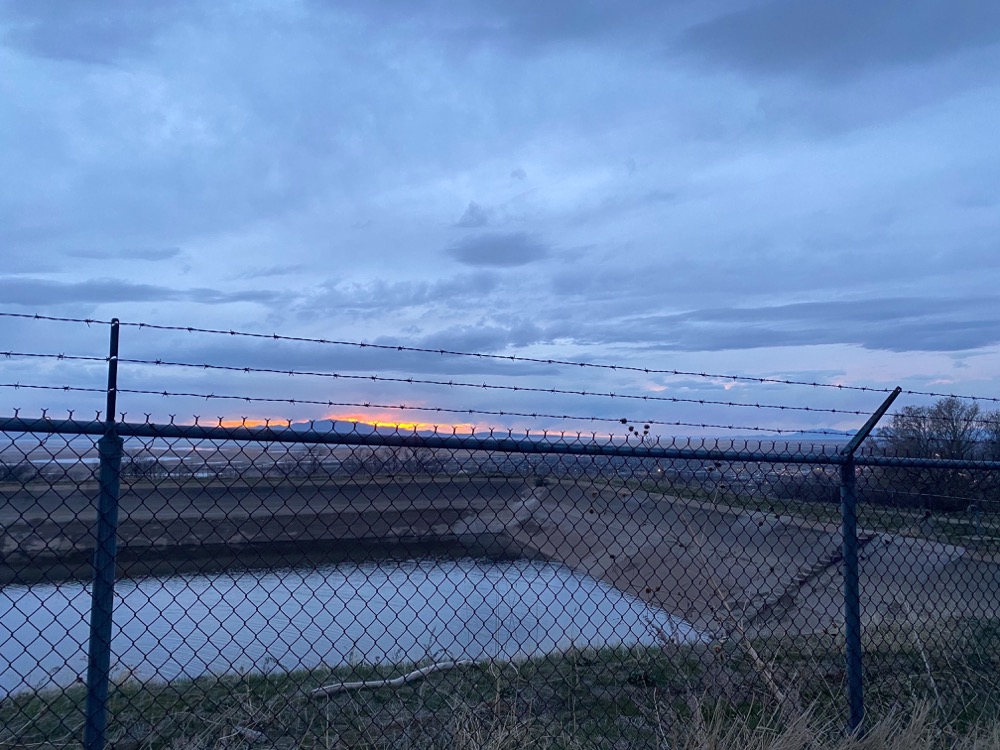





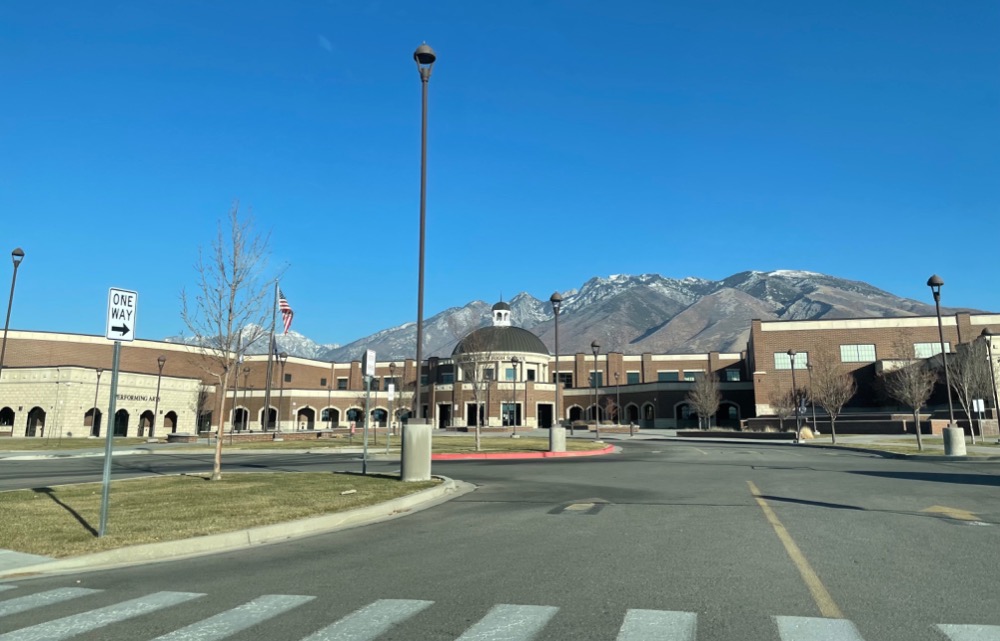
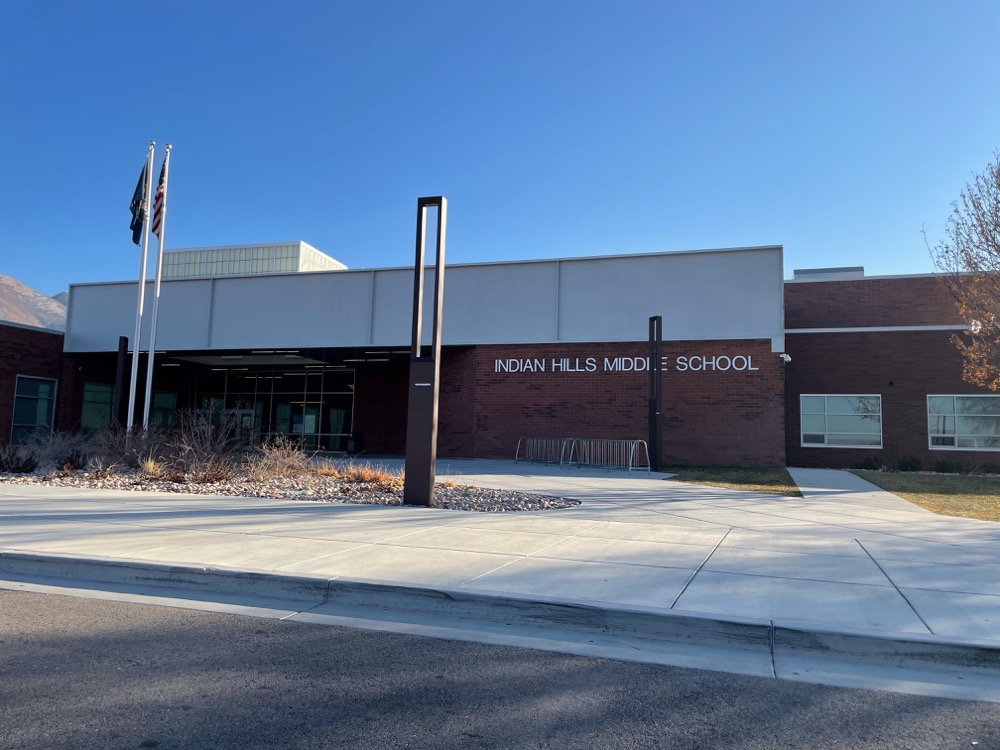


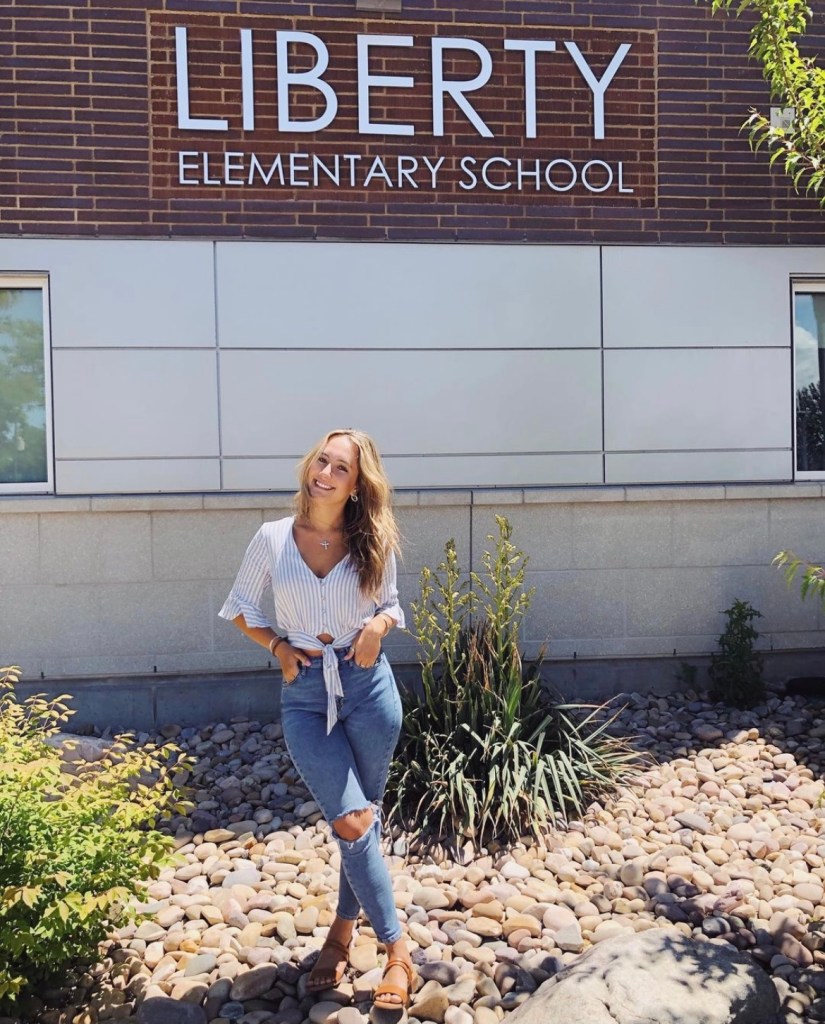


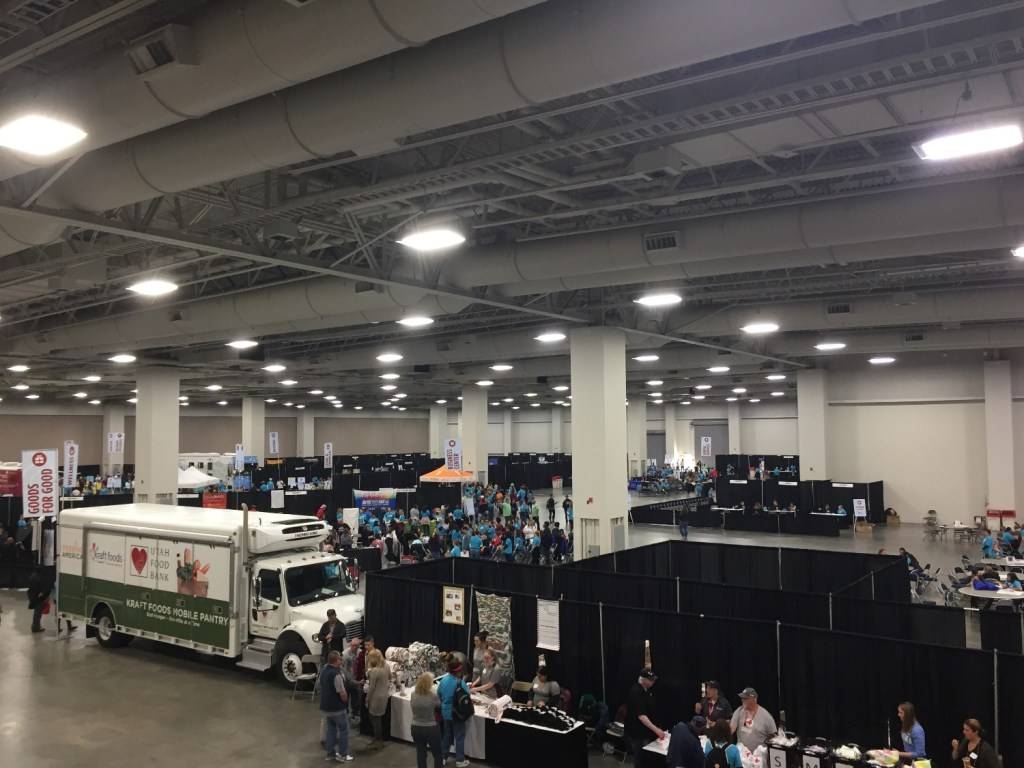
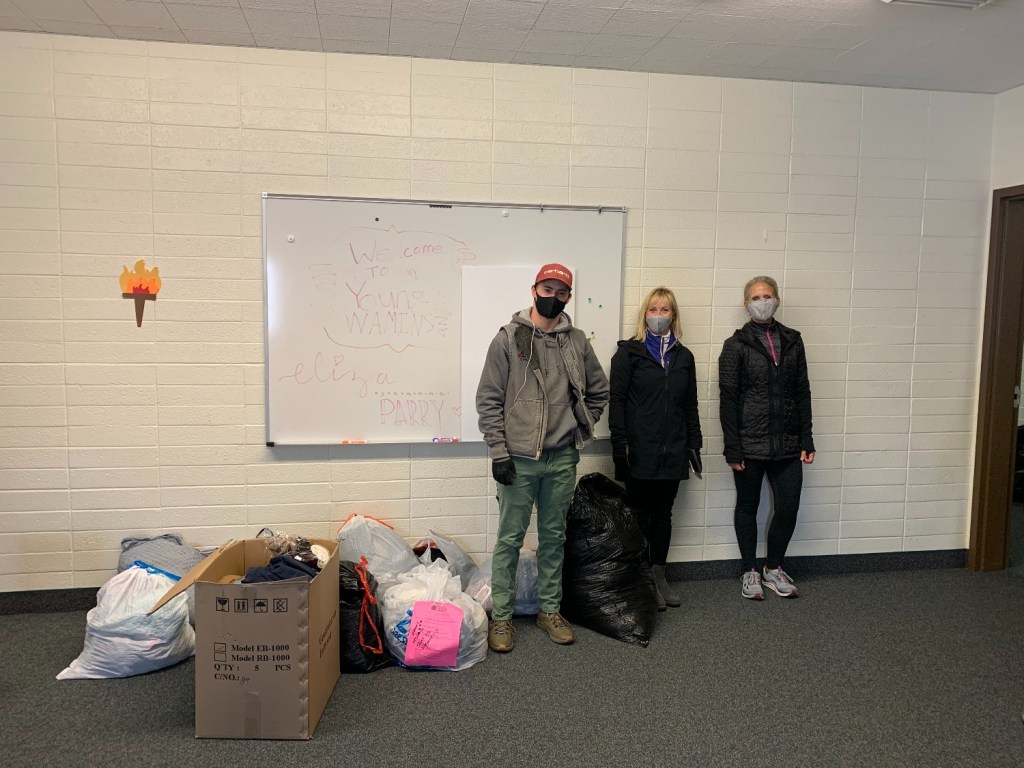
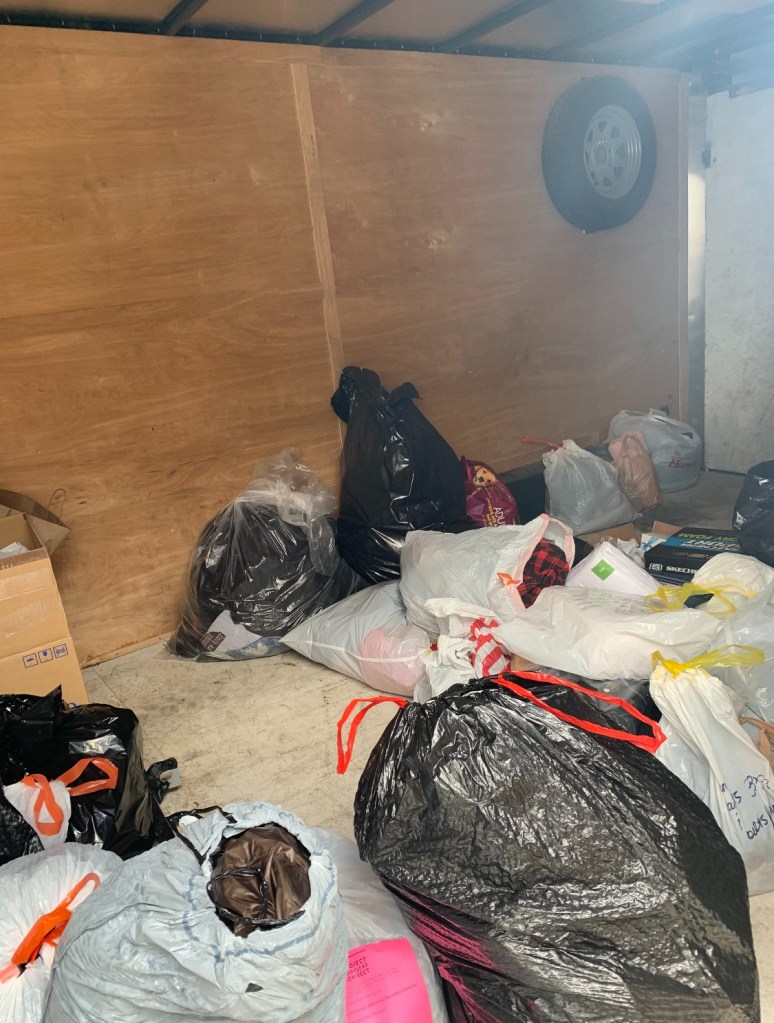
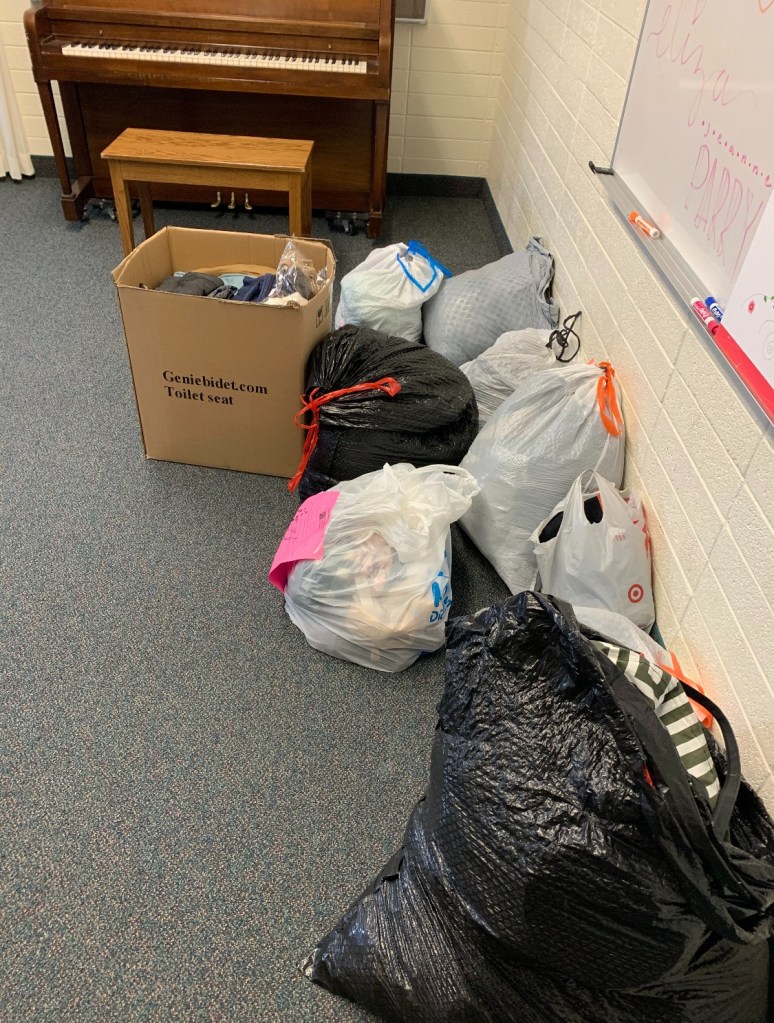





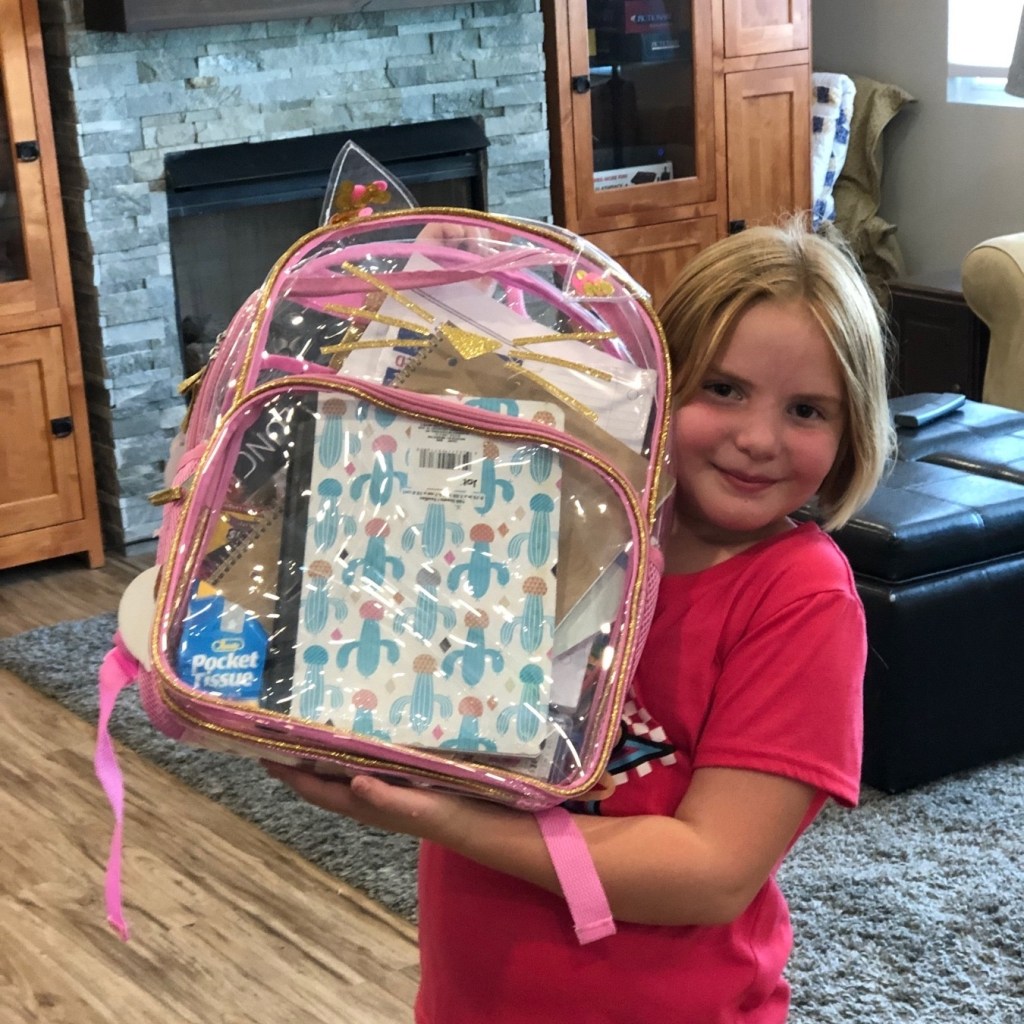















 U NewsWriting