Story by JONATHAN LITTLE
When it comes to collegiate sports, most individuals often envision football, basketball, or soccer.
These sports have been around for many years and sit comfortably at the top of American popularity. And in terms of financial success, most universities earn a considerable amount from these sports. At the University of Utah, most revenue is seen from these three sports.
Although these sports seem to dominate the athletic world, a new one is slowly making itself known. This game is known as esports.
Esports is defined as a multiplayer video game played competitively for spectators, typically by professional gamers. Esports has started exploding in popularity in recent years as competitive gaming is getting more attention.
While it seems that professional gaming could not have much money in it, recent tournaments have proven how much of a presence esports really is. According to Esports Charts, in 2019 a tournament titled “The International 2019” featured the video game “Dota 2” with a staggering prize pool of $34.3 million.
Furthermore, previous esports events have gotten more live viewers than the NBA finals, which is a testament to the popularity of competitive gaming.
This kind of success is seen worldwide with hundreds of different video games being played. Esports is also seeing attention in schools across the U.S. with major universities such as Ohio State, Boise State, UC-Boulder, University of Utah and many more adopting esports teams.

The Utah Entertainment Arts and Engineering program created the first varsity-level esports program from any school in a Power Five athletic conference.
Utah’s esports program has been growing rapidly in popularity, adopting popular video games Rocket League, Hearthstone, League of Legends, and Overwatch. The university also plans to add more games to its competitive portfolio in the near future.
Senior Ryan Murphy is a member of the Hearthstone club team at the U. Utah esports divides teams into varsity, junior varsity, and club levels for all games.
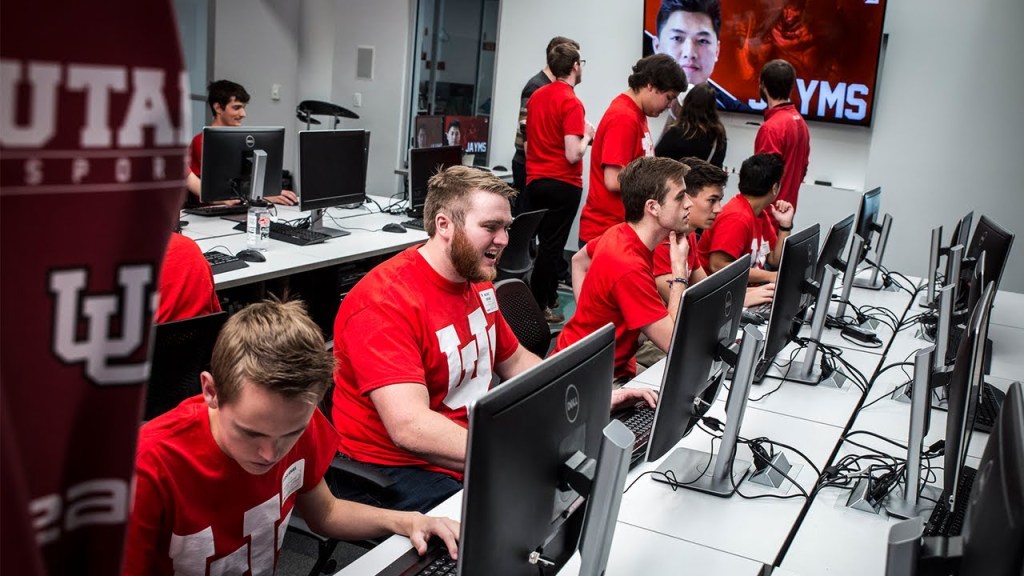
“It’s so awesome to be a part of something like this,” senior Ryan Murphy said. “I always played video games growing up and it has been such a great experience getting the chance to play for my school.”
The division of teams allows players to decide how competitively they want to play.
“It’s nice to be able to join the club team and have a chance to work my way up to a higher level,” Rocket League club player Casey Sturtevant said over Zoom. “This way I can be as competitive as I want and don’t necessarily have to dedicate a lot of time to it.”
With major support from the Entertainment Arts and Engineering program, Utah esports has given students the chance to play the games they love on a collegiate and club level.
Sturtevant explains he did not play sports growing up, and the inclusive environment the esports program has provided for students finally gave him the sense of belonging to a team that he has never had.
Not only does the esports program have a great environment for students, it also gives out thousands of dollars in scholarship money for certain students joining the team when they enter college.

League of Legends player Nick Riggio said the scholarship program for esports at the U is great and provides many players the opportunity to play the games they love and pursue a higher education.
Riggio has been a member of the League of Legends club team since he was a junior. He said it has been one of the most fun experiences in his college career.
“I honestly believe that professional esports will be as popular as professional football and soccer one day,” Riggio said in a Zoom interview. “So many kids growing up today play video games, and the competitive platform for gaming keeps growing with no end in sight.”











 what does it actually take to be a ski resort in Utah, a place with a prominent ski culture for locals and tourists?
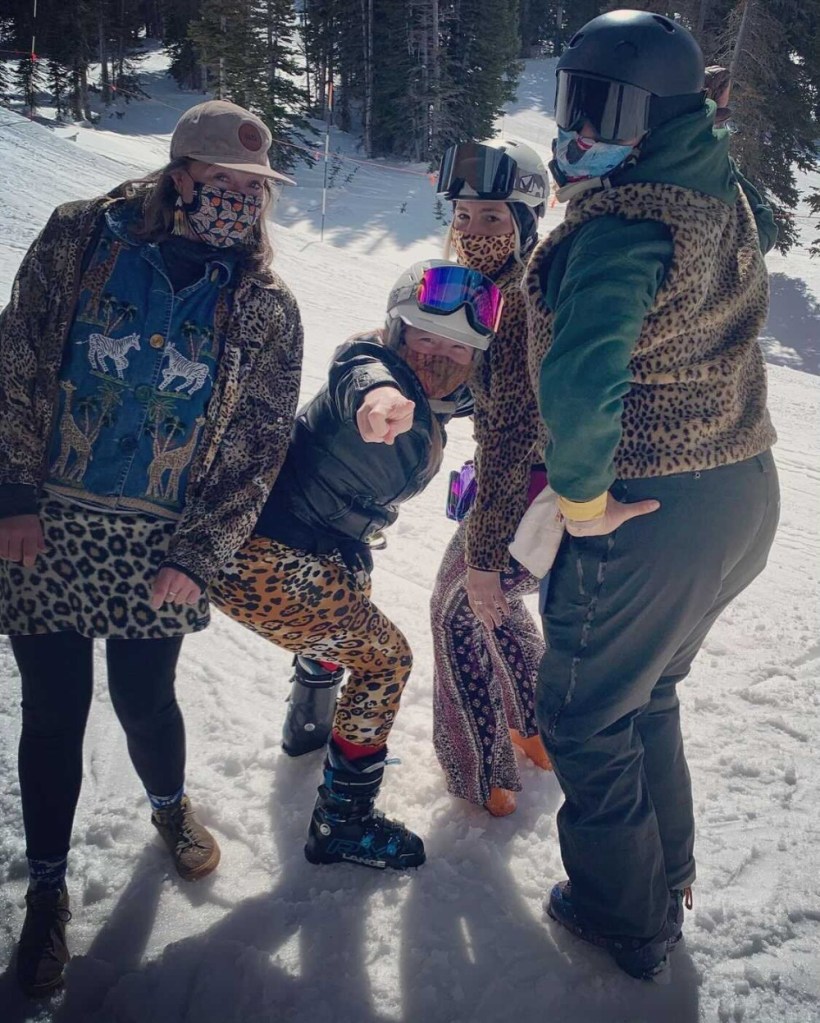
 Brighton is home to all degrees of skiers. From beginners who are learning for the first time on a bunny hill, like Explorer, to elite experts who shred down giant trails, like Great Western, all levels have a place on the mountain.



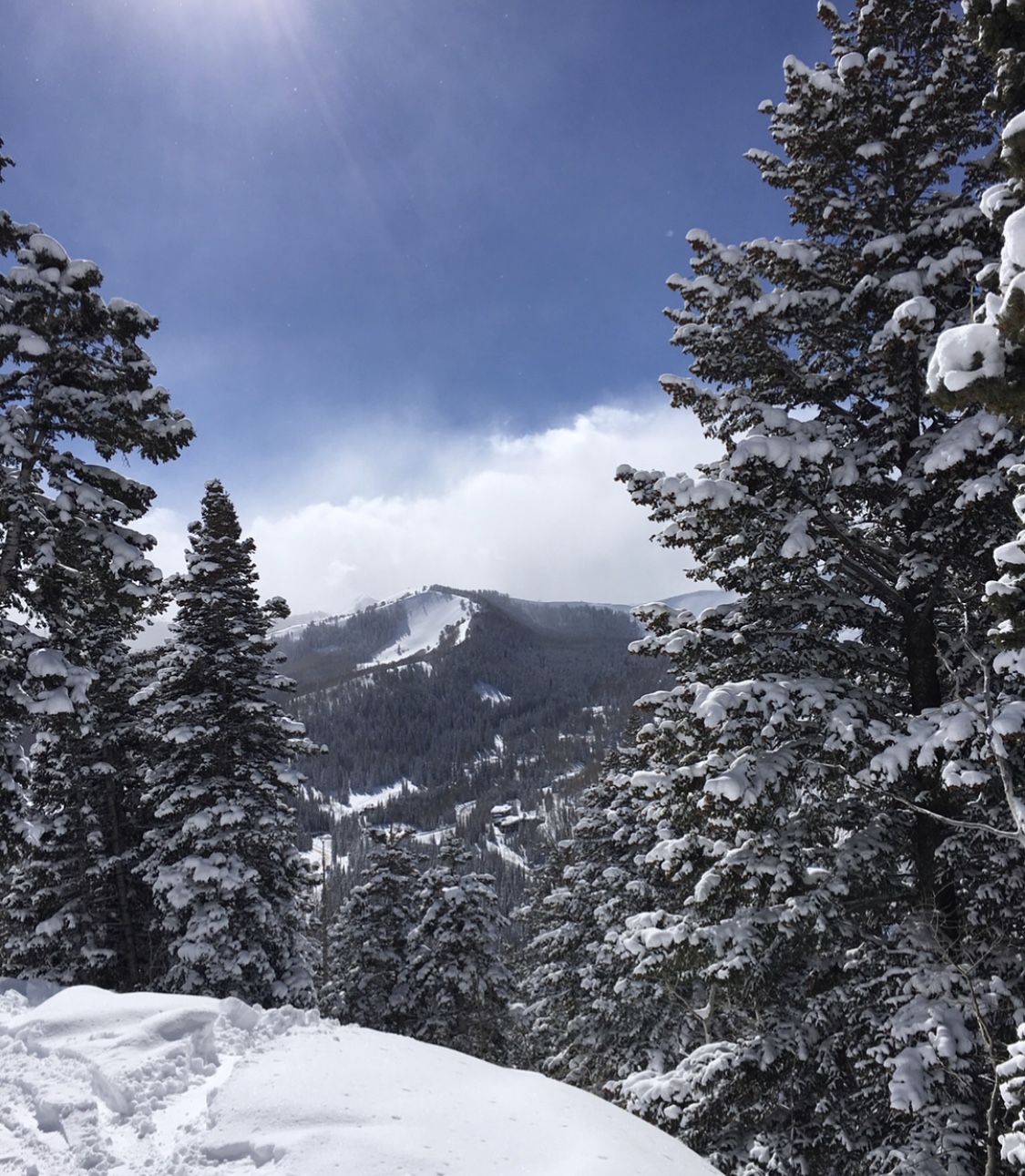

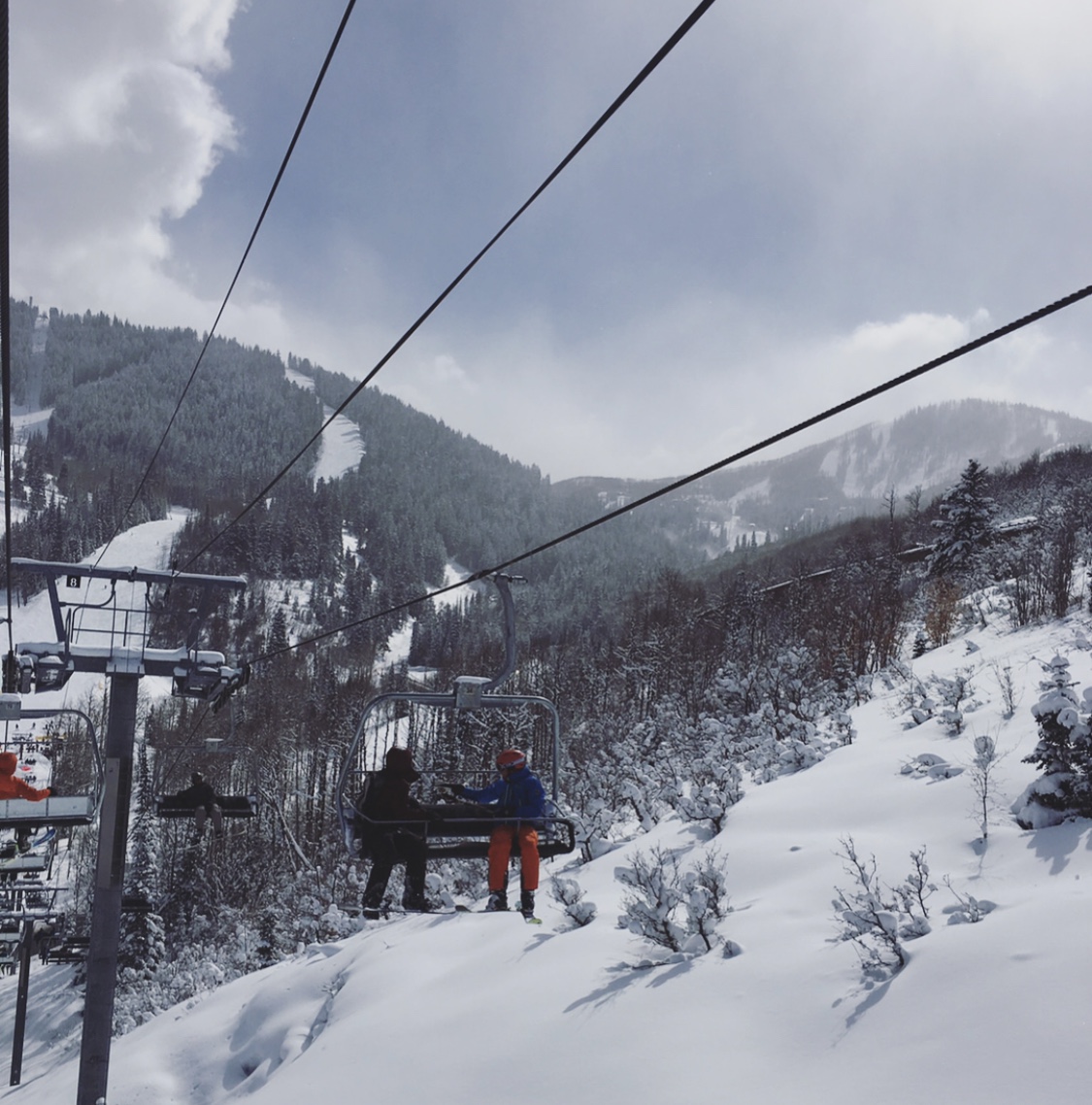

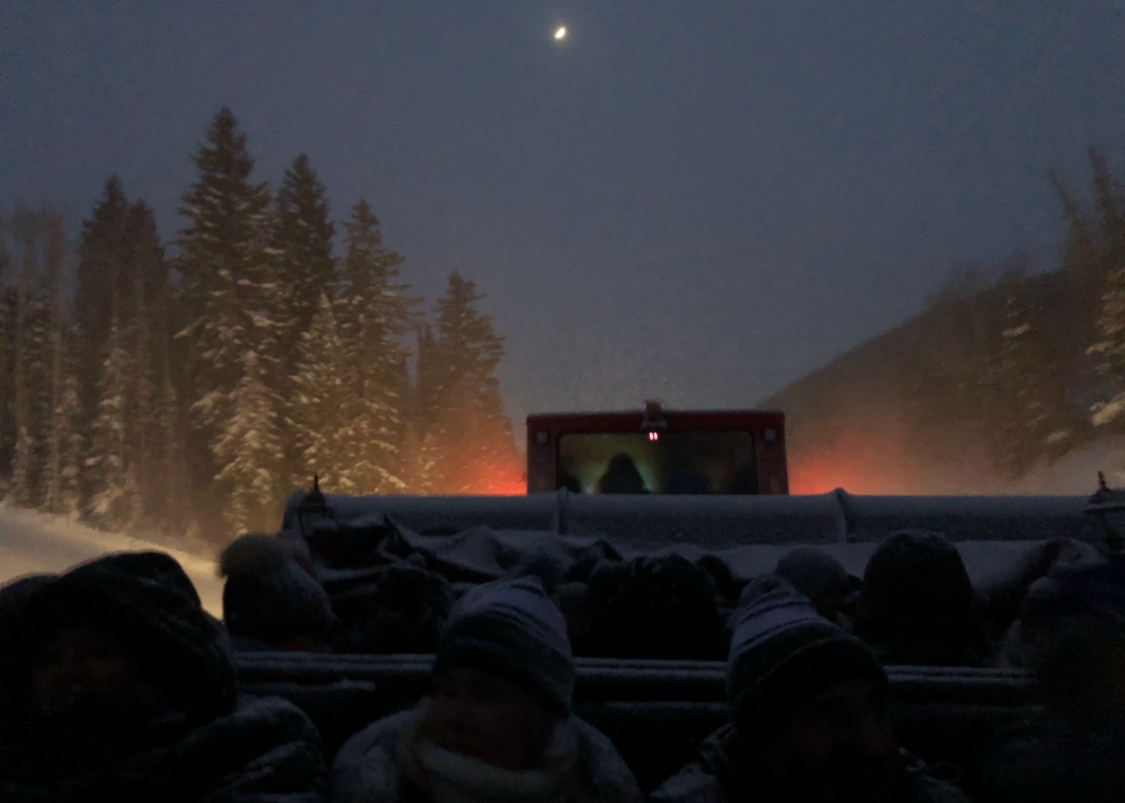





 Utah is a mecca for year-round outdoor activity. If you’re in the state, look out your window and you’ll see mountains. No? Drive 30 minutes in any direction and you’ll most likely find yourself in one of the many canyons the Wasatch Front offers. Utah’s five national parks and 14 ski resorts are the major driving force of the state’s tourism industry.
 Resorts, like Powder Mountain, are following in the footsteps of Whistler and Winter Park with a shift to a year-round resort. “I think a lot of people saw the success that Winter Park and Whistler were having. Whistler is now making more money on their summer activities than they do in the winter,” explains J.P. Goulet, Marketing Coordinator for Powder Mountain since 2008.
 Utah resorts have a combined total of over 29,000 skiable acres — roughly the size of 200 Disneyland’s — that cover some of the most beautiful parts of the state. “The biggest asset a resort has is its land,” explains Theresa Foxley, the Chief Executive Officer of the Economic Development Corporation of Utah, “maximize the land and you’ll maximize the profits.”















 U NewsWriting