Seeing Salt Lake City through light art and technology

By Eylül Yel

SALT LAKE CITY – Illuminate, Utah’s first light art projection and technology festival, took place on November 10 and 11 in downtown Salt Lake City.


According to the Utah Arts Alliance website, the free event for Utahns combines light art and technology. Artists presented their artwork by using the city’s architecture as a blank canvas for their projections. The purpose was to create a citywide museum that would illuminate Salt Lake City’s history and culture through art.


Illuminate used projection mapping – a technology to project light on any 3D object instead of merely using a flat screen. Projection mapping offers a new medium for artists to present their artwork. Illuminate is the first to use the technology in Utah.


I have been wanting to create an event like this in Salt Lake City for a few years as I have been observing light art festivals all around the globe.” said Derek Dyer, executive director of the Utah Arts Alliance and the producer of Illuminate. Dyer said that he had a few challenges along the way that prevented him from making Illuminate happen. Initially it was difficult gathering enough artists in Utah to create an event this big. Dyer started approaching artists during the Urban Arts Festival and eventually got enough participants.

Dyer’s next challenge was funding, but over the years technology has evolved and became more affordable and accessible. “Luckily, a lot of our artists have agreed to work under budget.” said Rio Wimmer, an employee for the Utah Arts Alliance. She explained that they have received a grant from the city and were also grateful for all the sponsors that helped them put the festival together. Of the twenty two sponsors, Mountain View Staging, the company responsible for setting up the technology and electricity for the event,  and Meru Interactive, which created the Illuminate AR app for the festival, were particularly helpful Wimmer said.


A big part of the Illuminate’s innovation , is an app called Illuminate AR said Dyer. Illuminate AR allowed everyone to interact with different artworks during the event using their phone.The app made it possible for participants to view additional artwork during the festival available only to those who use the app. The app also provided additional information on the artwork and it’s creator. Although the app was useful and provided an in depth information on the artworks showcased at the festival, unfortunately, during the event, the app proved difficult to navigate and had a technical bugs that prevented users from scanning markers on certain art pieces.


There were a variety of different activities for children in the Clark Planetarium, Discovery Gateway and Utah Film Center where kids could witness educational demonstrations. A separate part of the festival was held indoors at the Gateway. The Light Lounge, the largest part of the festival, participants met artists and learned more about the events creation. Several artists displayed their artwork and were available to visit with the public.


Two offsite locations were in an alleyway between the Utah Museum of Contemporary Art and Abravanel Hall and on Regent Street behind the Eccles Theater. The alleyway between the Utah Museum of Contemporary Art and Abravanel Hall showcased a demonstration regarding the short animation file, .gif, asking the question “what is contemporary art”. According to the Utah Arts Alliance, .gifs may have not been considered art in the past but now a combination of traditional color theory, the aesthetics of painting, and the use fractal mathematics make it possible for .gifs to be seen as art. The Eccles Theater was used project artwork on and there were food trucks and a DJ booth on site.


The Utah Arts Alliance website called Illuminate a festival where “artists working with technology and using light as their medium will use the city as their canvas and create projection mapped artwork, light art displays and exhibits for the community to enjoy and experience a first of its kind experience”. However, the initial Illuminate only used two buildings and it was only a small portion of the festival.


Illuminate was different than any other art festival Utahns have ever witnessed in the state. It was innovative and interactive. It was a good opportunity to see unique artworks by artists who use light and technology as their medium.


Though Utah Arts Alliance is a reputable organisation that organizes the majority of the art festivals in Utah, it was their first time creating a light art festival. Getting an event set up that involved this much power and technology was new to them. “There were little issues here and there, but overall we think the event was a success.” said Dyer on an interview after the event. “We were really pleased with the turnout, over twelve thousand people attended the festival.” said Dyer. According to Dyer, Illuminate will become an annual festival in Utah. He said that they will start contacting artists from an earlier date for next year in order to get more artists and artwork involved to expand the festival.

IMG_9692

More pictures can be found: Assets

Reflection Blog

Refection Blog – Tiffany Huyette

By Tiffany Huyette

In the beginning of pitching ideas for my enterprise story, I knew I wanted my story to be centered around athletics because that is where much of my knowledge and passion are found. I knew it would be easier to invest myself in a topic that I knew a lot about or had the motivation to learn more about, so I decided to write about UYSA. Growing up in Utah Youth Soccer was beneficial in teaching me life skills and in helping me learn to deal with adversity.

Upon gathering information for my story from previous coaches and the Utah Youth Soccer website, I was able to get in touch with individuals from the admin side of UYSA, and then eventually able to go to the new UYSA headquarters and interview a few different people. I reconnected with a previous soccer trainer who had coached girls and worked on the administrative side of UYSA.

I started my interviews asking each person their job title and how they had gotten to their current position. I asked about previous jobs and positions, and about their families. I went further into depth on the benefits of sports for adolescence. After the interviews, I reviewed my notes and was able to create a story. The best source for my story ended up being the man who had trained my team and other girls teams, and who also worked in administration for UYSA.

The struggles I faced were mostly in getting interviews and keeping my story to the word limit. How could I include the details I wanted and the details I needed, while also identifying the material I needed to take out? All while telling a story, intriguing readers, and fitting within the word limit.

I chose the focus of my story when I listened to my interviews and decided what would be interesting to readers of all types, and what wouldn’t be interesting. I also really wanted to tell a good story, so I had to find a point of view where I could story tell, while still being able to keep inline with my story topic. The writing process was lengthy, and the story ended up extensively exceeding the word limit. I then had to delete any parts that were not necessary, or that did not point back to the story pitch. It was a process of writing a story that would be both interesting and informative to readers, while at the same time telling a story well. I learned that I am much more of a story writer than a news writer but that it is beneficial to add brevity to whatever I’m writing.

Looking back, I am very surprised with where my story ended up going. It ended up being a feature story about a specific person and an organization. I learned much about UYSA through my interview with Bruce but also about Bruce as a person. I was able to attain life wisdom as well as coaching wisdom for young athletes and the parents of athletes.

For my story click here.


Reflections on Tinder

Annie Ricks

When I began thinking about story ideas, I knew from the get go that I wanted to write about something relevant in today’s society and something that I would enjoy reading. The idea of Tinder had been in my head for quite some time because I have been intrigued by its popularity in today’s society. Most everyone has used Tinder before or at least heard of it so I figured it would be a topic worth writing about. This topic of online dating apps comes up in many of my daily conversations with all types of people I meet, whether they have had negative or positive experiences with the app. Everyone has either has been or knows someone who has been successful on Tinder; however, everyone also knows someone who has had a bad experience with this app.

When I decided to write about Tinder, the first person who came to mind was my sorority sister, Erin. She has the best Tinder success story and she is very open when talking about it. She was very eager to be interviewed and was full of interesting comments about how she and her boyfriend met and how their relationship has evolved. I was surprised to learn how many people have had odd or funny encounters on Tinder. There were far more funny stories than creepy ones. I was also surprised that most individuals said they use Tinder just out of boredom or for a confidence boost, most aren’t even looking to date. The Tinder craze we see in our modern world doesn’t seem to stop growing however this raises concern for the safety of those engaging in the app. Many studies have shown that a rise in STD rates could be linked to the rise in online-dating users. Could this mean that the amount of online-dating users will start to decrease or will this craze keep on spiraling out of control? To read more about Tinder and this issue, click here.

Annie Ricks

About Annie: Annie Ricks is a Junior at the University of Utah currently studying Strategic Communications with an emphasis in Public Relations. She has a love for writing and planning, hence why her choice of career is a corporate level event planner. Her goal is to one day work for Vogue as an event planner but in the meantime is hoping to complete a PR internship somewhere on the East Coast. She has a passion for meeting new people, learning, and immersing herself in other cultures. So much that she lived in London for 4 months in 2017 and discovered that traveling is one of the most rewarding gifts you can offer yourself. In the summer of 2015, she travelled to Ecuador with Choice Humanitarian where she worked in less fortunate schools and visited local families. She is the Director of Philanthropy for her sorority and works closely with the Make a Wish Foundation. In fact, in the Fall 2017 semester, she helped raise $9,000 for the Make a Wish Foundation. Annie was also one of 35 collegiate women chosen to attend the Fall 2017 Flagship Session of the Nancy Walton Laurie Leadership Institute of Chi Omega where she was trained on how to be a resilient individual in the workplace, the home, and the community. She loves to give back wherever possible and she has a zest for life and making connections with people.

To read a sample of Annie’s writing, click here. To read her reflection blog, click here.

Processed with VSCO with a6 preset


Zane Law

zane

Originally from Newport Beach, CA, I decided to leave home and pursue a college degree. I am a third year student at the University of Utah, majoring in Strategic Communications. I currently maintain a GPA above 3.5 and plan to graduate in the Spring of 2019, heading into the field of marketing/advertising. This field has always held my interest because analyzing and appealing to the minds of consumers has felt like a game to me. I have enjoyed finding different ways to sell clothes online, pawn off my crappy lemonade as a kid, and make/sell stickers, so pursuing this on a more professional scale seemed like the right fit. Work should be something I enjoy, and I plan on doing just that!

While I do not mean to write for a career, I am still proud of the content I have produced thus far. Besides the Greek life piece, my portfolio contains a marketing campaign pitch that was accepted and used by All Seasons Resort Lodging, an article that analyses the top-grossing Korean film and its relationship to Japanese-South Korean tensions, and a story about college athletes’ battle for compensation.

In my free time I enjoy all things sports. I do not know whether I am proud of or disappointed in the fact that I have only missed the viewing of one NFL game this 2017 season. I was the running back at University High School in Irvine, CA, so football is a passion of mine. I also ran two years of track and was named MVP both years. I was extremely disappointed when I discovered that the U does not have a collegiate team. These two high school teams have shown me what teamwork and perseverance are, so using those in the workplace is something I look forward to.

Fraternities are a valuable resource for many college men

Reflection Blog

LinkedIn Profile


Tiffany Huyette

Ice cream tiff

I am a Sophomore at the University of Utah. I am also a U employee, working for a family practice clinic full of nurse practitioners, physician’s assistants, physicians, and resident physicians. For a while I had my heart set on becoming a dietitian, that dream has since changed, and I am settled as an undeclared student for now.

I was born and raised in Utah. For the longest time, I wanted to get out of Utah, but as I’ve grown older, I’ve begun to appreciate the mountains that are our backyard and the fall leaves that turn burnt orange.

I attended Jordan High School and grew up playing soccer. After playing soccer for 13 years and following a semester of college soccer, I gave up the soccer dream, and now play for fun in coed leagues. I enjoy distance running and pushing my mental barriers. Most days you can find me in a coffee shop, coffee in hand, doing homework or chatting with a friend. Other times you may find me in a nook somewhere, reading a novel of some sort. Gilmore Girls is my favorite TV series, and brownies and ice-cream are my go to dessert.

If your interested in reading my story click here.

If your interested in reading the reflections on my story click here.

For my LinkedIn profile click here.

Zane Law- Reflection Blog

The development of my story came about in a wave of ideas. I was, at first, stuck with only statistics. The data was a large amount that was both for and against the Greek system on college campuses. The statistics outlined things such as graduation rates, GPA within the system and outside of the system, numbers on rape, alcoholism, and more. I had put all of the information into my first draft, but was told to hold back on the information that I did not enjoy reporting. I had previously thought this to be bias and was trying to remove all side-taking from my writing, but was made aware that as long as I was not blatantly trying to promote Greek life, I was fine to report upon the positives. Telling of the benefits and stories of Greek life and its members was acceptable if the information was all factual and written clearly. It was still difficult to report on the information without being biased, as I was a Greek member for two years, but I believe the way I positioned my interview quotes and statistical information was fair.

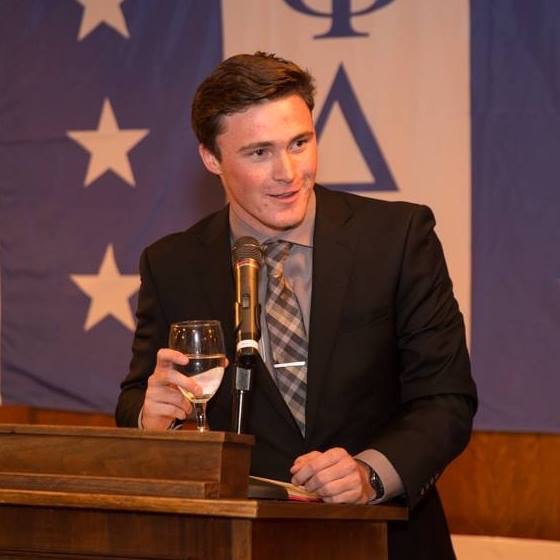
I then had to plan my attack on the interview process. My sources were among the University of Utah’s most involved Greek members, being able to show what the system is truly capable of. The IFC President, the YAF President, and a fraternity social chair were all very different positions, but all positions that they said would help them in the future. Whether it be on resumes or using the connections they made during their terms, they said their time spent was extremely valuable to them. That seemed like enough to warrant an interview. The YAF President stood out to me most, as he had just accomplished a feat that made Salt Lake City headlines. He was able to invite, with the help of alumni, Ben Shapiro to the U’s campus. This was a true testament to what fraternities and alumni support can accomplish.

During this process I truly learned to plan ahead before stepping into an interview. After my meetings with a few of the folks I was left wanting to ask o many more questions. If I had better prepared, then I could have gotten some additional information for my article. I also learned that having friends and family review your work is a priceless tool. They were able to make suggestions that I would not have thought to include. Never be afraid to ask others to read your things, kids!

Fraternities are a valuable resource for many college men

Zane Law- Bio

Meredith Searight

GarrettMeredithRecruit3 (1) 2

Meredith Searight is a sophomore at the University of Utah and is majoring in Strategic Communications. She currently works at the University of Utah Campus Store as a retail specialist. She has served as a sales associate for Monkees Boutique of Houston, was a social media and design assistant for Memorial Designs, and was a design assistant for The Owen Group Design Firm. Her primary interests include dance, swimming, snow skiing, photography, art, volunteering, interior design and graphic design.

Ms. Searight is a member of Delta Gamma, a fraternity at the University of Utah since September 2017. She is involved with their chapter’s philanthropy Friends for Sight and is certified to do vision screenings and to test for glaucoma with a tonometer. She dedicates her time generously to her local community and has even flown to Houston, TX to volunteer at the Hurricane Harvey relief shelters. When she’s not volunteering, she’s a student at the U and has a 3.6 GPA and is on the dean’s list.

Meredith Searight’s is certified in Adobe InDesign and has a strong understanding in the use of Photoshop and Illustrator; Microsoft Word, Excel and PowerPoint. She has a passion for sports and hopes to work in sports marketing and communications. She is particularly interested in working for snowboarding and ski companies. Ms. Searight has a strong work ethic, works well individually or in a team, is extremely well organized, and very creative. Meredith Searight plans on graduating in the year 2021 and will be off to accomplish great things in her career.

Zane Law- Enterprise Story

Fraternities are a valuable resource for many college men
Story by ZANE LAW

SALT LAKE CITY— College campuses across North America are hosts to hundreds of men’s fraternities. These fraternities are seen by many as misogynistic and cruel, while others view them as places to build character, a resume, and a social network. With over 6,000 chapter houses and millions of Greek members across North America, the benefits outweigh the negative image for the many joining the Greek system.

For generations, fraternities have been linked to the cultivation and development of successful men. Forty three of the United States’ 50 largest companies are run by fraternity men, with 85 percent of all Fortune 500 companies having a fraternity member CEO. According to the New Jersey Institute of Technology, Greek men also account for all but two United States presidents born since the formation of the first fraternity in 1825, 76 percent of all U.S. Congressmen and U.S. Senators, and all of the Apollo 11 astronauts.

University of Utah’s Interfraternity Council President, James Morrell, explained why he thinks this is far from coincidence. Morrell says Greek life has helped him in three core areas: networking, leadership, and academics. The people he has met through his fraternity, “have served as an invaluable resource in my life, helping me further my career options and improve my academics,” he says. A current member of Beta Theta Pi at the U, Morell says several alumni remain actively involved. Through alumni he has received several job opportunities and plenty of guidance.

Dillon Clark, recruitment chair of Phi Delta Theta and president of the Young Americans for Freedom organization at the U, also praised his relationships with alumni. While Clark has received internship opportunities from active alumni, he credited one event in particular to the help of his older “Phis”. “I would not have been able to bring Ben Shapiro to the U without the help of alumni,” he says. The Ben Shapiro event that Clark hosted in Salt Lake City received significant media attention and hundreds of attendees. With donations from alumni that believed in his efforts, Clark was able to pool together the tens of thousands of dollars needed for the event.

Both Clark’s and Morrell’s achievements are significant in terms of resume-building, but are only a few of the things that they believe their organizations can help people achieve. Both are happy that they have support from their fellow Greeks and feel as though these people and opportunities give them an edge.

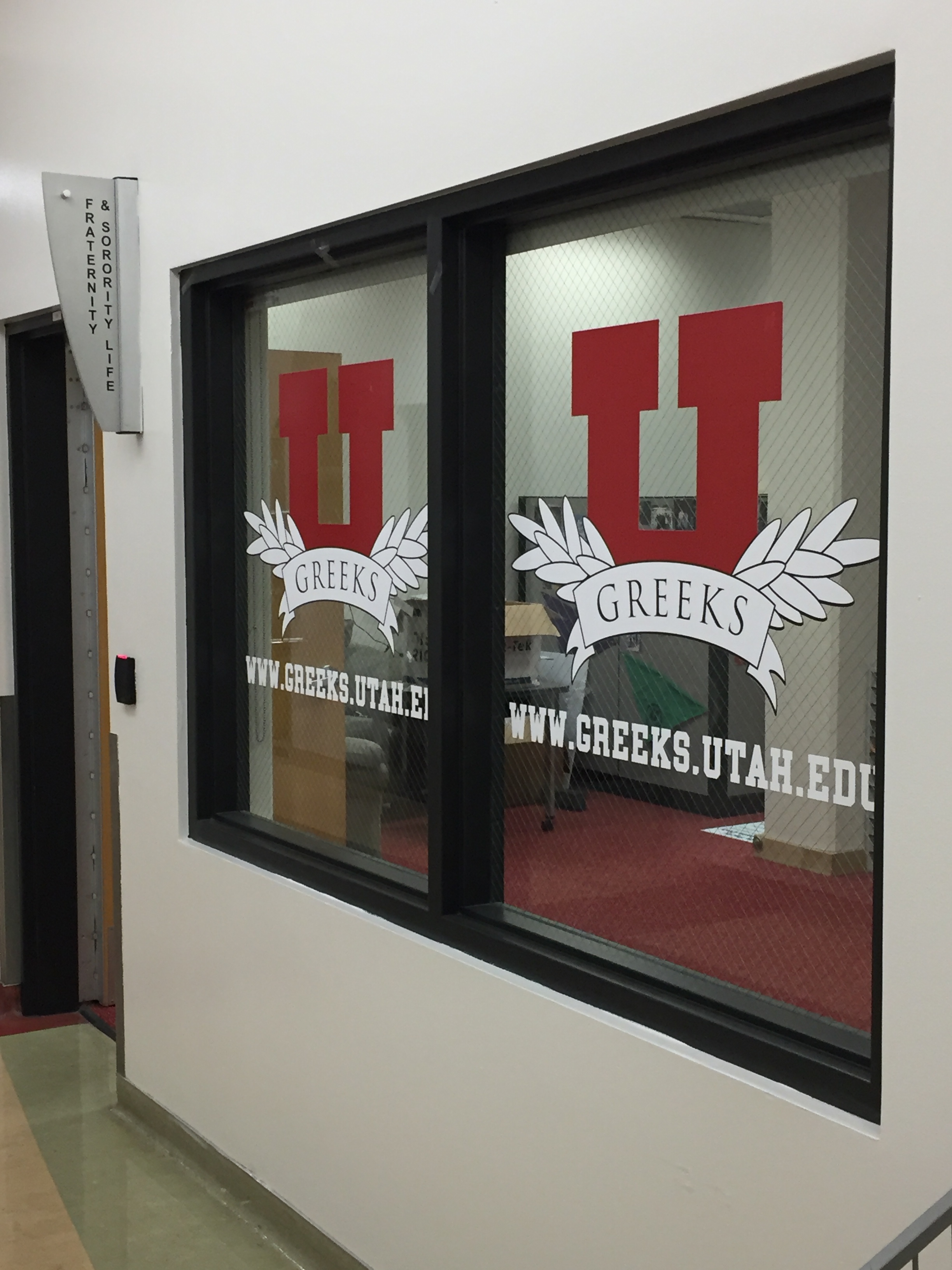
Fraternities help to hone interpersonal skills, time management, and team-building techniques, but are expensive and are not financially accessible to many. According to USA Today, the average cost per semester in a fraternity is $605, not including additional costs such as fines for absences, tardies, and other penalties. A national survey taken in 2014 by the Journal of Behavioral and Experimental Economics indicated that fraternity members are more likely to graduate on time, however, potentially saving thousands of dollars on tuition. Staff members at the U’s Fraternity and Sorority Life office even reported that that in 2016, 80 percent of all Greek life students had gone on to graduate, whereas 57 percent of non-Greek students had been able to do the same. Graduating at a faster rate translates to less tuition money spent, therefore negating much, if not all, of the per semester costs.

The North-American Interfraternity Conference also reports slightly higher Greek GPA’s than their non-Greek counterparts. Many fraternities and sororities require a minimum GPA to join and remain an active member, with chapters on the U’s campus requiring anywhere from 2.5 to 3.0. Fraternities even gather alumni donations to fund tutoring and “Chegg” accounts. Chegg is an online resource to help students with homework, rent textbooks, offers tutoring, and helps to identify scholarship and internship opportunities.

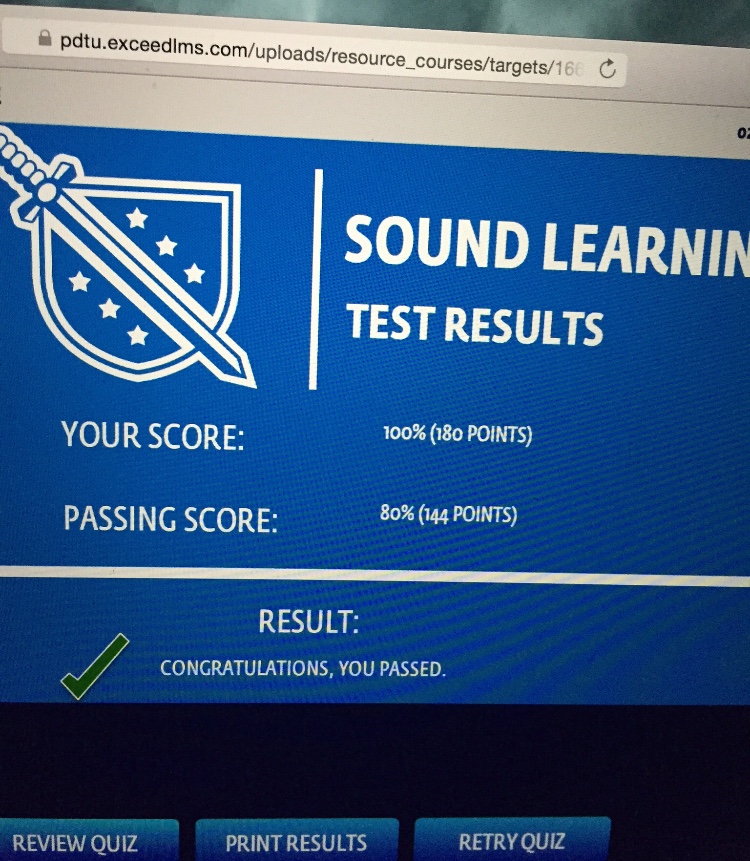
While such resources and encouragement are important, others benefit purely from having an organization that keeps them in check. “Our scholarship chairman is really on us about getting our big assignments in on time, constantly reminding us in meeting,” says Elliot Ansari, a third-year member of the Greek system. He and his fraternity brothers feel obligated to perform academically because one of their fraternity’s founding principles is “Sound Learning.”

Although personal development and social network expansion compose a large part of the good arising from Greek organizations, Greek members also participate in community service and philanthropic events. In the academic year of 2013-2014 alone, the North-American Interfraternity Conference reported four million hours of community service contributed by fraternity men. Making blankets for the homeless, writing letters to military personnel, and sorting goods at the local food bank are some of the events that the U’s fraternities and sororities do together, knocking out good deeds and creating fun memories with each other.

In terms of philanthropy, most fraternities “have two events per year and the money raised goes to a charity organization of our choice,” says Elliot Ansari. The University of Utah’s Sigma Chi chapter frequently makes the news, with the Huntsman Cancer Institute’s website praising them for raising $66,806.65 during the 2015/2016 school year.


To see the author’s thought process whilst writing this piece click here

For more about the author click here


Reflection Blog- Meredith Searight

While writing my enterprise story I developed my ideas by thinking of things that I’m passionate about that I knew were in Salt Lake City. When I was thinking of ideas I came across an article published in the Daily Utah Chronicle that sparked my interest. The article was about the lack of diversity in the Greek community at the University of Utah, so I started brainstorming based off of the topic of diversity in the U’s Greek system.

I located my sources by contacting the president of Delta Gamma who I knew would be a great starting point for gathering information. The Delta Gamma president was very helpful and sent me the contact list of the presidents on Greek row at the U. I was able to contact all of them and the majority of the presidents were very helpful in giving me information. I also contacted the Director of Sorority and Fraternity Life who was very helpful due to the fact she runs the whole Greek system at the U.

While writing my story, I did encounter one obstacle when trying to get all the sororities and fraternity’s presidents to email me back. In an effort to solve this problem, I simply just emailed a reminder to the presidents to try to gather more surveys. In order to make sense of all the information that I gathered, I set up my surveys in a certain format that fit the way I wanted to write my story. As for my writing process, at first it was a mess, but after getting guidance from my professor I was steered on the right path. I also learned that I do better when I narrow in my ideas for my article before I start writing.

By organizing my article in such a constructive way, I was able to get all the details I needed into the article. I was surprised to find out how respectful and welcoming the Greek system really is. I thought for sure I would hear one or two incidents of discrimination in the chapters but I never did. Overall I find myself more drawn to editorial writing after completing this assignment. I just had to struggle the whole time while writing not to stray to creating an editorial piece.


Plant-based dining takes root downtown

Story and photos by Allison Oligschlaeger

SALT LAKE CITY — To any unsuspecting omnivore, the new Cinnaholic on 700 East looks like any other bakery. The only hint to the contrary is the two-inch tall, health-department mandated “V” in the corner of the glass serving case, discretely indicating the restaurant’s open secret.

Everything at Cinnaholic, from its custom cinnamon rolls to its coffee offerings, is egg-, dairy- and gluten-free. The franchise’s menu is extensive, boasting 20 flavors of frosting and even more toppings. Each option is entirely vegan.

Not that their marketing strategy reflects that — “the whole franchise, we don’t lead with ‘vegan,’” says Kurtis Nielsen, owner of the recently-opened Salt Lake City location. “The concept plays to everyone.”

Nielsen, a veteran of the health food industry and recent adopter of the plant-based diet, attributes the strategy to the business’s reliance on walk-in customers.

“The vegans are going to come — they have limited options, as we all know,” Nielsen jokes.

Those with little exposure to vegan food may pass it up as less appealing, “substitute” fare, requiring a more tailored marketing approach than the store’s vegan customers.

Cinnaholic’s approach isn’t unique in the fast-growing industry of vegan and vegetarian restaurants. In fact, much of the sector’s recent growth can be attributed to a new focus on acquiring omnivorous customers.

“You don’t have to be vegan to appreciate the food,” says Joslyn Pust, duty manager at Zest Kitchen and Bar. “It’s more than salad, it’s more than fake meats. That’s the biggest thing we try to convey to people.”

Since opening in 2012, Zest has enticed brunchers and barhoppers of all dietary persuasions with upscale vegetarian entrees and a zany cocktail menu. Rather than pushing the meat-free angle, Zest’s marketing strategy focuses on the food’s organic sourcing and health benefits. In fact, Pust estimates only a third of the restaurant’s staff is vegetarian or vegan.

“I think that honestly speaks to how accessible our food is, and our drinks as well,” Pust says.

While Salt Lake City’s vegan establishments of yore — like Sage’s Cafe and Vertical Diner, opened by veteran restaurateur Ian Brandt in 1999 and 2007, respectively — focused on meeting existing demand for plant-based food, their newer counterparts are committed to extending it. The last five years have seen a veritable explosion of vegan and vegetarian restaurants, nearly all of which practice some degree of “omnivore outreach.”


This slideshow requires JavaScript.

Buds, a vegan sandwich shop popular with University of Utah students, was founded in 2012 in hopes of rehabilitating the meat-eating public’s opinions on veganism and vegan food.

“They just wanted to show people that you can get good food and it doesn’t have to contain animals or byproducts of animals,” says Buds employee Emma Broadbent. “It doesn’t have to suck, you know? Vegans don’t just eat salad.”

Buds founders Alex and Roxy expanded their cruelty-free restaurant network in September with BoltCutter, a South-American inspired restaurant and bar, and MONKEYWRENCH, an adjacent dairy-free ice cream and espresso shop. MONKEYWRENCH barista Molly Jager, a senior at the U, said the shop is rebounding from a quiet opening as Gallivan Avenue-area professionals discover MONKEYWRENCH’s morning coffee offerings. The store’s variety of dairy-free milk and cream options make it particularly popular with lactose-intolerant customers, Jager said.

Unlike the staff at Zest, the crews at both MONKEYWRENCH and Buds are made up entirely of herbivores. Jager is the only vegetarian employee at MONKEYWRENCH; the rest of her coworkers are vegan.

“It’s interesting and cool being around a group of people who are really passionate about what they work with,” Jager says. “Everyone is very dedicated to it and very vocal about it and it’s cool to see that excitement.”

Additional recent newcomers include dinner restaurants Seasons Plant Based Bistro and Veggie House, both 100% vegan. Seasons positions itself as upscale Italian dining, while Veggie House purports to meld the best of “fast” Chinese, Thai and Vietnamese food.

“We’re proud to watch our city’s taste buds continually expand,” said Nick Como, Director of Communication for the Downtown Alliance. “The opening of several new vegan restaurants downtown proves downtown is truly for everyone and has something for every taste.”

While the recent crush of such establishments may seem sudden, Pust says it’s been a long time coming.

“The community has grown exponentially just since I’ve worked at Zest,” she says. “In the past two years it’s exploded.”

Jager attributes some of the community’s rapid growth to trendiness — “It’s kind of an Instagram thing now,” she says — as well as to an increased cultural focus on physical and environmental health, which she says “goes hand-in-hand” with eating less meat.

Nielsen says the rate at which people are adopting veganism and vegetarianism is perfect for entrepreneurs looking to capitalize on the craze. While flashier food trends like gluten-free and low-carb were quickly adopted by corporate giants, the relative slow burn of plant-based diets allows smaller producers and restaurateurs to dominate the scene, he says.

While Nielsen does believe the mainstreaming of veganism is inevitable, he hopes it’s a while off.

“It’s going to happen, but I hope it happens slow, because it’s fun as a smaller player to be able to get into something like this and be successful,” he says. “For example, if Cinnabon was doing this, I wouldn’t have the opportunity.”

Nielsen is optimistic about Cinnaholic’s future in Salt Lake City.

“I think it’s a great market for it,” he says. “We’re off to a roaring start.”


(Read Allison’s reflection blog about this story here.)

Enterprise story reflection blog

By Allison Oligschlaeger

When I set out to write my enterprise story, I set out to learn something. I didn’t want to write a story that I knew the ending to — I wanted to discover new truths through my reporting. As such, my list of potential topics looked more like a list of questions. I considered covering the snafu between the Salt Lake City Police Department and University Hospital nurse Alex Wubbels, but worried that local and national media had already canvassed the issue; I put out feelers for a story on the Antifa movement in Utah but struggled to find sources willing to go on record. Ultimately, the biggest unanswered question left on my list was, why have I seen so many new vegan restaurants popping up in Salt Lake City lately?

Just to be clear, I’m not a vegan — I’m not even a vegetarian. But I am curious to a fault. I thought this story posed a great opportunity to get nosey with local business owners (and eat some delicious food while I was at it). I chose four vegan establishments to interview, including two that have opened in the last month and two that have been slinging veggies since 2012.

The biggest ethical challenge I faced was balancing the business’s perspectives with outside insight. As my news writing professor pointed out, business owners are unlikely to tell media professionals if or when business is slow, and I wanted to make sure they weren’t overstating the success of the vegan trend. In hopes of mitigating this I reached out to the Salt Lake City Chamber of Commerce, who directed me to the Downtown Alliance. I’m not sure that their media spokesperson did much to mitigate the business owners’ enthusiasm — they gave a glowing comment on the growth of the vegan dining industry and how great it is for SLC — but I feel better knowing that an outside source could corroborate their claims.

Ultimately, I really enjoyed this foray into business reporting and appreciated the opportunity to ask questions about a personal curiosity. I think entering the reporting process without many preconceived positions on the topic allowed me to be open to many possible explanations and truths, and I hope it reduced the bias in my reporting. Best of all, I’ve found my new favorite dessert at the dairy-free bakery Cinnaholic!

Allison Oligschlaeger

IMG_6430

Allison Oligschlaeger is a freelance journalist and Communications student at the University of Utah. They began their newswriting career in high school with a weekly column for the “Teen’s Ink” section of The Davis County Clipper. Allison’s work has since appeared in The Deseret News, Salt Lake City Weekly and The Daily Utah Chronicle. They received a regional Mark of Excellence award from the Society of Professional Journalists for their coverage of the University of Utah fight song debate in 2014. Allison enjoys skiing, personal nonfiction and all things peanut butter.

You can read Allison’s enterprise story on the growth of Salt Lake City’s vegan dining scene here, their reflections on the writing process here, and their linkedin bio here.

The University of Utah’s Greek system welcomes students from all walks of life.

Story by MEREDITH SEARIGHT

SALT LAKE CITY — The last few years have been marred by racial issues, divisions, and strain in the United States. These concerns have extended to the Greek system at the University of Utah, where a lack of diversity that has been characterized as racial bias.

Here at the University of Utah, only 5 percent of the student body are members of the Greek community, which is approximately 1,500 out of 31,592 students. The nature of a small Greek system which lacks diversity has raised some concern, which Colby Judd, the president of Delta Sigma Phi, recognizes. “It is challenging to help members from diverse backgrounds feel comfortable in the Greek system,” he says, adding that there have been issues in the past where members have left due to a lack of diversity in the chapter. Judd, along with the rest of the chapter understands that changes need to be made, and has arranged for members of the Bennion Center to speak to them about diversity and equality.

Jess Turuc, Director of Sorority and Fraternity Life at the U has worked at three other collegiate institutions prior to Utah. This is the first school that she’s worked in that requires their students to take a diversity class, she says. “Essentially, this is the University of Utah and we are a very white institution. Not by choice, but by proximity and where we are,” says Turuc. She has not experienced any issues with regards to diversity in the Greek community at the U and finds the students in the community to be “respectful, mature, friendly, and accepting of all students from every culture and race.” Moreover, Turuc says that diversity is welcomed, and the Greek Council has partnered in the past with the Center for Ethnic Student Affairs on campus to learn more about what it can do to grow and improve the Greek experience for ethnic students.

According to Forbes Magazine’s “America’s Top Colleges,” the University of Utah is 68 percent white, 10 percent Hispanic, 8 percent non-resident aliens, 5 percent Asian, and 9 percent “other.” Colter Merritt, the Sigma Phi Epsilon president and a senior at the U, is well aware of these statistics. “This means that the Greek Community, although seeking a diverse population, struggles to generate a diverse base of recruits each year because we simply don’t have a large enough pool of non-white students to recruit.”

When you are given such a massive white population it can be difficult to recruit the smaller percentages that aren’t white, Merritt says. When Sigma Phi Epsilon does their recruiting, they aren’t looking for or seeking out diversity, rather, the “objective is to get the best possible members based off of values, academic achievement, community involvement, etc.,” he continues.

IMG_1295

University of Utah Delta Gamma house taken on Monday, November 13, 2017, in Salt Lake City, UT (Photo by Meredith Searight) Greek Slideshow

Quin Martz, the president of Delta Gamma says that she and her chapter have sought to promote diversity and reduce bias. “Delta Gamma fosters an environment of inclusivity and openness. Our sisterhood is made up of women from all walks of life” she says. Everyone has a different background and a different story. We recruit members based on the values of our sisterhood. We are accepting of all women in our chapter, of all individuals on Greek Row and at the University.” Along with Delta Gamma’s open and accepting members and recruiting process, the U’s Greek community also includes a Multicultural Community. “The Greek community is made up of the Panhellenic Council, Interfraternal Council, and the Multicultural Greek Community,” says Martz. “These councils work together to bond in brotherhood and sisterhood, and to set goals to improve each semester. Delta Gamma has partnered with Multicultural organizations for Greek Week for many years, and we always have so much fun celebrating the Greek Community and participating in healthy competition. When we come together, we can accomplish great things.”

According to Turuc, in a time of such negativity with issues regarding race on Utah’s campus, the U’s Greek system has managed to not let it bleed over to their community. When it comes to the chapter of Chi Omega at the U their ethnic makeup consists of, 110 Caucasian’s, three Hispanic’s, three African American’s, five Asian’s, and 11 members that identify as other. “Diversity allows us to have multiple perspectives and use them to enrich our peers around us. It makes us more accepting and communicative”, says Kira Wachter, president of Chi Omega. Even with a predominately white chapter, their president makes strides to grow their member’s perceptions of life. Amidst all the racial issues, division, and strain in the United States; the University of Utah’s Greek system strives in both the words they speak and in their deeds to be a safe, welcoming, and accepting place for anyone who wants to join.

Reflection Questions


You can be the “somebody” who can help make a difference in animal rescue transportation

Story and slideshow by LORI KUNZ

Trachelle “Chelle” Hilton-King founded Rescue Animals Needing Transportation (RANT) in September 2017 with support from her husband Berk King. RANT is the first animal rescue organization in Utah specifically for the transportation of animals from shelters to rescue centers and foster homes.

The idea came to her when she was taking a dog to a rescue center. Chelle realized there were no such organized services and saw a critical need for transportation in rural areas such as Roosevelt and Vernal and along the Wasatch Front. She proposed the idea to Berk and immediately started the approval process with the State of Utah. It is a 501(c)(3) foundation group.

RANT, based in Syracuse, Utah, is a natural outgrowth of Chelle’s passion for helping animals. She and Berk foster hospice care dogs, which is end-of-life care. They currently have a 14- or 15-year-old foster they named Dixie Denver who is a lab-mix with dementia. Families don’t want old dogs – they want puppies, she said. There is no better person than Chelle to take in an elderly dog to love until its last day because she understands that the simplest act of kindness can change a life. Because her love of animals is immense she started volunteering with groups that distribute pet supplies to individuals with pets who are experiencing homelessness and to low-income pet owners.

Chelle is the owner and operator of “Chelle’s Floral and Gift” located in Clearfield, Utah. While she runs her business she will also run RANT. Most animal rescue volunteers and founders have jobs outside their organization. “RANT isn’t a project, it’s a calling,” she said. Her motto for RANT is “Saved In Time” (SIT).

Saving an animal can be a complicated process involving rescue centers, animal control officers, animal shelters, animal-foster homes and volunteers.

Rescue centers are organizations that help find homes for misplaced, abandoned and unwanted animals by posting images of them on their website and on social media. Centers rescue animals from shelters and put them into foster homes and up for adoption.

Reputable centers will make a lifetime commitment to the animals they rescue. The process they follow is to pay for the animals’ care, including immunization shots and spaying or neutering. If an animal is returned to a shelter or not wanted the center will take it back.

Some centers have relationships with animal control officers and shelter workers who monitor animals’ “due-out” dates, the date they need to exit the shelter or face possible euthanasia. This gives centers the heads-up to rescue the animal before their due-out date. Rescue centers never euthanize.

Centers have their dedicated foster homes they rely on to step in and help with the placement of animals. Centers need more people to open their homes as a foster home for animals.

Chelle said every time a foster steps up, they save two animals’ lives, the animal that was taken and the replacement animal at the shelter.

Anyone interested in adopting can visit animals in an animal foster home, rescue center and at adoption events in places like PetSmart and Petco, which donate space each week to centers to hold adoption events.

Shelters are establishments run by cities and counties that take in strays and owner-surrendered animals. They adopt out as many animals as possible, but when they are full they have to euthanize for space.

A lot of the shelter workers are pro-life and pro-rescue. They network their own animals when they start to reach capacity and will reach out to centers for assistance. Some shelter workers aren’t pro-life or pro-rescue, for those shelters there are volunteers.

“Volunteers are the lifeline of all rescues,” Chelle said. There is a network of volunteers that monitors a shelter’s capacity, post animals’ needs such as “due-out” dates, injuries and special needs.

Social media play a role in animal rescue. Shelter workers, rescue centers and foster homes all post online on their respective website and Facebook page.

One of the biggest parts of rescue is someone seeing an animal on Facebook from pages such as Utah Shelter and Rescue Network, Animal Rescue Networking Group of Utah, Utah Animals ONLY or petfinder and wanting to foster or adopt, except they live hundreds of miles from the shelter where the animal is being held.

The next step is transport for the animal(s) to the area where the rescue center and foster home are located. This is when RANT will get involved, giving them 48-72 hours, depending on the shelter, to get the animal(s) out and transported.

Most transports are arranged on Facebook via posts and Messenger, it is the quickest and easiest way for multiple people to respond and offer to help said Chelle.

RANT will help free up more space in shelters by arranging a driver and a vehicle equipped with items that will be needed for transportation i.e., leash, animal carrier, food.

Some transports can be short, between a shelter and a rescue in the valley. Others can be long and can be broken up in relays or legs. In November 2017 a dog was posted on The Bridge needing a ride from West Jordan Animal Shelter to Meridian Canine Rescue in Idaho by Nov. 18. Volunteers stepped up and had the dog delivered on time.

There are two main websites for posting animals who need transporting: The Bridge and Utah Transport. There are also national organization groups: Pilots-N-Paws, Operation Roger and Kindred Hearts Transportation Connection.

Ogden resident Michelle Holbrook started The Bridge, an animal transportation page, on Facebook in 2015. It has over 700 members. Holbrook met Chelle in November 2015 while helping to transport dogs to a rescue center in Idaho. She now serves on RANT’s five-person board of directors.

“RANT is a fabulous idea because it will give us the opportunity to pull large numbers of [animals] from overcrowded or rural shelters and get them somewhere where they have a better chance at adoption,” she said in an email interview. “RANT will be a great addition [to The Bridge] because a lot of the time we have drivers to move the [animals] but they may not have large enough vehicles or the gas money.”

Holbrook said that a lot of the time when a transport occurs the costs add up by renting a van, paying mileage and finding a driver.

The Kings started fundraising for RANT in November 2017 and anticipate raising enough money to buy a couple of vans. They have transported several animals for RANT using their personal vehicles.

Their goal is to transport between Clearfield and Southern Utah, a distance of over 300 miles, once a week to move as many animals as possible. When they have vehicles available all transportation from rural areas will also be weekly, with distances averaging 100 miles.

They will train volunteers on how to transport an animal while keeping the animal safe. They are looking for volunteers who are available to transport and who love animals.

Chelle said there are all kinds of groups who work together to rescue animals, but there is not a transport group for Utah where one is needed. “I’m somebody,” she says.


This slideshow requires JavaScript.

Lori Kunz

MY STORY:

MY BLOG:

My story on Rescue Animals Needing Transportation (RANT) found me. I was scrolling through Facebook one morning waiting for the train. A childhood friend had posted about a new animal rescue organization she had founded. After reading her post, I knew that my story had to be about her and her foundation.

The sources for my story came with the organization. It couldn’t have worked out more perfectly.

The founder was the best source for my story. Her passion was inspirational and I wanted to communicate that in my story. I hope that everyone who reads my story will find value in it.

I fortunately did not encounter many obstacles that affected the story.

After many, many drafts and reading and re-reading my story, I started to see a flow of how the information should be written and told.

The writing process was slow at first. It gained momentum and flowed out of me. I learned that when I put my energy into writing it turns out to be something I can be proud of.

There was more detail than the story had room for.

I was surprised that after the first interview, the other two were easy. I wasn’t personally invested and I didn’t have to be. The story wasn’t about me. The story was about them and their passion for animal rescue transportation. I had to tell it in a way that they would make them proud.

ABOUT ME:

Lori Kunz has worked in real estate for over 25 years. She began working in residential mortgage. After a divorce she raised her daughter and found that working in residential and commercial mortgage provided her with a stable salary and benefits.

After her daughter was grown and had moved out, Lori made the decision to go back to school for a Bachelor of Science in Communication. Previously she graduated from Snow College with an associate degree.

Today she is employed at a commercial mortgage company and is a junior at the University of Utah as a part-time student. She hopes to graduate in 2020.

The Mormon mission experience

Story and slideshow by ZACH DAVIS

The tradition of serving a mission for the Church of Jesus Christ of Latter-day Saints (or Mormon church) is rooted in the very beginning of the religion in 1830.

The first Mormon missionary to be called was the Prophet Joseph Smith’s younger brother Samuel Smith.

Following Samuel Smith’s call other leaders of the Mormon church were called, including Oliver Cowdery, Parley P. Pratt, Peter Whitmer Jr. and Ziba Peterson, who were tasked with teaching the American Indians.

Mormon missionaries were the leaders of the church who preached about their religion across North America.

Later the ones serving missions would shift to the younger members who would be called by the leaders of the Mormon church.

The first mission overseas in the British Isles was fulfilled by Heber C. Kimball and Orson Hyde in 1837. This led to many converts to the religion immigrating to the United States during the 1840s.

During the 1850s Mormon missionaries expanded beyond the British Isles to countries such as Chile, France, Germany, India, Italy, South Africa and Switzerland.

During this time men had served as Mormon missionaries.

Then in 1898, the first female missionaries, Inez Knight and Lucy Jane Brimhall, were called to serve.

Now the missionary force is comprised of single men and women between the ages of 18 and 25 serving in 422 missions around the world. Mormon missions are two years for men and one and a half years for women.

Preparing for a Mission

The process of being called as a missionary begins with the individual’s desire to serve a mission. If they so desire, they will meet with their bishop (leader of the congregation) to further assess if they are ready to serve.

Individuals must be physically capable of serving, mentally stable, spiritually prepared (believe in what they are preaching), and be morally clean.

Preparing to Serve in 1965

“As I was growing up, I attended all of the church meetings, and in high school they had a program called release time (seminary) in which a person could leave campus and for one hour study the teachings of their now particular religious beliefs, and get credit towards it being one of the student’s elective studies. I took advantage of this for gaining more knowledge of the LDS Church,” Ron Davis said.

When Ron graduated high school, he was unable to leave directly for his mission. Instead he worked for three years to save up enough money to finance his two-year mission.

After working with his bishop, Ron submitted his application to serve as a missionary. This led to him being assigned to the North Scottish Mission in Scotland.

He left for the Missionary Training Center (MTC) located in Provo, Utah, in February 1965, just a month before his 21st birthday.

Serving in 1997

Throughout her life Ron Davis’s daughter-in-law, Jemela Davis, knew that she wanted to serve a mission for the Mormon church. To prepare to serve she participated in the four-year seminary program and took missionary preparation courses offered by the Mormon church through the institutes of religion program.

Jemela was able to finance her mission by working and saving as much as she could. Her parents and close friends financed the rest.

After successfully completing her application for missionary service in 1997 she was assigned to the Chile Antofagasta Mission.

Serving in 2014

To prepare for her mission, Sam Brady said she attended a mission preparation class each Sunday. She also went to temple preparation classes to prepare her to receive her endowments.

When it came to financing her mission, Sam worked full-time to raise the funds with her parents supplementing where needed. While on her mission Sam also received donations from people from time to time.

Once Sam completed all the necessary paperwork to serve her mission she received her call to the Hungary Budapest Mission, in Hungary.

She left for the MTC in September 2014.

Missionary Training Center (MTC)

Scotland Bound

While at the MTC Ron found that it was a very structured place. His daily schedule began at 6 a.m. He said his personal prayers, dressed, ate breakfast, attended instructional periods, then practiced with other missionaries to lessen the feelings of uncertainty about telling people how he felt about the Mormon church.

One of the things he said he found most interesting while at the MTC was that it “seemed a little like role playing, because at times the teachers would all of sudden take a negative approach and then you had to change their outlook with your knowledge of the truths that you were going to present to the people once in the mission that you would be called to.”

When Ron left the MTC after two weeks he was “excited to be going on [his] first plane ride, and to be going to another country.” The plane stopped in London and then went to Edinburgh, where the mission home was headquartered.

Chile

Jemela’s daily schedule at the MTC was filled from 6:30 a.m. to 10 p.m. From 6:30 to 9 a.m. she would do personal preparation, individual scripture study and eat breakfast. Then from 9 a.m. to 12 p.m. she would participate in morning classes. After lunch, she would do further classes from 1 to 5 p.m. Dinner at 6 p.m. was followed by more evening classes from 7-9 p.m. At 9 p.m. she would return to her dorm for further personal duty until bedtime at 10 p.m.

The classes that Jemela attended focused on learning Spanish, the missionary discussions and cultural lessons regarding Chile.

She spent nine weeks in the MTC. Because she was assigned to a foreign language mission, she needed adequate time to learn the language in order to better teach the people of Chile.

“Hungary” for knowledge

Life at the MTC for Sam wasn’t all fun and games. In fact, it was very strict and rough, but she also found it very spiritually uplifting.

A regular day for her at the MTC consisted of waking at 6:30 a.m. to get ready and eat breakfast in the cafeteria. At 8 a.m. she did personal study in the classroom. This was followed by discussing what she had learned with her companions. At 10 a.m. she engaged in language study with the rest of the day being broken up by Hungarian lessons, devotionals and practice lessons.

Brady also spent nine weeks in the MTC in order to learn Hungarian.

When it came time to leave for Budapest, Brady said she “was extremely nervous and excited all at once.”

Mission Field

Life in Scotland

It was a very cold February when Ron arrived in Edinburgh. For the first time in 50 years the main rivers had frozen.

Ron said it rained often – sometimes daily for weeks at a time. He needed two overcoats: one to wear while the other dripped over the tub so it would be dry to wear the next day.

His normal attire was limited to dark-colored (dark blue, dark brown, or black) suits and pants to match. He wore white shirts, very conservative ties, hats and shoes.

Ron woke early each morning and said a prayer. Then he read and studied the Scriptures before eating breakfast. Then he and his companion left to go tracting (look for people interested in talking about the church). After doing that for a few hours the Mormon companions ate lunch.

When proselytizing Ron and his companion (fellow missionary) were often rejected with doors being slammed in their faces. This was done in the hope of finding someone who was willing to hear what they had to say about the Mormon church.

Occasionally during their tracting they’d set up appointments to talk with people in their home.

At supper time, the missionaries would return to where they were lodging to eat. After eating they would go out once more to meet their appointments and teach them about the Mormon church. When the day finally had finished the missionaries would return to their lodging, study and read the Scriptures some more, get ready for bed, say their prayers and retire for the night to be ready to repeat the cycle the next day.

The reason missionaries travel in pairs is because Scripture discusses going “two by Two” (Mark 6:7). It was safer to have more than one missionary together as it allowed them to keep each other out of trouble.

The biggest thing Ron didn’t like during his mission was knocking on doors to meet people as the process of street meetings and discussions weren’t used when he was serving. And during this time the Mormons weren’t very popular.

On Wednesdays Ron took his shirts to the laundry and washed the rest of his clothes at the cleaners or coin laundry.

When it came time to leave the country, Ron said he was “kind of sad” because he had devoted “two years of [his] life in an effort to bring the joy and happiness of the restored gospel here upon the earth and now it was coming to an end.”

Trials in Chile

Jemela arrived in Chile unaware of the trials and poverty she would be facing.

During her mission, she said she lost over 60 pounds and became frail. She and her companions had to boil their drinking water to avoid getting sick.

Soon after these hardships, Jemela said she was able to “set aside the life [she] knew to develop [her] spiritual self.” Instead of focusing on the hardships she focused on faith, prayer and fasting. When meeting people she and her companions would do anything to help make Chileans’ lives better.

The normal attire for sister missionaries in Chile was skirts and blouses. They “could not wear nylons because the fleas get caught in between the nylon netting and [their] legs, resulting in the fleas biting you repeatedly,” Jemela said.

When Jemela found out that she would be serving in such a poverty-stricken country instead of buying brand new clothes she bought clothes from a second-hand store to use on her mission. The reason for this she said was “[she] did not want to appear wealthy or to send a message that she was better than [the Chilean people].”

At one point, she only had two pairs of socks causing her to have to wash them at noon each day and hang them to dry so they would be ready for the following day.

“With the exception of the clothes on my back, I gave away all of my clothes to the Chilean people,” Jemela said.

The daily routine during Jemela’s mission was to get up at 7 a.m. to get ready, eat breakfast, do personal study and companion study. At 10 a.m. they would leave their apartment to either teach people, search for people to teach, or help reactivate members who were no longer attending. At 1 p.m. the companions would return home for “La Siesta” which is a Chilean practice where everything shuts down for three hours. Everyone goes home to eat a big meal and take a nap. At 4 p.m. everything would reopen and the missionaries would return to teaching until 10 or 11 p.m.

When it came time to return home Jemela said that “she was not disappointed, but saddened to leave the people [she] had grown to love.” While at the airport waiting for her flight home she was surprised by four of the youth she had taught who had hitchhiked a thousand miles to see her off at the airport.

To Budapest

Full of nervous excitement and a fear of the unexpected Brady arrived in Budapest.

Brady’s days consisted of rising at 6:30 a.m. to pray, exercise for 30 minutes and prepare for the day. Then she would eat breakfast from 7:30 to 8 a.m. After breakfast, she would study the Book of Mormon, other scriptures, the missionary library and Preach My Gospel until 9 a.m.

Brady and her companion then studied together and shared what they had learned during personal study.

From 10 a.m. to 6 p.m. they proselytized with an hour taken for lunch and additional study and an hour taken for dinner, which was to be finished no later than 6 p.m. They continued proselytizing until 9 p.m., when they would return home, plan the next day’s activities, write in their journals, prepare for bed, pray, and retire at 10:30 p.m.

The standard attire that Brady wore on her mission wabutton-upn up blouse or a nice shirt tucked into long flowy skirts as well as flat shoes. She would sometimes accessorize with a belt or scarf.

One thing Brady disliked about her mission was tracting but she said that she would “absolutely, without a doubt” serve another mission if she could.

A couple mishaps that occurred on her mission was one of her companions got sick and Brady developed foot problems due to all the walking that was required on her mission.

When it came time to return home after 18 months of being away from home, Brady said she was “sad to go, but excited to return home and become human again.”

This slideshow requires JavaScript.
Zach Davis

MY STORY: 

MY BLOG:Zach Davis

When it comes to developing ideas for a story I begin with thinking about what would interest me. Once I’ve narrowed it down to a few things that interest me I will go over those ideas and look into if there are sources that I could actually speak to or not.

Locating sources can be a challenge so I usually try to find something that is more publicly available so I can speak to sources directly instead of being funneled through their public relations department.

The best sources for my story were ultimately my family in regards to the subject I wrote about “The Mormon mission experience.” They were able to provide me information far beyond the scope of what I even thought I would be able to get.

That led to an issue when I was in the process of writing I realized that I had an overabundance of material, which caused me to have an extensive article written. I decided to focus more on the life in the mission aspect when writing my story as that was most interesting to me. So, I just figured if it was interesting to me it’d be interesting to readers who have no idea what a mission even is.

Luckily when writing my story, I was able to avoid any ethical or moral dilemmas as my story was more like a slice of life narrative and not some nitty gritty hard-hitting scandal.

There’s nothing from this story that I would include in my blog as I feel that I’ve told it adequately and to the best of my knowledge.

I was surprised by how much I don’t enjoy news writing. I am more of an advertising or public relations person so news writing just doesn’t interest me like at all.

ABOUT ME:

As a child my mother would always read to me, which sparked my love for the written word as well as the spoken word. Throughout middle school and high school, I always knew that I wanted to do something in regards to business and the public’s perception of a company.

When I graduated from Cottonwood High School in the spring of 2012 I decided to take a break from school and live in the real world. In the fall of 2013 I started taking classes at Salt Lake Community College in pursuit of an associate of science degree.

After receiving my AS in General Studies at the end of the Spring 2016 semester I transferred to the University of Utah.

I considered the many majors open to me: business administration, strategic communication, journalism, accounting and marketing. After a semester of uncertainty, I decided that I wanted to major in strategic communication.

Strategic communication interested me the most as it deals with advertising and public relations and how to compile data to best reach people and alter their views of things whether it be a product, company or person.

Once I finish at the U, I will use my superior creativity to go into advertising to create new and exciting things for the masses to love.

Caputo’s on the University of Utah campus

Story and slideshow by PARKER SCHLAF

When walking into the Carolyn Tanner Irish Humanities Building located near the center of the University of Utah campus, you are met with quiet tones and students hard at work. Rounding the corner of the lobby you start to get a whiff of Italian seasonings and warm rich coffee. Tucked right around that corner is the modern Italian deli counter of Caputo’s. A man at the counter looks up and shoots a smile to the next student in line.

Approaching the counter, the student next in line was met by an employee. After pondering the chalk-written menu, the customer approached the counter again and told him he would take a half of a Roasted Reds sandwich and a half portion of pasta salad. Simply nodding his head, the Caputo’s employee completed the order and hollered, “Half  a red and half pasta!” The student then stepped back and met with the other students waiting for their food to be prepared.

“Half of a red and half pasta salad!” gets shouted out over the counter by the man who took the order. Students were quickly being shuffled through the line, grabbing their food, selecting their drinks and heading off to find a table.

The Roasted Red sandwich, stuffed with roasted peppers, came in a deli basket lined with a classic red-and-white checkered paper. It was dressed with olive oil, Italian seasonings and other vegetable toppings. The pasta salad was accompanied by carrots, green peas, cauliflower, zucchini and then tossed in an olive oil and Italian seasoning. All of the ingredients used in this and other dishes at Caputo’s are either local or imported.

Sean Rorke, 27,  talked about working for the Caputo’s company and said it has been a great gig and that he loves it. He said, “Before working here, I worked for three years at the downtown location (located at 300 South and 300 West). Totally different ball game [here] than the downtown store.” He then talked about how he enjoyed working on a university campus versus another Caputo’s location. He said he preferred the faster workplace environment that the university location demanded and also the slight differences in the breakfast/lunch menu. Rorke did note that a nice additional benefit the university location offers is the break he gets for the weekends, as most of the campus is shut down from Friday evening until Monday morning.

“Better ingredients. I don’t even have to say anything else. We do a lot of local foods and whatever we don’t get locally, we import. We don’t skimp on any of our ingredients,” Rorke said, as he continued to talk about some of the benefits of eating at the Caputo’s on campus and why he thinks it would be beneficial for students to eat here compared to some of the other options. Rorke said Caputo’s is a perfect place to dine on campus, if you don’t already have a meal plan through the U and can afford to spend the extra dollar or two.

Tony Caputo has been running a successful locally-owned business for over 20 years. Having opened his first fresh market and deli in downtown Salt Lake City in 1997, his business has now grown into three other markets and delis spread over the Salt Lake Valley. The largest market he still owns and cares for is near his original deli and market located on 300 South and 300 West. Caputo added his most recent location to the U’s campus in 2008. Caputo recently cut back to working part time, he wrote on his blog, but he is still deeply involved in his company and local community.

Being a firm believer in providing only high quality ingredients to the local community, Tony Caputo has changed the fresh Italian market and deli scene of Salt Lake for the better. Joelle Bleiman, a 20-year-old student at the U, agreea. “It’s one of my favorite places to eat on campus when I want some real food!” Being the avid Caputo’s customer that she is, Bleiman also said the pasta with red sauce is the best thing to order.

Samantha Fox, a third-year student at the U, said, “I’m only 20. I love easy access to local foods with a decent price.” She then added how efficient the employees are. Compared to other quick stop options on campus, Caputo’s provides local and nutritious options for students. Having a Caputo’s location on the U’s campus is fortunate. Both Bleiman and Fox have been to other Caputo’s locations, but would agree the accessibility and all around “vibe” of the university location makes it the best one.

Parker Schlaf

MY STORY:

MY BLOG:

After finishing my first day in my first communication class, I was nervous. I had never taken a class that required me to pitch a story to my peers, interview sources for my story and then post my story on a website where anybody could potentially read it. I was intimidated to say the least.

After taking a leisurely stroll around the University of Utah’s campus I found myself drawn to something familiar.

Tony Caputo opened his U campus location in 2008 and ever since it’s been a major success. I have only known about Caputo’s for a few years now, but even then I know how authentic and fresh everything is. I then wondered how many people knew that there was a Caputo’s location on the U’s campus. I wrote my enterprise story on  the Caputo’s location on the U’s campus. I highlighted the restaurant and also gave brief background detail on Caputo and his ever growing business.

I knew that the employees at the campus location were very friendly and approachable making them possible sources. I also wanted to have a few customer sources as well to be able to get a few perspectives on the company and the food.

Knowing I could interview my roommate, Sam Fox, who is an avid Caputo’s customer, and Joelle Bleiman, who has come with me to Caputo’s before, I only had to get in contact with one of the employees. Making the connection with somebody I have never met made me nervous. I was going to have to ask a complete stranger how he liked his job as well as other semi-personal questions.

I decided to go in one day near closing to see if I could talk with one of the employees. Sean Rorke, one of the leading employees there, was very happy to chat with me. The other employee who was working was not interested in answering any questions.

Even though I was nervous going into this class and developing my enterprise story, I successfully accomplished everything I was worried about and more.  

ABOUT ME:

After spending most of my childhood in Las Vegas, Nevada, I moved to the Ogden Valley in 2011 with my family. And after graduating high school in 2015 I then moved to the Salt Lake Valley to attend college.

I am a third-year student at the University of Utah studying strategic communication and hoping to be graduating in the next two years. I love the U and can’t wait to continue on with my degree.

I am an avid skier and snowboarder and I love nothing more than spending my days exploring around the Wasatch Mountains finding new places to hike and ski.

I am not positive on where my life will take me, but I know that I am doing the things I love and progressing in the right directions.

Salt Lake businesses giving back

Story and slideshow by ABIGAIL SABIR

As consumers, we have the power to influence our community through our consumption. We can contribute to philanthropic efforts that local businesses are making, giving a purpose to our spending. This can make a difference in how we choose to consume, as well as change our perspective on spending hard earned money.  In the Salt Lake Valley there are many companies that are making noteworthy efforts to give back to both local and global charities.

Even Stevens, Cotopaxi and Stonehaven Dental are three companies that give to charity in various ways. Each company strives to make a contribution whether local, statewide or international.

Even Stevens currently has 20 locations throughout six states and for each shop opened it pairs with four different nonprofits. Sara Day, co-founder and cause director for Even Stevens, said in an email interview, “We knew we wanted to open a cool, localized sandwich shop that gave back in some way.” It first started selling sandwiches in Salt Lake City in 2014 and the downtown location at 414 E. 200 South donates to YWCA Utah, Volunteers of America, The Good Samaritan Program and Rescue Mission. Day said that as of December 2017, Even Stevens will have 80 nonprofit partners.

Each month 54 cents of each sandwich sold is put into an account for the chosen nonprofits that each location is partnered with. Those nonprofits then use the funds to buy sandwich ingredients or operational supplies, according to the cause page on the Even Stevens website. The website also provides monthly articles about its current work, and as of November 2017, 2 million sandwiches have been donated, equal to over $1 million allocated to its nonprofit partners.

With a passion for addressing the food insecurity that 1 in 8 Americans face, Day said in an email that the founders “wanted to be more than just another sandwich shop.” She also said, “I see Even Stevens growing and expanding across the entire U.S., right now we are focusing on the West Coast but want to take our product and program everywhere!”

Cotopaxi’s mission is to improve the human condition worldwide. It is an outdoor gear retail company with a location at 74 S. Main St. in Salt Lake City. Cotopaxi, according to its website, is a certified B corporation, which means it is a business that uses its force for making a positive impact on the global social, economic and environmental condition. Its products are also produced sustainably with close attention to detail and with Cotopaxi-exclusive llama fiber insulation in various products.

Loretta Beaty, who runs the impact sector and is the customer experience executive for Cotopaxi, believes it has a “good model for doing good.” Each year, Cotopaxi donates 2 percent of its annual revenue to various nonprofit organizations around the world that make an outstanding impact on humanity.

In 2016, the nonprofits that Cotopaxi donated to were located in Myanmar, Sub-Saharan Africa, India, Latin America, the Middle East and Europe. It has yet to choose all of the grantees for 2017 but the program-tailored donations will make an impact in people’s lives throughout the world based on its past achievements, highlighted on the website.

Cotopaxi’s 2016 impact report gives information on the work done. Among the reports from international grantees, it told of The Global Good Project and the Questival Adventure Race. The Global Good Project works in partnership with the International Rescue Committee (IRC) to satisfy the diverse needs of refugees around Salt Lake. The Questival Adventure Race incorporates all local citizens for an adventure race based on service, teamwork, fitness and adventure.

Stonehaven Dental has also crossed national boundaries and done extensive local charity work. Dr. Eric Tobler, president of and dentist at Stonehaven Dental, and Mary Hegerman, marketing/human Resources director, discussed Stonehaven’s community involvement in an email interview. That involvement includes being a part of a national organization called Dental Care for Children as well as hosting and being a part of local humanitarian efforts.

The dentists, dental assistants, support personnel and even a University of Utah dental student have gone to Mexico for humanitarian trips with the Dental Care for Children organization. Stonehaven has been taking trips for six years but the organization holds monthly trips to Mexico, Haiti and Southern California.

With locations in Salt Lake and Utah County, Stonehaven Dental’s local humanitarian work includes the Stonehaven Smiles event. It gives free dental care to the community each May. Tobler and Hegerman said that it been going for 10 years, serving nearly 1,500 patients. They also noted the effort that each dental office makes to be involved with local school programs, and there have been scholarships given to local high school students in the past.

According to Tobler and Hegerman, the staff at Stonehaven Dental has taken over 20 international trips and have either held or participated in nearly 60 local humanitarian days. As the president of Stonehaven Dental, Tobler stressed how important giving back is to the whole Stonehaven team.  

Each of the local businesses previously mentioned has its own model for doing good, so just by buying a sandwich, a backpack, or even going to the dentist, we can each give back to the local and global community.

Stop the silence, end the violence: a spotlight on the Utah Domestic Violence Coalition

Story and gallery by RACHEL BEUS

Domestic violence is an extensive problem in the U.S., but most people may not know that the problem is even more prevalent here in Utah. In the U.S., 1 in 4 women will become a victim of domestic violence in their lifetime, while 1 in 3 women in Utah will become a victim of domestic violence. This statistic helps expose how serious of a problem this is in Utah.

The Utah Domestic Violence Coalition is an organization that raises money and allocates those funds to various shelters and organizations all across Utah to provide goods and resources to victims of domestic violence. The UDVC has a motto that summarizes what it does: advocate, collaborate and educate.

Christopher Davies, the current associate director of UDVC, has been involved with the organization for approximately two and a half years. Davies decided to join UDVC because he has a 15 -year-old daughter and he worried about the culture that surrounds women and how dangerous domestic violence is. “I wanted to help women, however I could,” Davies said.

With his background in business, most of his duties and responsibilities as the associate director pertain to logistics that keep UDVC running properly. Davies said, “I do things like grant management, administration support, work with the board of directors, make sure we are stable and have permits.” He likes to refer to the UDVC team as the “watchdogs” when it comes to domestic violence.

Samantha Candland is the volunteer coordinator at the Utah Domestic Violence Coalition. She has been involved with UDVC for almost two years. Her primary responsibility is to manage the LINKLine, which is a 24/7 anonymous and confidential crisis hotline where volunteers answer calls to help anyone experiencing domestic violence. All volunteers participate in an extensive 32-hour training before they take any calls because they are dealing with dangerous and highly sensitive situations. Volunteers help callers with everything from information, safety planning, advocacy and referrals to services.

Candland said UDVC is an “umbrella organization” that works to provide information to the community and provide referrals to services that any victims may need. Candland said there are three levels that organizations and services fall into the micro level, mezzo, level and macro level. The UDVC falls under the macro category because it works at the state level.

The Utah Domestic Violence Coalition doesn’t make all of these important strides all by itself. One of its biggest tactics toward fighting domestic violence is collaboration. The UDVC works with a variety of different organizations to help support and aid survivors of domestic violence and abuse. UDVC collaborates with a variety of other organizations including Soroptimist Women’s Organization, Allstate Insurance and Alpha Chi Omega women’s fraternity. Davies said Alpha Chi Omega Beta Nu chapter is one of the UDVC’s biggest private supporters and collaborators.

Mackenzie Turner is the current vice president of philanthropy for Alpha Chi Omega. She works very closely with the Utah Domestic Violence Coalition and acts as a liaison between AXO and UDVC. With her position, Turner is in charge of organizing and running Alpha Chi Omega’s philanthropy events that raise money to help fund UDVC. “We put on events like our walk-a-mile in their shoes and doughnut let love hurt campaign events,” Turner said. She mentioned the Purple Ribbon Benefit AXO put on in the spring of 2017 that raised over $13,000 for the UDVC.

Turner said she and Alpha Chi Omega love working with UDVC and Candland, Davies and the whole UDVC team because they are hardworking and kind. She said that all of the women of Alpha Chi Omega are very passionate about the awareness and prevention of domestic violence and are glad that UDVC is just as enthusiastic as they are about what they believe to be a very important and crucial cause.

Davies said the Utah Domestic Violence Coalition’s mission is “to make domestic violence in Utah intolerable.” If we do not make it clear that domestic violence is not only illegal but also unacceptable and educate our community and really the whole world, then it becomes an obstacle that we cannot conquer. The UDVC knows that this problem with domestic violence will not go away overnight and that as far as it has come, there is still farther to go. But, by continuing education on this topic and spreading awareness, it will continue its goal of preventing future cases of domestic violence and abuse.

If you would like to volunteer to help UDVC, you may complete an online volunteer application.


Rachel Beus

MY STORY: 

MY BLOG:

As a member of the organization Alpha Chi Omega, our philanthropy is domestic violence awareness and prevention. I am no stranger to the epidemic that is domestic violence and how the problem is particularly startling in the state of Utah. The members of Alpha Chi Omega work closely with the Utah Domestic Violence Coalition raising money for it to support our cause.

In order to locate sources to interview I asked our vice president of philanthropy for contacts at the UDVC and I also interviewed her for my enterprise story. My sources were the best for my story because they had the knowledge and expertise to answer my questions. Chris Davies was able to answer my logistical and financial questions, being the associate director, and Samantha Candland, being volunteer coordinator, was able to answer any questions I had about how to get involved with the UDVC and volunteer opportunities. Mackenzie Turner helped me bridge the gap between Alpha Chi Omega and I was able to ask her questions about what we do to support the UDVC. I got a lot of information from my three sources so it was a little bit difficult to narrow down my focus. I ended up just explaining what the UDVC is, what it does and how Alpha Chi Omega is connected to them.

The writing process was very interesting and challenging at the same time. It really pushed me outside of my comfort zone not just as a writer but as a person as well. I was surprised by how much I enjoyed going out and interviewing people and then writing a story on what they told me. When I was interviewing Candland, she told me about her experience and what led her to the UDVC that included required volunteer work for her sociology class she was taking.

ABOUT ME: 

You could say that I’m a little bit of a free spirit. I don’t like being tied down and find myself easily bored. I seem to always be looking for the next thing to catch my eye and obsess over. I think my indecisive nature may be the reason why I can’t seem to stick with any one thing.

When I started at the University of Utah I was determined to become a surgeon but my first biology class definitely showed me that science is not my calling. I then moved to becoming a history major headed for law school. Again something still just didn’t feel right. So I began to really search and find what I was passionate about.

During the summer between my sophomore and junior year of college I rediscovered an old passion of mine. Writing had always been a big part of my life. I grew up loving to read and watch stories and I wanted to be able to create my own stories.

In college, I joined the  University of Utah’s Her Campus chapter. Writing for a collegiate magazine showed me how much I really enjoy writing. I started thinking that this could be the passion that I wanted to be my career. I had always considered becoming a journalist but never really pursued it. So with shaking hands and hope for the future, I changed my major one more time.

I am now a junior at the University of Utah currently studying communication in the journalism sequence with a minor in history. I hope to become a foreign correspondent and novelist in the not so distant future.

Women in music: a local look at a larger problem

Story and slideshow by TAYLOR LINES

Marny Proudfit pulls away from the microphone. She’s still singing but the melody is farther away and sounds eerie. Proudfit is doing it on purpose. It’s a technique she learned through years of performing. Stepping back from the mic gives her sound more depth.

The man in the sound booth turns the microphone’s volume much louder to combat the loss of vocal intensity. The microphone screeches with feedback.

Proudfit has told him not to do this two times before. “Come on, don’t touch the mic volume, dude,” Proudfit says sternly. “When I pull away I’m meaning to.”

This is a normal occurrence for Proudfit, a local musician in Salt Lake City. In an industry dominated by males, she often stands alone as a woman and has found people treat her like a damsel in distress.

It is no wonder Proudfit often is the only women in the room. According to Berklee College of Music, men make up 61 percent of professionals in the music industry. When it comes to promotion, live music and management, that number rises to 70 percent.

One week after the sound incident at WhySound in Logan, Utah, Proudfit sits at a friend’s house with her long brown hair covered by a baseball cap. She sips a hot toddy in the living room. The chatter of people in the kitchen buzzes down the hall.

Proudfit has a singing voice that commands attention but when she speaks she is calm and quiet.

“That was one of those moments I thought OK, this is because I’m a girl,” Proudfit says. “You didn’t do this to any of the other men who are playing. If they told you not to touch the sound anymore, you wouldn’t. But you are because it’s me.”

Proudfit is well traveled and has lived in Boston, Los Angeles and New York playing music and cultivating her sound.

She says her experience as a woman in the music industry didn’t change based on where she was living. Playing shows at venues that are popular tend to treat Proudfit like she doesn’t know what she’s doing.

Ben Thornton, also a musician, has played for many years with bands all over Salt Lake City. Currently he is the drummer for the female-fronted band, First Daze. Before playing with females, Thornton wasn’t aware of the issues women faced in the local music scene.

“Women go through experiences that men will never understand,” Thornton said while twirling his drum sticks. “Their experience creates stories that make really great music.”

By creating and performing music with women he believes he has gained a better understanding of certain attitudes within the industry. “People will say, ‘Wow she’s so cool, she can play the guitar.’ Well of course she can play guitar. Why couldn’t she?” Thornton said of his female bandmate, Gui Pelaez.

Pelaez has been playing music her entire life. She says music is an emotional connection, one she has spent the last five years developing.

Sitting at her volunteer job at Impact Hub in downtown Salt Lake City, Pelaez looks like she transported from the 1970s, sporting flared pants and a chunky belt. She is outspoken and passionate about the music she makes.

As the founder of an all-female fronted band, she says she regularly feels like a token. Venue workers will think the equipment she lugs to shows is for other people. Fellow musicians often don’t know how to acknowledge her because they aren’t sure if she’s performing.

“Sometimes I feel like it’s weird to meet other girl musicians. I sometimes don’t know how to act around them because they aren’t there that much,” Pelaez said.

The lack of women performing and tokenism within the industry is a problem on a large scope. Popular female musicians such as Grimes, Lily Allen, Lady Gaga and Beyonce have all come forward to talk about their struggle being taken seriously in the music industry.

Although women hold top spots in popular music, they are often overly sexualized or asked who the man behind their music is. A woman writing and producing her own music is unfortunately something that isn’t always widely accepted as fact.

Lari White, an R&B musician, highlighted the disconnect the music industry faces with women making music in a story by Nashville Scene. White was involved in every aspect, from writing to producing. When showing her album to a studio, executives turned to her husband and congratulated him on a job well done.

Music festival lineups are almost all predominantly male. A study by Huffington Post concluded half of the attendees at festivals are women, yet men make up 66 to 93 percent of lineups.

Pelaez said the hardest part about being a female musician was gaining the confidence to let go of insecurity and adversity and be comfortable calling herself an artist.

“I think that’s something empowered woman do,” Pelaez said of becoming comfortable in the music scene. “I think that they know who they are and I think they know what they’ve gone through and what hurdles are there. If you’re aware of the issues then it’s easy to talk about them and they aren’t mountains anymore.”

On every level of music, whether international or local, women are facing challenges to be heard and represented. Pelaez feels that not being afraid to shake things up within the industry can lead to change.

If women like Proudfit and Pelaez and men like Thornton continue to get up on stage or write music knowing what they are up against, change might not be that far away.

“Consider me for who I am and what I offer through my art,” Pelaez said. “Not what I am.”

This slideshow requires JavaScript.

Taylor Lines

MY STORY:

MY BLOG:

Music has always been my passion. As a kid, I would pore through my parents’ record collection and find music that spoke to me. I grew up playing guitar and writing songs any chance I could get. This love of music transitioned into adulthood as I found myself a musician deeply rooted in the Salt Lake City music scene.

For my enterprise story, I decided to take my love of music and my experience as a woman inside the industry and broaden the scope. I found local artists who are female or who played side by side with women and wrote about their experiences in music.

The hardest part of writing this piece was taking myself out of the equation. Because it is something I am so passionate about and rooted in, I have an emotional tie to the subject matter. News writing demands you are objective which proved to be difficult at times.

Interviewing people about their gendered experience in music helped me remove my own bias by immersing myself in their stories. The focus for my story came through the interview process. I knew I wanted to talk about females in local music but the focus of the piece relied on what my interviewees told me. Marny, Gui and Ben, the three musicians I had the opportunity to interview, gave me incredible insight. They were open, honest and had a lot to say about their experiences in music.

After interviewing and researching the inequalities in the music industry on a national level, the story became easier to write. The biggest challenge I faced during the writing process was formatting the story in a way that flowed well and prompted a greater impact for the reader.

The enterprise story was a challenge but ultimately made me a better writer, giving me experience producing a personal story in a news format. I enjoyed focusing on something that matters to me while also growing as a communicator.

ABOUT ME:

I am currently a strategic communication major at the University of Utah, graduating in the fall of 2018. I plan on pursuing a career in music after graduation, whether that be performing or using my communication degree to work in the music industry. I attended Portland State University my freshman year and recently returned from an internship in San Francisco. These experiences helped me grow as a person and student, finding my passion for learning as well as traveling. Although I think the West Coast is a dreamy place and hope to relocate to the East Coast after graduation, I have a deep love for Salt Lake, the place I call home.