This story was initially very intimidating. When I started thinking of topics for my enterprise story, I first spoke with my friends, classmates, and professors to get an idea for what to write on. After speaking with one of my classmates, I quickly found a great, and somewhat shocking, story idea. However, the day before story pitches were due, my main source decided she did not necessarily want her name attached to this story and backed out. I really needed to find an alternative, and fast. I began browsing local events on the University of Utah campus to get started. Shortly into this endeavor I found a link to an event called, “Inspired!”
At first, I did not think much of the event. The description only mentioned artwork on display at the Huntsman Cancer Institute. It caught my eye and, through research, I found out how truly incredible the staff and artists are at HCI. The event turned out to be much more than artwork. The Artists-in-Residence program aims to heal patients, caregivers, and staff members through expressive painting, drawing, and many other creative projects.
Following the link on the events page, I found the email for Donna Beluchi who is one of the staff members on the project. She referred me to my main source, Shelly White, the program director. White then suggested going to one of the art sessions to meet the current artist and speak with the attendees.
I was inspired by White’s passion for the program and dedication to continue these programs. It did not take long for me to find a patient, Caren Pinson, at the art session who was very excited to share her experience on attending this program. These three sources gave me detailed perspectives on what it takes to implement a large program like this, continue to run it, and what it feels like to experience it.
During this project, I was able to meet with so many creative and caring individuals who truly helped my story progress. Once I had completed interviews, an article that was very challenging at first become rewarding and fun to finish. I was so inspired by this experience that I did not need to do an outline to start writing. My sources really guided my writing as I tried my best to stay true to their experiences, feedback, and hopes for the program. They also became my motivation to make my story excellent — to do justice to the wonderful people and programs I was lucky enough to experience.
ABOUT ME:
I am a storyteller.
For as long as I can remember, I have enjoyed telling, reading, and writing stories. Originally from Ogden, Utah, I eventually moved to San Diego, where I graduated high school and entered the International Baccalaureate or IB program.
During my time in California, I really began my journey as a writer. The IB program helped me develop my own writing style by studying authors such as Toni Morrison, Gabriel Garcia Marquez, Naguib Mahfouz, and many more.
In addition to this, the beautiful scenery and the diverse environment of people made me much more inspired to create stories. I remember lying on the beach, laughing with my friends, experiencing so many different things that inspired at least a hundred stories.
My journey continues in Utah where I am a Strategic Communication major expecting to graduate in Spring 2021. I hope to then help build businesses with my technical writing skills and creative perspectives. Most of all, my greatest hope is to one day grace the “New York Times Best Sellers” list.
When I began searching for topics to write my enterprise story on, I was greatly inspired by an acquaintance of mine, Dallin Wilkins. Wilkins suffers from severe hearing loss and has worn hearing aids since he was 18. From what I knew before interviewing him, he had lost a significant amount of hearing due to not using ear protection. At the time, I had never spoken to Wilkins about his hearing loss. After reaching out to him, he was more than happy to let me interview him and learn more about his hearing journey.
Wilkins was truly the driving force in my story. He shared with me how his hearing loss journey began, what his daily struggles entail, and how he advocates to other young people how devastating hearing loss is, and how it can happen to anyone. Not just your grandparents.
After I learned more about Wilkins’ story, it was like I fell down a rabbit hole. I spent hours researching hearing loss and how many young people it affects. I learned more about the topic than I would have ever imagined. But I was still missing my other sources. It was then that I reached out to my grandpa’s audiologist, Dr. Liz Hankins.
Luckily, she was quick to accept an interview with me. It was through her that I got most of the factual information used in my story. She gave me statistics that would do a great deal in my story. She also told me a plethora of ways that people damage their hearing and warned others that it isn’t just older people who are affected.
She was also kind enough to connect me to another source, her husband and hearing care specialist, Josh Hankins. He provided me with all the final information my story needed. He gave his advice on what people should and should not be doing when it comes to protecting their ears. He was also the person who informed me about the new Apple iOS 13 update, which includes the Health app having a new hearing health section. This became a large part of my story.
I would be lying if I said that I was not immediately overwhelmed with the information I had retained from my interviews. However, when I began writing, it all started to piece itself together. I guess it is true what they say, starting is the hardest part.
I quickly realized my story was becoming more of a service piece than I had originally thought. The focus of my story went from being about Wilkins and his personal hearing loss journey, to being a piece about warning and informing others about what they can do to protect their ears and hearing health. Through writing this story I learned a lot, and I can only hope that readers will too.
ABOUT ME:
I’m a Utah girl, born and raised. My entire family, extended and all, have always resided here. I grew up closer to my family than most. They are my everything, and up until a few years ago, I could get to any of them in a five-minute drive. Then, my life changed.
Everything I knew was uprooted when most of my family moved to North Carolina. Originally, I was going to head out there too, that was until I got accepted at the University of Utah.
Making the decision to stay in Utah, when most of my heart moved across the country, was one of the hardest choices I have ever made. I make the trip out there as frequently as I can.
Utah also has some of my heart. Everything I grew up loving is here. Including the University of Utah. Currently, I am a junior and am majoring in strategic communication.
After graduation, whether it be here or on the East Coast, I hope to go into a career in marketing or public relations.
I became interested in the Writing Center because I was recently brought on as a new tutor there. During my training, a lot of questions started to come to mind. Why don’t a lot of students at the University of Utah make use of this free resource?
I had to start looking inward, and I realized that I never wanted to visit the center because I was afraid that people would think that I was a bad writer. So I wanted to know if other people shared this fear and if there was some sort of a stigma against visiting the Writing Center.
So I decided to start my story by asking some fellow students about their thoughts on the Writing Center. To my surprise, the students I interviewed didn’t feel that there was a stigma per se, but rather there couldn’t even be a stigma because not enough students even knew that the university had a writing center.
I had to shift gears, I went to the director and coordinator of the center to ask them about what they believe that the student body thinks about the center. Anne McMurtrey and Abby Christensen were great sources because they had first-hand details about how they market the center and data that I could get on student visits.
But during my writing and interviewing, I did find some moral and ethical hurdles when it came to the fact that I am a paid tutor at the Writing Center. I had trouble ensuring that no bias came through in the article. In the end, I think I was able to keep a level head while I was writing, without adding in my own opinions and thoughts.
As I began writing, I found it difficult to make sense of all the information that I had gathered, I just wrote everything down in the way that my mind made sense of the order, answering the questions that came to my mind in the order that they appeared to make the story come across the most logically. But it is true that that style mostly relies on the basis that everyone else’s brain functions the same way mine does, which is a bit of a gamble.
At first, I had no idea what I was doing. But after a few very rough drafts, the flow of the paper really started to come to me. Suddenly I was writing, paragraph after paragraph, in a voice that was true to me, while also making the points I wanted to make.
I suppose what I learned from this story is that even if you are struggling don’t stop writing, because as long as you persevere, the story will come to you eventually. I learned a lot about my writing throughout this process. I had to separate the English major part of my brain and explore the journalist part. I ended up really enjoying writing this piece, even though it was incredibly difficult. The voice that I discovered within myself was very exciting, and I’m very proud of all the growth that I have made while working on this project.
ABOUT ME:
Hailey Danielson was born in Pocatello, Idaho, and moved around the state a lot in her childhood. When she was 13 she moved to Santa Barbara, California, where she finished off high school at San Marcos Senior High. When she started college she came to the University of Utah to pursue a degree in English with the Honors College. Danielson is a photojournalist for the University of Utah Daily Utah Chronicle and is debating whether or not to pursue a double major in journalism.
Danielson just completed her first course in journalism — Comm 1610, Introduction to News Writing — with her very first journalistic piece, “The Writing Center at the University of Utah.”
She wants to pursue a career in publishing, either books or print journalism and is considering a career in television news as well. Danielson is planning on graduating from the University of Utah in the spring of 2022.
When it comes to talking about a
subject that can be as personal and volatile as sexual harassment, it’s hard to
know where to begin. I have friends that work with the Salt Lake Fire
Department, and I knew that there was a story to tell about the casual sexism
that borders on harassment in such a male-dominated environment. I didn’t want
to write a scandalous exposé of something along the lines of Harvey Weinstein,
I wanted to highlight the ways that women are still seen as objects: even when
they’re doing the same type of back-breaking work as the men around them.
The first and hardest part of
developing this story was finding people who were ready to talk on the record.
Everyone in this story has had their names changed for privacy. If they didn’t,
no one would’ve been willing to come forward. I knew from hearing offhand
comments that there was something there, but when your job is on the line if
someone gets wind of what you’re saying, it’s quite the deterrent to speaking freely.
My issue was this: I wanted a space for both the women and the men who have seen this type of behavior to tell their
story, I needed it to be reputable so I didn’t look like I was making things
up, and the people who gave their stories to my piece had to be protected. I struggled with how much information was too
little or too much, whether I needed to focus more on reputability or safety.
In the end, I came to a conclusion that defined my writing and the rest of my
process: women will always be told they’re lying. Victims will never be
believed by everyone, much as they may speak their truth. I had to put their
safety first, and trust that people will believe the testimonies regardless of
what they’re told about the speakers.
In the end, there were a lot of
things that I wish I could’ve included that I couldn’t because it jeopardized
the safety of my sources. For every story that’s happened to every woman on the
force, there’s ten more that are incredibly personal and would give away the
source in an instant to anyone who’d seen it happen. I think for some
journalists, they’d err on the opposite side of me, and maybe that’s a mistake.
But I stand by my decisions, and if nothing else they taught me more about
myself.
SALT LAKE CITY — In the Salt Lake
City Fire Department, women show interest but still seem to be on the outskirts
of the “boys’ club” that’s been cultivated.
Part of this is historically, firefighting has been men’s work. This dynamic has real-world consequences, and those are becoming increasingly apparent. In order to survive in industries like this, women often adapt by distancing themselves from each other or trying to become ‘one of the boys,’ which furthers preexisting norms. One of the biggest issues, however, is sexual harassment. In a study by Pew Research Center, 62% of women in male-dominated fields said that sexual harassment was an issue in their industry, as opposed to 42% in female-dominated fields. In that same study, women in male-dominated industries reported 10-20% more discrimination on the basis of sex than those in other fields.
When it comes to the SLFD, it’s evident that there are stories to be told, but victims are too scared to speak openly about it. Of the five people that were approached to be interviewed for this story, only three were willing to talk and all of them did it on the condition that the interviews would be anonymous.
Liam*, a 25-year-old male firefighter, said part of it is a culture that punishes those that speak out. He’s seen many women forced to prove themselves in ways the men aren’t required to and has friends who have experienced sexual harassment or assault but don’t want to tell anyone out of fear of being “blacklisted.”
“If you haven’t had at least five years of experience, you aren’t expected to have an opinion on anything.” Even after that, he says it is nearly impossible to make real change, saying the system just “isn’t set up for it.” The men in positions of power are, for the most part, happy where they’re at. As long as they continue to benefit from the systems, Liam doesn’t have a whole lot of hope. “It’s not a system that’s based on change. There’s a lot of opposition, culturally and otherwise.”
For the women in the department, it is evident they love their jobs. When so few of them are women, it is something they have to love, or it wouldn’t be worth it. The United States Bureau of Labor Statistics shows that in 2018, 33.9% of EMS personnel and 5.1% of firefighters were women. With this in mind, it’s easy to see why one EMT called it a “boys’ club” or, as Liam said, a “fraternity.”
As for the actual women in the department, they’re obviously competent and passionate about what they do. Katie*, 18, and Sarah*, 22, both work with Gold Cross as first responders, and therefore spend significant time with the firefighters on calls. Sarah feels like she’s built a rapport with the men, to the point where she’s not worried if they try anything with her because she knows she can tell them to back off, but that doesn’t mean she doesn’t notice the differences between how they treat men and women.
When new people come on to the team, especially guys, she tells them that although she’s treated nicely, she “is a female, so that changes the way they treat us.” It’s not always a “creepy” kind of nice, she emphasizes, but it doesn’t happen with the men on the team.
Image by Emily Albrecht
Aside from that, there are more concrete incidents or actions that get brushed off out of practicality. She’s there to do her job, and although they know better than to give her a hug and “leav[e] their hands on [her] lower back,” she doesn’t have the time to do anything about it. It’s a matter of picking your battles, and she finds it easier to say “no” and expect them to listen. “It makes me uncomfortable and then I just leave it alone.”
That said, there are some things that can’t help but put a woman on edge. “[I] knew a specific crew that had little nicknames for every woman at Gold Cross,” says Sarah. Even if some of them weren’t derogatory, some of them were, which left her wondering “well what on earth were they calling me?”
This uncertainty is echoed by Katie, saying “I feel like I need to be on my guard” around the firefighters. She’s happy with what she does, and doesn’t feel like she’s in a hostile environment, but that doesn’t mean she doesn’t have reservations. It’s not just about the small comments here and there that could be construed as sexual, it’s also about the attitude towards women in general.
There’s one part of the physical exam to become a firefighter that is especially difficult, says Katie, one all of the men say “when they watch it, none of the females pass.”(?) It’s this type of attitude that’s frustrating for Katie, and part of what she called the “boys’ club.” Despite her own experiences with harassment, her hopes for the future are high. “In my career, I don’t want it to be ‘cool’ to be a female firefighter. I want it to be normal, not just nine out of 400.”
SALT LAKE CITY — On April 4th, The Church of Jesus Christ of Latter Day Saints revised its controversial 2015 policy that stated that those living in same sex relationships are considered ‘apostates’. According to (According to the church, apostasy is characterized as when individuals or groups of people turn away from the principles of the gospel. The church removed this policy from its records, allowing children of same sex relationships to be baptized and receive blessings. Instead of having the title of apostasy, same sex couples are now referred to as living in serious transgression.
Although serious transgression calls for definite consequences, removing the title of apostasy is a serious relief for same sex couples. However, the reversal of this policy has created a myriad of reactions toward the church.
Some angry members believe that it is too late. An article by Benjamin Knoll stated that the leading cause of death for youth ages 15-19 is suicide. His article Youth Suicide Rates and Mormon Religious Context, tackles the possibility of a correlation between suicide and LGBT youth in the LDS church. During the period of 2015-2019, the church had large numbers of members remove their names from the church role due to disagreement, anger, and even those who took their own life
Unfortunately, suicide is not the only danger toward Utah youth of Utah. An overwhelming amount of youth living in homelessness raises the question: Is this also connected to the predominantly Mormon population? 40% of the homeless youth living in the Salt Lake area identify as part of the LGBT community.
Jayme Anderson of the VOA Youth Resource Center works to house thirty to forty youth every night. The Youth Resource Center provides meals three times a day to youth ages 16-22. The Youth Resource Center It prides itself on being an accepting and safe space for anyone. The staff truly reflect their mission of creating safety for all youth who come through.
“The youth we see are generally coming from a religious background. By identifying as LGBT, the youth assume that they aren’t safe in their homes. Whether that’s true or not, we see a large amount of youth just wanting to be accepted and loved,” Anderson said, “The stigma of LGBT youth in the church has caused a large amount of youth to become homeless.”
Bryson, a youth involved at the VOA, stated that “I didn’t feel safe in my house. When they released the new policy in 2015, my parents tried their best to almost knock the gay out of me. They didn’t want me to be an apostate. They were embarrassed by me, but I can’t help that. I am going to love who I want to love even if it means getting kicked out on the streets.”
When the reversal came about, Bryson’s parents attempted to reach out to him. “I didn’t want anything to do with them. They already had their chance. The church should never have done that to us. Reversing the policy is like putting a bandaid on the situation, it’s bull shit.” Although Bryson’s story is not uncommon, it’s not concrete evidence for of a correlation between homelessness and the LDS church.
With the new revision to the 2015 policy, church leaders are hopeful that this will bring LGBT members and allies back into the church. “The church embodies love, just like our Savior Jesus Christ would” stated Mark Lewis, a bishop of a South Jordan stake, “With this new revision of policy we rely on our Prophet Russell Nelson to guide us as the church. We believe that prophets speak directly to God and if we have faith, we can be guided by that revelation. This new revelation will encourage members of the church who struggle with same sex attraction to feel at home. Our church beliefs on marriage haven’t change, but the way we include others has. I hope that every member and nonmember can be reminded that they too are a child of God.”
Since the reversal of the 2015 policy, we have seen many different responses to the church. A large congregation is in full support of Nelson’s revelation. Another portion of the church is angry that the policy was introduced in the first place. An article by The Salt Lake Tribune entitled, ‘It hurt people’s hearts’ — How the LDS Church’s now-rescinded policy affected these LGBTQ believers and why the pain persists, shows both ends of the perspective well.
“When The Church of Jesus Christ of Latter-day Saints rescinded that policy earlier this month, anger accompanied their elation, hurt tempered their happiness, bruises scarred any healing” (Salt Lake Tribune). The battle of doctrine and gay rights continues to persist and damage as time goes on. The growth of this conflict will continue to push children out of their homes and even to take their own lives. With the possible correlation of LGBT homeless youth and religious backgrounds we can potentially anticipate an increase in numbers. As a community we can come to the aid of those who need a roof over their head and people to love them unconditionally.
SALT LAKE CITY – Teen usage of electronic cigarettes is expanding, with 3.6 million middle school and high school-aged teens confirming their usage in a survey conducted by the National Youth Tobacco Survey (NYTS) in 2018. The overall number of users has increased by 1.5 million since 2017, making electronic cigarettes the number one teen used tobacco and nicotine product.
Electronic cigarettes, more commonly known as e-cigarettes, e-cigs, or vapes, were first introduced to the United States in 2007. Initially marketed as a safer alternative to smoking, e-cigarettes gained popularity among those trying to quit smoking. With the option to choose the nicotine levels in the products, e-cigs made cutting back on the habit a reality. After surviving bans on sales, regulations, and research, e-cigarettes have seen enormous commercial growth. Roughly 10.8 million American adults currently use e-cigarettes, with more than half of them being under 35 years old.
New products emerging on the market are offering smaller devices, rechargeable batteries, and new flavors. These products are appealing new consumers into the market – many of whom never smoked in the first place, creating nicotine addictions that weren’t there to begin with. Younger e-cigarette users are more likely to become addicted to nicotine and have greater difficulty quitting. They are also nearly four times more likely to start smoking cigarettes than those who do not use e-cigs. But e-cigs are becoming more popular among teens, 2018 saw a 78% increase in high school users, as it is seen as a social activity. Logan Loftis, a 19-year-old student at Utah State University does not own an e-cigarette but will vape when she’s with her friends. “People make fun of the ‘vape kids’ in high school, even though everyone does it,” she said. “It is seriously stigmatized. I think they are fun to use once in a while. They are quite comical too, but overall they can be fun to do tricks and ‘shotgun’ with friends.” Loftis recognizes the possible negative effects and is thankful she isn’t addicted to using an e-cig.
Many teens underestimate how addictive nicotine is and have low risk perceptions of products like e-cigarettes. Teens are more likely to experiment with different substances in their youth, especially if they believe that e-cigs are safer than cigarettes. Tau Mamata, 20, has been using a variety of e-cigarettes since he was 16 and purchased his own when he turned 19. “E-cigs don’t produce tar on the lungs. You’re not as likely to have lung or throat cancer,” he said. “I just think they are overall safer, especially since you can control the amount of nicotine you inhale.” The NYTS found that 17.1 percent of teen users believe that “they are less harmful than other tobacco products such as cigarettes.”
One of Tau Mamata’s e-cigarettes photographed in April 2019. (AP Photo/Emerald Barney)
E-cigarettes don’t contain the carcinogens that tobacco cigarettes do, encouraging the belief that they are the safer option. However, e-cigarettes are not without toxins. Vape aerosol can contain toxic chemicals such as formaldehyde, acrolein, and acetaldehyde – which are found in cigarette smoke and can cause irreversible lung damage. Nicotine can potentially harm adolescent brain development, particularly areas that control attention, learning, mood and impulse control.
Some brands that are popular among kids, such as JUUL, deliver especially high levels of nicotine. Users may be getting a higher concentration of toxins due to the frequency and depth of the inhalation. According to the manufacturer of JUUL, a single pod contains as much nicotine as a pack of 20 regular cigarettes. Teens are especially susceptible to addiction to nicotine. The risks and lack of research regarding long term use are at the forefront of the restrictions and regulations being proposed by the Food and Drug Administration (FDA) and state lawmakers.
The FDA has developed the Youth Tobacco Prevention Plan, targeting the prevention of youth access to tobacco products, restricting advertisements of tobacco products aimed at youth, and educating teens about the dangers of e-cigarettes. The FDA encouraged restrictions to be placed on all flavored products, excluding tobacco, mint, and menthol. The restrictions would limit flavored products to be sold in age-restricted, in-person locations, and if sold online, require strict practices for age verification. Data from the NYTS shows that 31 percent of teens who used e-cigarettes cited the availability of flavors such as candy, fruit, and chocolate as a primary reason for their continued uses of the products.
In the 2019 Utah legislative session, HB252 proposed by Rep. Paul Ray (R-Clearfield), would impose an 86 percent tax on vaping products. Ray has been trying for several years to get a tax on e-cigarettes approved to discourage teen usage. If approved, the tax could potentially generate $23.6 million each year. However, the bill failed to make it through the state senate before the 2019 session ended.
Lewie Lambros, co-owner of Vapor Dreams in Bountiful, Utah, is adamant that HB252 would be destructive to business and encourages lawmakers to enforce online sale bans. “If that bill went through it would put the vapor industry out of business,” Lambros said. “Kids have dispensable money; they don’t have bills like adults do so it’s easier for them to come up with the money.” Lambros determines that the bill would hurt business and the consumers that the products are helping. He stated that the way to eliminate teen usage to enforce punishments on teens who are caught using e-cigarettes and make access online stricter.
Teen tobacco use was nearly eradicated, but now national concern rises once again about the safety and health of the youth. Reports like those conducted by the NYTS show the concerns are justified. E-cigarettes can help encourage adult smokers to a less harmful delivery system, it just should not be at the expense of exposing a new generation to the addiction of nicotine.
Source: National Youth Tobacco Survey
Source: National Youth Tobacco Survey
Tau Mamata’s e-cigarette with removable pods and a rechargeable battery.
Source: National Youth Tobacco Survey
One of Tau Mamata’s favorite juice flavors.
Source: National Youth Tobacco Survey
Tau Mamata’s e-cigarette with removable batteries and a tank that must be reloaded with juice.
Source: National Youth Tobacco Survey
Tau Mamata’s juice with a nicotine content warning label.
Tau Mamata’s e-cigarette with removable pod and a rechargeable battery.
I’ve wanted to go into advertising for nearly seven years. I try and stay up to date on new advertisements as well as new regulations relating to advertising. At the end of 2018, the FDA was putting regulations on JUUL because they were putting out “fun” ads – bright colors, young actors, and new flavors. This was targeting teens in a way that was familiar, but it was for a product that was illegal for teens to use – nicotine.
When I came up with the idea, Utah legislators were thinking along the same lines up on the hill. Rep. Paul Ray wanted to impose an 86% tax on vape products, which seemed outrageous to me. I wanted to talk to him about it and the reasoning for it being so high. I also wanted to talk to vape shop owners to see how they felt about the FDA regulations and the bill proposed by Rep. Ray. The shop owner brought up a good point that if they wanted to limit teen use, they would tackle the online age verification issue as that’s where most kids are getting their products.
I also wanted to talk the people I know who use
e-cigarettes, as we all grew up with this idea that drugs are bad, and they
will kill you. I was curious why they started, why they continue, and what they
think about the negative effects. What interested me was that every one of my
friends told me they thought it was safer than smoking – as if that is the only
alternative as opposed to not doing drugs.
The biggest issues I had was when I felt conflicted on what
I wanted to report on. There is so much data from the FDA about how it can harm
teens, but then after talking to the shop owners, I realized it isn’t their
fault teens are addicted. They can’t always be the ones trying to discourage
teen use and enforce it as well. I decided to make the points of both sources,
strengthening the idea that no one wants teens to become addicted.
The thing I found most interesting were that my
friends spend anywhere from $30-$90 a month to keep up with their habits. The bill
proposed by Rep. Ray stood on the idea that teens aren’t going to have that
kind of money to spend, but I don’t see any of my friends stopping because of
the price.
My original idea was a vaguer version of my final idea. I wanted to write about the connection college students feel to pop culture. In Fall 2017 I took an Introduction to Interpersonal Communication course. One of the concepts we talked about was parasocial relationships. In a parasocial relationship, one person puts in a lot of time and emotional energy into the relationship. The other party does not reciprocate because they’re a fictional character, celebrity, athlete, or other media figure. They don’t know the person exists. Writing about parasocial relationships was a more specific way to talk about my original idea, and I could still apply it to college students.
I first emailed Dr. Julia Moore, the professor for the Introduction to Interpersonal Communication course I took. I also emailed a lot of professors from the Department of Psychology at the University of Utah who focus on social psychology. Dr. Bert Uchino, the Department Chair, emailed me back and was able to answer my questions. I reached out to a friend, Lily Chidester, so that I could also have the perspective of a college student. I think they were the best sources because Dr. Moore and Dr. Uchino had a lot of knowledge about the concept and Lily had a lot of experience with it. I feel like her comments are reflective of many college students’ experience.
The only real obstacle I encountered was setting up interviews with my sources. I never heard back from a lot of people I emailed, but luckily heard back from Dr. Moore and Dr. Uchino. Finding data to use in my story was slightly difficult, but I ended up finding a great study that added a lot of insight to my topic.
I decided to focus on college students because they’re the audience for my article. I also think that teens and college students are more likely to experience parasocial relationships than older people due to the use and presence of social media in their lives. When doing research, I kept notes of what information I felt was the most relevant to the article I was trying to write. Having the notes kept me organized because I didn’t have to go back and scour through websites to find the information I wanted.
I approached writing this article as I did the other articles I had to write for this course. I found my topic, gathered sources, and tried to arrange the information in the most engaging and accessible way. I used quotes from my sources in places where they explained the concept better than I could.
There were quite a few interesting details that didn’t make it in. My friend Lily was pretty in depth about how her parasocial relationships has strengthened her interpersonal relationships. I wasn’t able to include all of what she said about that. Dr. Moore mentioned that parasocial relationships can possibly help decrease prejudices. Dr. Uchino talked about how relationships can influence how long a person lives. While there haven’t been any studies done to see if parasocial relationships are part of this, Dr. Uchino guesses that a positive parasocial relationship could be good for mental and physical health. I wish I could have included everything they said, but my story would have been too long if I did.
Nothing in particular about writing this surprised me. A lot of what I learned about parasocial relationships made sense. I think it’s interesting that the concept of parasocial relationships isn’t more well-known because it’s something everyone experiences.
SALT LAKE CITY — Many people feel attachments to celebrities or fictional characters. They treat them as if they knew them in real life. This is known as a parasocial relationship. The term was first used in 1956 by Donald Horton and Richard Wohl in their paper “Mass Communication and Para-Social Interaction: Observations on Intimacy at a Distance.” It originally referred to television figures, but has since been expanded to include celebrities, fictional characters, athletes, and other media figures.
Originally thought to mbe mostly formed only by lonely and isolated people, studies have since shown that everyone experiences parasocial relationships, regardless of how lonely they may be. In extreme cases, parasocial relationships can result in stalking or other problematic behavior, however most people treat them as they would a normal interpersonal relationship.
University of Utah freshman Lily Chidester thinks that parasocial relationships are more common today due to how prevalent social media is. Social media allows people to interact with others who have a parasocial relationship with the same figure, which then can help develop real friendships with those people.
University of Utah freshman Lily Chidester on April 7, 2019. (UNewsWriting/Elise Dunaway)
“Networking among people with a common interest is greatly amplified by social media because it increases the fanbase of the thing in question, whether that’s a fictional character, like in a book or a TV show, or a celebrity, who’s a real person, but is just one person,” Chidester said. “They can’t interact with everyone that knows them.”
Social media also increases the access people have to celebrities. People have the chance to interact with public figures, which can increase the likelihood of forming a parasocial relationship.
Logos for Instagram, Facebook, Twitter, and Snapchat, which are popular platforms for fans to interact with celebrities. Instagram/Facebook logos: Wikimedia Commons Twitter/Snapchat logos: Pixabay
“It seems that liking, sharing, and commenting on social media increases perceived intimacy between the person and the celebrity or character, increasing the person’s perception of their bond,” said Dr. Julia Moore, a Communication professor at the University of Utah.
Parasocial relationships offer many benefits to the person engaging in them. They provide a sense of companionship and can supplement real interactions with people. They also provide a sense of connection and community. People are able to bond with others who have a parasocial relationship with the same media figure. This gives them a group of people they can relate to.
Parasocial relationships are still relationships even though there is no reciprocation involved. People tend to get attached to celebrities they view as similar to themselves. These relationships can give people an emotional outlet. They can be themselves because there’s no expectation to meet a certain standard or act a certain way.
“The greater the intensity of the parasocial relationships, the more likely it is to have a significant impact on one’s life in terms of time spent, goals, and emotions or feelings of attachment,” Dr. Bert Uchino, the Department Chair of Psychology at the University of Utah, said.
Data showing which type of celebrities adolescents formed parasocial relationships with. (UNewsWriting/Elise Dunaway)
A study done in 2017 looked at what kinds of public figures adolescents formed parasocial relationships with. It also looked at how they classified those relationships. Subjects were asked to name one celebrity they’re attached to and explain why. Their responses were then categorized into Actor, Singer/Musician, Athlete, Other, and Writer. The Other category included figures like talk show hosts and comedians. For girls and boys, actors were by far the most popular public figures to be attached to.
According to Dr. Uchino, access to actors and other public figures via social media can increase the likelihood of forming parasocial relationships.
“It gives them yet another platform to interact with fans and often involves disclosure of personal information, which we know deepens relationship development,” he said. “It is likely that celebrities know this and are trying to foster a more devoted fanbase.”
While celebrities can’t form relationships with each individual fan, their actions on social media can encourage the fans to do so with them. Appearing to be relatable can increase a sense of connection and devotion. This can also increase how many people are part of the fanbase.
Social media may not play as big of a role in the formation of parasocial relationships with fictional characters. As they aren’t real, the characters can’t make posts or interact with fans in any way, shape, or form. The development of a parasocial relationship would then have to come from the source material and original content generated by fans.
“I have these fictional characters that I have built relations with, and particularly Harry Potter is super interesting because it’s something that was from my childhood. I’ve read the series an insane amount and basically have it memorized. It’s a huge part of me and how I define myself,” Chidester said. “It’s taught me ways to better myself as a person and the characters have taught me things about myself that definitely still could have come about in relationships with people where it was reciprocated, where they’re not fictional characters in a book.”
Popular franchises with characters people tend to form parasocial relationships with. Star Wars/Disney logos: Wikipedia Marvel/Harry Potter logos: Wikimedia Commons
College students can receive companionship and support from parasocial relationships. This can be very beneficial, especially when trying to balance school and having a social life.
“Parasocial relationships can be especially beneficial for college students with low self-esteem. Parasocial relationships with fictional characters or real celebrities can make people feel a sense of belonging,” Dr. Moore said. “So even though parasocial relationships are not ‘real’ in that the two people don’t actually know one another or interpersonally interact, these relationships have real effects on people, and many of these effects are positive.”
University of Utah freshman Lily Chidester on April 7, 2019.
Logos for Instagram, Facebook, Twitter, and Snapchat, which are popular platforms for fans to interact with celebrities.
Data showing which type of celebrities adolescents formed parasocial relationships with.
Popular franchises with characters people tend to form parasocial relationships with.
Data showing how adolescents view their relationships with celebrities.
Lily Chidester and friend reacting to a book they both enjoy.
Lily Chidester and friend reading a book they both enjoy.
Lily Chidester’s collection of Harry Potter books and other merchandise.
Popular books with characters teens and college students have parasocial relationships with.
Musicians teens and college students have parasocial relationships with.
SALT LAKE CITY— College can be a very exciting but stressful time in our lives. Senior’s in high school develop presumptions of how hard college will be. Upon arriving, and after orientation, they find out that it isn’t that bad, that they will survive. Coming from out of state, a new school, town, and area can be quite intimidating. Some of your friends will join fraternities, sororities, and clubs while they are in college, and you, well you may do nothing. Your friends are out at their events and you are sitting in your dorm room, or your house thinking about how can you make college better, you wonder how being apart of something on campus can impact your college experience.
There are many ways to get involved on campus. Whether it be joining a fraternity, sorority, or any club, there are many ways to enjoy these experiences. Though this poses the question of what are the pros and cons of being involved on campus at the U of U. Does it really better your experience or does it add to the difficulty?
Dylan James pictured middle with fraternity brothers. (August 2018) At a Greek Week event. (Unewswriting photo/ Michael Boswell)
“There are pros and cons to everything you do.” Said Dylan James a member of Sigma Chi fraternity. “I chose to rush to better my experience. Not being from Utah, I didn’t have a lot of friends at the U. I thought it would be a great opportunity to make new friends and meet more people. Being apart of Sigma Chi makes you be accountable, you have to maintain good grades and they push you to better yourself. We also give back to the community, by holding fundraisers for Huntsman Cancer Institute. This year we were the first Sigma Chi fraternity to raise over $100,000 for the Cancer Institute. I was very skeptical to rush a fraternity, because of the movies and how they make them seem, but it has been one of the best choices I’ve ever made.”
Research has shown that joining a extracurricular organizations are beneficial to college students. They help bring students and faculty together, let students interact in a non-formal atmosphere, and allow students to strengthen their leadership and communications skills. According to a study conducted by Birkenholz “Communications skills of College of Agriculture students are enhanced through participation in student organizations and activities.” What if none of that sounds interesting to you. Maybe you aren’t a social butterfly and you enjoy your alone time. What would happen if you chose not to join a club or Greek Row. It wouldn’t be the end of the world but how could it affect or add to your college experience.
From left to right: Amanda Brandao, Cam Daley Cam Daley enjoying a football game with his girlfriend. September, 2019. (U News Writing, Michael Boswell)
“At first it was different from high school.” Said Cam Daley, a student at the University of Utah. “Since I’ve played sports my whole life and being apart of a team it was a hard transition. But since I’m not playing baseball or football anymore it makes me focus more on academics, and not the social aspect of it. Part of me would want to do it over but I am happy at where I am. My first two years I would join something but my last two I wouldn’t.” Cam also went on to talk about how his first two years he felt out of place at the U. However now he feels that his priorities are in line with school, and he feels he belongs.
In a John Hopkins University Press article it stated that, “Females and full-time students who spent more time preparing for class or otherwise engaging in academic tasks earned a higher GPA and reported higher satisfaction with their overall academic experience.” And a recent study from Ohio State University suggests that “students who work 20 hours a week or more are less likely to be involved in a student organization. Compared to students who work less than 20 hour a week, or students who do not work.” Students who belonged to an organization felt more connected to the university, more confident, and learned problem solving skills, the article said.
Back row left to right (Players) : Darian Power, Kelsin Pupunu, Brad Jackson, Alex Egan, Nate Nelson, Will Frantz. Front row left to right: Tim Nelson, Jason Frantz, Ezequil Garcia, Nate Asper, Michael Boswell, Teddy Arlington, Rocky Mars. University Utah Rugby takes third in Las Vegas tournament in February, 2019 (U News Writing, Michael Boswell)
It can be very hard to let go of who you used to be in high school. The person you were back then will be different than who you are today. Some students carry on some aspects whether it be sports, or friends. Nate Nelson is apart of the University of Utah Rugby team but he also works three jobs, and is a fulltime student. “It can be hard to find a balance” said Nate Nelson. “I know this won’t last forever, so that’s why I do it now. The bonds I have created through rugby and what it has taught me will last a lifetime.”
It can be hard to determine what you want out of college, whether you want the social aspect or the academics. Your priorities can and will change throughout your college journey, but to narrow down on what is important to you will help make this journey a lot easier. College is a great experience and should be used for its full potential. There is no right or wrong on wanting to join a club or not. The worst thing you can do, is look back on your college experience and have regrets.
As an incoming Freshman, I remember being scared of college. The idea of college and not knowing what was in store for me was intimidating. When we were told to write a story, this idea instantly popped into my head. Since I play rugby I was curious how my college experience differed to other students. Was it beneficial to be a part of a club or organization on campus, or was there no major impact. How could joining a club or Greek Row help or make it more difficult? Locating my sources was fairly easy. I knew a lot of people apart of on-campus organizations but little who aren’t. It was also difficult to find a study on students who aren’t apart of organizations and how their success is. They were the best sources because they have been students at the U for some time now, and understand the effects of being apart or not being apart of something on campus. My focus was to provide people with a solution. If you were thinking about joining but were scared, or maybe you weren’t how could it affect or better your college experience. My writing process was broken up into multiple days. Knocking bits and pieces out time at a time. I found this to be quite effective. My brain was able to stay fresh and process information as needed. What surprised me was how passionate people were towards what they were apart of.
SALT LAKE CITY — Like
many university students across the United States, Cian Smyth, 20, is no
stranger to a slim budget.
Working 28 hours a week as a director and producer for the University of Utah’s gaming production team, one would expect Smyth to be earning more than many of the team’s other members. They would be wrong. He currently earns the same amount as everyone else: absolutely nothing.
His story is just one of many among the university’s production team. Despite this, these students continue to invest their spare time into both the recording and streaming of games for Utah’s student Esports teams.
“I think a lot of students realize the grim reality of the esports industry is [that they’ll] be doing unpaid work for quite a while,” says Smyth. “I’m not happy that our production is perpetuating that.” While he acknowledges any kind of compensation lies far within the future, Smyth is just one of many voices advocating for reimbursement for the team’s efforts.
The loudest and most supportive of these voices is that of A.J. Dimick, the 40-year-old Director of Esports at the University of Utah. “Our production team is one of the most zealous, professional and talented volunteer organizations in collegiate esports,” Dimick proudly proclaimed. “They absolutely should be scholarshipped and officially part of the varsity program. What they do for the University is a service and they do it incredibly well.” While scholarships are generally based on academic or athletic merit, Dimick feels strongly that the team’s quality of work is deserving of such an award and is quick to share his frustration of a limited budget.
“I think there are always limitations to what volunteer force can accomplish relative to what could happen with additional resources,” he admitted. “What has been accomplished is remarkable and has made the argument for what we hope comes next a very reachable reality.”
A.J. Dimick, Director of Esports for the University of Utah, showing off a game he helped to produce, Feb. 17, 2016, in Salt Lake City, Utah. Dimick speaks of the importance of gaming, promoting the U’s top ranking Entertainment Arts & Engineering (EAE) program.
According to a National Public Radio interview of Mark Kantrowitz, a recognized expert on college financing and author of Secrets to Winning a Scholarship, “less than 3/10ths of a percent of undergraduate students pursuing bachelor’s degrees have won enough money to cover their complete tuition… so most students are going to have to rely on federal grants, state grants, and money from the college itself.”
One such example would be Utah’s 21-year-old League of Legends Varsity Team Captain, James “Jayms” Tran. The official NCSA website mentions how the University of Utah was the first Power Five school to launch a varsity esports program, having done so in 2017. Tran looks back on the time before this fondly.
“The people that you get to meet and interact with has been a really great opportunity for me, and was a reason that I played for the team in the first place,” Tran says. As he’s gotten older and looked to further his education, Tran confessed that without a scholarship he wouldn’t have been able to play for the team in 2019. “Having the scholarship allowed me to do something that I really [enjoy],” noted Tran, “which is playing competitive League of Legends. Without it, I would have to find a job in order to pay for tuition.”
While Tran doesn’t participate as a member of the production team, he remains sympathetic to their plight. “Students are attending university, and it is expensive. Not being offered money definitely hinders people’s ability to participate in production.”
The U celebrates the founding of its first varsity esports team, Oct. 4, 2017, in Salt Lake City, Utah. This marks the first of many esports teams, with the U now including varsity teams for Rocket League, Overwatch, Hearthstone, and more.
A former professional player for Blizzard Entertainment’s Heroes of the Storm, Skylar “Casanova” Mulder is well-acquainted with the amount of labor needed to put on a broadcast. “FI know how important a great production team is. What we do as pros doesn’t happen without the people behind us making it look good,” Mulder laughed. “I think having scholarships or paid positions and incentives, as well as making connections and working with industry professionals in order to train more competent production staff would be amazing.”
Mulder’s career was brought to a grinding halt when Blizzard announced late on December 13th, 2017, that it would be shutting down its Heroes of the Storm Global Championship esports league. Wasting no time, he has since worked as a League of Legends caster with the University of Utah, but openly expresses his disappointment with the handling of the production team.
“I think the skills required are very much worthy of a scholarship, but if they were made paid positions with internships available for students to get experience and connections in the field, I think that would be a great alternative.” While Mulder hopes to continue casting for the U, “Casanova” is forced to supplement his income through playing in tournaments for both League of Legends and Heroes of the Storm on a weekly basis.
Mulder, a former professional esports player, feels right at home commentating for the U’s varsity League of Legends games, Saturday, April 6, 2019, in Salt Lake City, Utah. Here Mulder is seen breaking down the two teams’ picks and bans before the match starts.
Though all members of the production team feel both pride and passion in their work, the amount of time required from each member has weighed upon even the most optimistic of the group. One such example would be Archie “LegendOfSleek” Smith, who has worked within every role possible: casting, observing, and directing whenever he’s needed. Yet even he notes of constant complaints among peers, due to the difficulty of juggling classes, actual jobs, and production. Despite his glass-half-full outlook, Smith admits just how fruitless the majority of opportunities can prove. “Esports connections are about as valuable as a lottery ticket,” says Smith. “For some people they mean everything, [but for most]: nothing.”
Archie Smith, left, during a U of U broadcast
The broadcast room as seen from the entrance
Due to its small size, it’s lovingly referred to as “The Production Hut”
A view from the door of the production team’s room
Smith, left, doing introductions for a broadcast
Mulder, right, introducing a university broadcast
The door to the left leads to the broadcast room, to the right to the production room
Peak viewing for the League of Legends World Championship across the years
Dimick, seen here, has been a constant driving force in the progression of collegiate esports
Tran, fourth from the right in the back row, is one of many ULoL team members
Mulder, featured on the right, wasted no time in getting involved with pro gaming again
After reading through the assignment for this class, I knew exactly the area that I wanted to study. Unfortunately, my ambition certainly outdid my experience. I have never done a project that involved using AP style. This made it increasingly difficult to write my article without having to correct multiple errors.
When I thought about what I wanted to do, I decided to talk about a very difficult topic. I currently work for the VOA at the youth resource center. This homeless shelter houses teens ages 16-22. Nearly half of these teens are part of the LGBT community. I was interested by the amount of teens that came from a religious home and then became homeless. I wanted to see if there was a specific correlation between teenagers in the LGBT community and religious homes leading to homelessness.
Finding sources for this was fairly easy, however, extremely controversial. I had access to data supplied by the VOA and point people to talk to. It was difficult to find a religious leader from the LDS church to candidly talk with me. Luckily, a good friend of mine who serves as a Bishop agreed to participate in my interview. Although I had sources to talk with, I had a hard time getting information from the religious perspective.
Overall, this project was very sensitive. I wanted to give perspective to both sides of the controversy. I learned that to do investigative journalism, you often need to intrude into dark spaces. I’ve learned that there are stories that are worth researching and boundaries that should be pushed to get that information. I am grateful for those who were willing to participate in my search.
About Me:
Kierra Cable is a senior at the University of Utah studying Strategic Communication. She will be graduating in Summer 2019. She has already begun a career with the Volunteers of America working with homeless youth in Salt Lake.
Kierra has worked in the nonprofit/ministry area for the last five years. She hopes to continue to pursue a position working with youth for the rest of her career.
After I read the syllabus for this news writing class, I was super intimidated. I had never written in a news format before, and the task of pitching, writing, and publishing a story of my own seemed very daunting. I attended Park City High School where the only format you are permitted to use throughout those four years is strictly MLA for all of your assignments. Learning AP style with all the abbreviations, dashes, and short sentences was all new to me and was definitely a challenge
When I began to think of ideas for my story I was right in the middle of my internship with Backcountry, which also happened to be my first time in a human resources role. I was loving it and immersed myself in all things HR. As someone who’s about to enter the adult world and get a 9-to-5 compensation, perks and benefits packages are fresh in my mind and my peers’. It only made sense to take my professional day-to-day and merge it with the perspective of an emerging young professional.
Finding sources for this was relatively easy since I was reporting directly to the manager of perks and benefits for Backcountry at my internship. This did end up making things more intimidating because I had to ask my boss in a formal interview how she felt about compensating for lower pay with flashy perks and how that was affecting my generation. She was very cool about it and it ended up being my best interview for this project.
Overall, this project has really helped me grow as a professional hoping to enter this sometimes complicated field known as human resources, and I’m excited to apply what I’ve learned from it to my own life as my job search begins. Incorporating multiple perspectives into one article is no easy task and I have a lot of respect for those who make it look easy every single day on the job.
ABOUT ME:
Saige Hawkins is a senior at the University of Utah studying communication. She will be graduating with a bachelor’s degree in Summer 2019. She hopes to begin a career in human resources preferably with an entertainment or hospitality company.
Saige was a participant in the Disney College Program for the Spring advantage 2018 term (January-August) as a cashier for the busiest and most profitable restaurant at the Disneyland Resort. Once she graduates she plans to return to California as an HR professional for The Walt Disney Company.
Salt Lake City is known for stunning mountain scenery, the Tabernacle Choir at Temple Square, and the 2002 Winter Olympics. But on Jan. 10, 2019, it was also named the Gayest City in America by The Advocate magazine.
This is not the first time Salt Lake City has earned this
title from The Advocate. In 2012, Salt Lake City was given the top spot on the
list of the gayest cities in America, and in 2016 it made the magazine’s top-10
list.
Jimmy Kimmel quipped in 2012, “I wonder how they (The
Advocate) measure this — do they walk into the local Abercrombie & Fitch
and see how full it is?”
Although this is not the magazine’s procedure, the
ranking process is admittedly based on non-scientific criteria. The magazine
looks at the number of gay and lesbian bookstores, elected officials who are
lesbian, gay, bisexual or transgender, and some edgier qualifiers such as the
number of International Mr. Leather competition semifinalists and the presence
of nude yoga classes.
Of course these qualifiers are more abundant in larger cities such as San Francisco, Miami, Boston, and New York. But The Advocate wanted to focus on smaller cities for this year’s list.
To explain its unconventional forms of ranking, The Advocate said, “There’s the official census with information on same-sex couples as a percentage of the population, then there’s our accounting of the gayest places in the USA — and we know the twain shan’t meet. But do we really need another article telling us that the homos gather in West Hollywood and Hell’s Kitchen?”
Utah’s LGBTQ+ advocates were pleasantly surprised by the
rankings.
“Well, you know, we’re all very proud of our community here, and we’ve done a lot of growing and empowering of each other and our allies in the community,” said Utah Pride Center Executive Director Valerie Larabee in a 2012 press release after Salt Lake City was named America’s gayest city.
Walker Boyes, a local artist who moved with his family to Utah from California, said, “Salt Lake City is an up-and-coming place. I’d rather set roots here and build connections than live in a city where no one cares about me.” Walker continued, “I also love how you walk down the street and people wave to you, I don’t get that in LA or New York.”
While many
rejoice in the progress Utah has made in their relation to the LGBTQ+
community, many still feel there is a long way to go.
Sean Edwards, who moved to Utah from Princeton, New Jersey, 12 years ago, said, “While I have felt very well-received in the LDS and Utah community, I feel like there’s still work to be done.” However, Edwards and his husband, Matt Doane, are still members of the predominant religion of Utah, the Church of Jesus Christ of Latter-day Saints, and plan to raise their future children in the faith.
“I feel like
by having my family here, or our family here, we can continue to embrace
diversity as a community, and I think that’s important,” Edwards said, “I think
successful societies and successful communities and successful people are
people who really know how to work with and get along with and collaborate with
other people who are different than them. If I’m going to be an advocate for
our community here I need to be willing to raise my family here.”
According to a 2013 study by Gary J. Gates, a distinguished scholar for the Williams Institute, Salt Lake City is “the gay parenting capital of the United States.” Gates’ data reveals that among couples of the same sex in the Salt Lake City area, more than one in four are rearing children.
Nicole Dicou, a former employee at Equality Utah,
is getting ready to raise her baby girl in Salt Lake City with her wife
Natalie. Dicou said, “My wife and I want to raise our child in Utah because we
grew up here and call it home. We are close to our family here, love the
mountains, and enjoy all that the state has to offer.”
Dicou added, “We can’t wait to
welcome our little girl to this beautiful place.”
Utah residents are known to have a strong focus on family.
The Church of Jesus Christ of Latter-day Saints teaches that families are divinely appointed social units.
Sean Edwards and Matthew Doane were married Dec. 5, 2018, in Provo, Utah.
Edwards and Doane plan to raise their future children in Utah.
Walker Boyes is opening an art show titled, “Boys and Flowers.”
Boyes specializes in embroidery.
Boyes’ artwork can be purchased and commissioned.
Many local establishments in Salt Lake City support the local LGBTQ+ community.
Salt Lake City is
made up of many local businesses that are run by friends, neighbors, and others
in the community. These businesses help the local economy prosper. But it can
be daunting competing against large corporations.
Highlighted is one local business in the Salt Lake area that has made a name for itself with little marketing — until now, when it recently changed its marketing strategies in order to grow and stay competitive.
Sacred Energy is a crystal, meditation and energy shop,
located on 261 E. 4500 South in Murray. Owner Janet Wall started the company in
2016 and it has only prospered since then. She has taken the store from one
location to three in just a few short years.
Being a spiritual person, Wall was constantly traveling to Phoenix to take classes and learn about the various types of energy work and uses for various crystals. Wanting to create a classroom closer to home, she thought up the idea of Sacred Energy. But, working a 9-5 job made it nearly impossible to start a business.
Three years ago, she asked the spirits to lay her off of her administrative assistant job so that she could open up Sacred Energy and help others learn this spiritual practice. Over the past three years, the store has flourished with the help of her husband, customers, and energy workers, the people who do tarot reading and run the classes. Wall says opening this business has impacted her life and “changed her world completely.”
The shop’s main location sells crystals, jewelry and healing books, and offers a variety of energy work such as sound baths, crystal healing chamber, Reiki, card readings, and aura pictures. The other two locations are energy healing retreats for people to rent and hold weekend getaways and more intimate customized classes.
Being a small business, Wall has only used Facebook and word of mouth to market the shop. Although these marketing strategies have brought her lots of customers, more crystal shops are popping up and she has had to hire a woman to work on the media presence and make her stand out.
Wall says that Google, Instagram and Twitter are a few of the media platforms she plans on having her media person use for the shop.
Sacred Energy’s website will give you full details for all the events, activities, and items you can purchase, as well as bios for the energy workers.
The moment you walk into Sacred Energy you are overtaken with a positive and calm atmosphere. The staff welcomes everyone with smiles and a helping hand to find what you need. Wall wants to know that everyone who enters into Sacred Energy has a purpose or reason for walking in. She is truly there to help people and isn’t in it for the money.
Customers who walk in bring a different kind of energy. She says that she loves to watch people grow spiritually and enjoys building relationships with them.
Erica Blewett has been going to Sacred Energy for almost three years. She heard about it through a friend and now also continues to inform her friends of the relaxed environment it provides. She has gone to other crystal stores, but none have quite the same atmosphere as Sacred Energy.
Wall says Sacred Energy is set apart from other stores such as Dancing Crane, Lotus, and Turyeas because of the “good energy you feel when you walk in and our high-quality crystals.” Although she doesn’t believe in competition, she says “there is a purpose for each business.”
Sacred Energy’s motto will surely draw in all who want to find self-awareness and feel like they are a part of a community: “To provide high rejuvenation products and services to our community; that offers spiritual awareness, growth, and transformation. Within the peaceful retreat and home away from home, clients enjoy a variety of alternative, holistic, and spiritual interpretations and modalities, all within an unbiased and loving environment.”
Crystal healer and Reiki master Michael Eakett is one of 11 energy workers who teach at Sacred Energy. He teaches mediation and he says, “It has changed my life for the better.”
Eakett was not on a “good path.” Sacred Energy gave him a place to go and be a part of a community. He promotes himself by business cards, word of mouth, and Facebook. With his way of marketing, he brings in many customers for the shop who want to grow in their spirituality.
“I want to help people be the best they can be.” he says. “I know that if I don’t meditate daily I get lost. Hopefully I can just teach people the power of mediation.”
With all the large corporations taking over, Sacred Energy seems to be keeping up by revamping the way it markets itself. Watch for posts on Twitter and Instagram.
Geode angel wings greet you when you walk through the front door of Sacred Energy.
Rose quartz is known for its self-love and inner peace healing abilities. It is the universal stone of love.
Photographed is the owner of Sacred Energy, Janet Wall.
Smudge feathers are used to fan smoke of various herbs over a person to rid of any negative energy.
Crystal bowls are used to create different vibrations that re-energize the chakras and help heal the mind and body.
This statue is of Earth Touching Buddha, who symbolizes enlightenment and achievement.
While developing this story, I had to think about what it was that I truly wanted to write about. A few different things came to mind. The one I settled on is a feature story about the film industry in Utah. Now that I had developed the idea, it was time to get some information. I was fortunate enough to know someone who works in Park City T.V. He allowed me to interview him about Sundance Film Festival. After this interview I got in contact with another individual who works in building movie sets in Utah. This gave me another view on the film industry some of the down sides to it. Once I had a decent bit of information, I realized how little I actually understood about this topic. Having one person tell me one thing and another with a completely different view on the same topic. Having multiple sources helps eliminate the bias. I have learned a lot about news writing while working in this piece. Before this I have never done writing in this form, with a background in creative writing it has been a drastic change in writing styles. It was hard to adapt, constantly checking the AP style guide to double check all if the rules, and even now I still find myself struggling. Something that surprised me while working on this was how big the film industry in Utah really was, from movie stars at Sundance, to hiring students as extras in movies. The amount of money that goes into the making theses films is incredible, they pay their employees handsomely but it comes with a cost. Long shifts and living in hotels for weeks at a time during final days of production. The film industry is incredible, its amazing the extent we go to for the enjoyment we receive while watching screens at home.
I have always been a fan of watching sports and attending games since I was a little kid. My love for sports has just continued to develop as I grew older, and has formed a special place in my heart. When I decided that I wanted to major in communication, my direct interest for an emphasis was in journalism — sports writing to be exact. I read as much of the textbooks, even watched and took notes on many well known commentators for the NBA and NFL.
It was Colin Kaepernick’s story that had inspired me to write a biography on an athlete. With all the commotion going on with him protesting by kneeling for the national anthem, it truly has brought much focused attention on sports entertainment. What I found to be a beautiful intriguing message was the Nike campaign that was made for Kaepernick. The campaign was made to give a brief understanding to the general public of his situation and background. It allowed for them to understand why he was doing what he was doing, and brought insight to the valuable player. And that is what inspired me to write about a student athlete in order for the audience to understand his background better to become more engaged.
Thankfully we live in a generation where it has become more accessible to communicate and reach out to individuals rather than the past. I used the best source which is the social media platform to reach out to Donnie Tillman and ask if he would like to be interviewed for this story. Tillman so kindly agreed to work with me and set aside some time, despite the fact that he was busy with March Madness approaching. We took the time to meet on a Saturday and Sunday afternoon to be able to conduct an interview to write this story. Tilman brought his teammates to join in for the interview to help out with the process.
Fortunately, I got lucky with an easy interview process and even shared many laughs with the guys. They are great devoted individuals who inspire me with their aspirations. It was easy for me to “make sense” of all the information I had gathered from Tillman, as he and I related on many things in life. We both were raised in lower-economic neighborhoods that challenged us with many adversities. This interview allowed us to be grateful for how far we have come in life and how far we will go.
The process of conducting a story and constructing it to be suitable for the UNews writing page was a bit overwhelming for me at first. But once I just set aside all of the judgments, anxiety, and fear of doing this, I was completely comfortable in my skin. Once I realized how much I enjoyed this and the subject of the matter, it then became easy for me to be motivated to write this story. What had surprised me thoroughly in conducting this story was how much I had felt at ease doing it. I thought this would be a tedious and hard assignment, but it indefinitely ended up being one of my favorites in my college career.
ABOUT ME:
My name is Samira Ibrahim. I was born in Jeddah, Saudi Arabia, but came to America to get receive an education and build a career. I’ve lived in Los Angeles, but went to high school in Utah in the city of Saratoga Springs. My hobbies include dancing, working out, and going on lovely hikes. I have been a dancer since middle school, and am self-taught but have been a part of clubs, organizations and teams. I am a communication major with an emphasis in strategic communication. I have a twin sister who comes to school with me here at the University of Utah. I plan to graduate in the Spring of 2020.
As of lately, safety on campus has become one of the main topics here at the University of Utah. Being a university enrolling over 30,000 students and faculty, campus can feel a bit overwhelming at times. It is unfortunate that within my four years studying here, tragic events have occurred on campus. I wanted to research and write about our safety resources that we have on campus that ensure our well-being and feeling safe at all times. I had the opportunity to interview an on-campus police officer who provided me with all the information we need about safety. It was amazing how willing the officer was to answer any questions I had and he directed me to all the resources that we have access to. I was surprised and learned so much from him about all the help and tips the department provides to maintain a safe environment.
I interviewed in-person which allowed me to feel what the officer was saying rather than a phone call, this benefited my writing. I was able to craft more expression because of how passionate he is doing his job. We should all feel safe at all times, especially while we are all together in this learning environment. I was surprised to learn that all security are on-call all hours of the day, every day throughout the year. There are many resources on campus that can range from 24/7 safety escort security, rape advocates, mindfulness and covered therapy. We are lucky to have amazing resources, and I hope my article helps and informs you about our resources well.
ABOUT ME:
Salwa Ibrahim is currently a senior attending the University of Utah. She is earning a bachelor of arts degree in Communication. As a student, she enrolled in CoOMM 1610- Intro to News Writing and gained first-hand experience in news writing and research. Salwa enjoys drawing, music, and the outdoors in her free time.
For as long as I can remember I’ve always had a special
connection to news. I grew
up in a home where local and national happenings were a common topic of conversation.
In the 6th grade I participated in a program called “Biztown,” a program
created for students to help familiarize themselves with the professional
workforce. In preparation we had to fill out a questionnaire explaining what we
liked doing, our strengths, weaknesses etc.
At the
age of 12 most of my friends wanted to be professional dancers, accountants
like their fathers or interior designers, all I wanted to do was talk about the
news. I finally made the connection that that I could make news my career and
I’ve been working at it even since.
My
mother always said “If you have a job you love you never work a day in your
life.” I love being a journalist, its something I am passionate about and
something that challenges me everyday. In Intro to News Writing this semester I
was challenged by coming up with sources and topic ideas. I was able to improve
my gathering skills and work on mastering my idea focus.
I was
able to strengthen my overall writing and story developing this semester.
Learning and developing skills that helped me come up with story ideas eased
the stress of the class. Discovering some useful sties and places to go for
ideas is a skill I have developed that will greatly help me throughout my
journalistic career.
ABOUT ME:
University of Utah communication and journalism student graduating in May. Working as an assignment desk editor at ABC4 News Utah. Lover of news writing. Dedicated news junkie. After graduation, I plan on staying at ABC4 and working toward my goal of becoming a multimedia journalist.
I developed my story idea from a close family member who has been affected by Intermountain Healthcare prohibiting samples and representatives. This story intrigued me because these changes could affect this family member’s livelihood. Every year since these changes, people in the pharmaceutical industry have been getting laid off because of Intermountain’s new policies.
I located my sources by networking with contacts in the pharmaceutical industry. They then referred me to Intermountain Healthcare’s specific contacts. I reviewed websites, as well as documents that were distributed to the pharmaceutical industry.
My sources were knowledgeable and affected by the changes. They all had firsthand knowledge of the timeline and reasons for the new policies. The Intermountain Healthcare contacts were involved in creating the policies and materials that were distributed to representatives during the time of the announcement.
Researching and gathering information for this story was more difficult than I anticipated. Many sources were careful with their words and opinions regarding their feelings about the new policy. Several declined to comment because they were afraid they might receive backlash from their individual company as well as Intermountain. I was able to work around this because they referred me to an official statement about the changes from Intermountain Healthcare.
The document released by Intermountain Healthcare called “Removal of Pharmaceutical Representatives and Medication Samples from Intermountain Clinics” helped me decide my focus. There were so many angles that I could take with the overall topic with the changes in the last 10 years regarding Big Pharma guidelines. There were changes happening around the time of my story and that is how I decided my focus. I wanted my story to be news-worthy and time relevant.
The writing process was overwhelming at first. I made an outline and thought through my process and this helped it become manageable. I thought I would be more intimidated to speak to my sources, but I developed my questions and the interviews came naturally. I felt like I asked insightful questions.
It surprised me learning about the amount of work that the doctors are going to have to put in because of this policy change. I know how much training my family member had to go through so they were able to educate physicians on certain drugs. Intermountain is the largest healthcare provider in the state and this change is going to affect a lot of people.
ABOUT ME:
A goal should scare you a little, and excite you a lot. — Joe Vitale
I have set many goals in life, some are scary and all are exciting. However, obtaining my degree in Communication and a career in marketing and public relations is on the top of my list.
I am a junior at the University of Utah working toward my degree in Strategic Communication. I have been adding important and useful skills and knowledge to my arsenal in preparation for “real life” upon graduation.
I have enjoyed my time at the U as a student and collegiate cheerleader. I love traveling and visiting different stadiums during football season. My experience has also been growing through knowledge gained in various internship opportunities.
When I’m not on campus I enjoy spending time with my dog Stormie, going to the gym, reading, traveling and anything outdoors.
When I started writing my story, I was unsure where exactly to go with it because rape is such a broad topic. After interviewing Christina Bargelt, however, the story practically wrote itself. Bargelt gave me thoughtful answers to questions that were personal, and borderline intrusive. Bargelt’s complete transparency is one of many reasons that I have the utmost respect for her. After Bargelt gave me so much information about It’s On Us and sexual abuse, I was easily able to find new people to interview and I knew exactly what I wanted to write about.
I primarily found my sources through the Greek community. Each of my sources is involved in different aspects of Greek life. Bargelt is in my sorority, Kappa Kappa Gamma, Ty Monroe in Phi Delta Theta, and Paul Eicker in Sigma Nu. Eicker was a friend of mine before this process, but I did not know Bargelt or Monroe very well. The way I found Monroe may not have been the most typical when finding interviewees. I was walking through my dorm when I saw his fraternity flag hanging on his door, so I took a chance and asked him questions. These were the best sources for my article because they are involved in the two main things that I talked about: Greek life and It’s On Us.
I focused mainly on the aspects that I find to be most important: Informing people of their options and the differences in treatment of male and female survivors. I wish I could have gone more in depth about Bargelt’s assault and the aftermath because her story is so empowering.
I did face a moral dilemma while writing the story. Eicker was apprehensive to give his name for my piece because he was scared to share his story. I told him that I would not include anything he was not comfortable with, and I am thankful that he gave me permission to share his story. Even though he claims that he no longer cares about anonymity, I still felt that I was doing wrong by including his name.
Initially, writing a story in which I had free rein to talk about anything I wanted was daunting. Once I began writing and interviewing, however, my mindset completely changed. My passion for Bargelt’s cause grew tenfold, and I thoroughly enjoyed writing this piece. I’m thankful to have inspiring women like Bargelt in my life, and I hope one day I can be somebody who others look up to as well.
ABOUT ME:
I grew up in Long Beach, California, where I was spoiled with warm weather year-round, a 15-minute commute to some of the most beautiful beaches in the world, and a two-hour drive to Big Bear Mountain. In 2018, I graduated from Los Alamitos High School, a public school of roughly 3,200 students that is on the border of Long Beach and Los Alamitos.
Growing up, I lived in a very sports-oriented household, specifically baseball. My father played baseball at California State University, Long Beach, and helped bring his team to the College World Series in 1989. Shortly after, he met my mother in a co-ed slo pitch softball league. My parents’ passion for sports kindled my love for them as well. From the ages of 5 to 17, I played softball, soccer, basketball, lacrosse, and flag football.
I am now a freshman studying communication at the University of Utah in hopes of becoming a force to be reckoned with within the sports journalism and broadcasting field. Ever since I was a child and found out that I could not become a Major League Baseball player, I’ve been enamored with the idea of working, rather than playing, for the MLB.
The brief time I have spent at the U has given me everything I could have asked for and more. The leap of faith I took in moving out of a home that I have always lived in, and moving to a new state with completely different weather, sights, and opportunities. Knowing that I live among some of the most incredible national parks in the nation has been a sobering experience, and I cannot wait to see what these next three years have in store for me.
It was a long process of trial and error before I came to my final enterprise story topic. I wanted to write about something I was unfamiliar with, and something that had a lot of substance. Something that would guarantee a variety of sources, especially ones that could provide me with personal experiences. I settled on avalanche safety, since it is a relatable topic that significantly affects people in our area and also something I don’t know much about. In the end, I aimed to provide my audience with the most important points to remember for outdoor enthusiasts to assure safety.
To get a better grasp on this topic, I scoped out local outdoor recreation companies and asked if anyone was willing to answer questions revolving around outdoor recreation safety. To my surprise, I found the most fitting interviewees for my enterprise story. I made sure to ask questions in my interview that were based on what has personally worked for them to avoid accidents on the mountain. With the information I collected, I created a story made up of what I think were the most useful tips and tricks that I learned from them. Although all of this new information was overwhelming at times, I think I successfully honed in on the most important things to remember.
ABOUT ME:
There is nothing quite as rewarding as playing a significant role in your community.
I had this mindset instilled in me as a child. I’ve always had a passion to benefit my community in any possible way, and from a young age I had a strong attraction and desire to be an active member of any organization I was a part of.
This mindset has stuck with me throughout my childhood and into adulthood. From it, I’ve learned great communication skills and developed prominent character and confidence in myself. I’ve also learned that practice makes perfect, which is why I continue to work on these skills at the University of Utah. I am a second-year student, studying Communication, Political Science, and Entrepreneurship. Although I love each of these subjects for different reasons, they’re all similar in the fact that they each function as a predominant facet of our community.
In a world where any ordinary person can make a significant impact on the community in which they reside with a little motivation and encouragement, I want to persuade them to understand the importance of doing so by being an example.
Holistic health and nutrition have been interests of mine for as long as I have been buying and cooking my own food. I believe that food is fuel and I have always made an effort to stay educated and well-informed so that I am able to power my body the most efficient and healthy way possible. I love cold-pressed juice and have experienced the benefits of it first-hand over the past year that I have worked at Pulp Lifestyle Kitchen, a local health food eatery that also produces and sells cold-pressed juice.
This story was an opportunity for me to further my knowledge on the craft, and also explore a niche of Salt Lake City that sincerely interests me. The goal of this story is to put these companies and others like them on the radar and show people what Salt Lake City has to offer in terms of wholesome local businesses.
I reached out to the owners of three local juiceries around Salt Lake to get together and talk about their businesses and all things juice. I got to chat, eat, drink and really take in the whole experience of each store. The conversations flowed more naturally than I ever expected. I knew I was going to have a difficult time not being able to include it all in my story. Narrowing down the information was by far the hardest part.
My experience at
each store was also completely unique and I didn’t want to compare them to each
other. Transitioning between each place in my story was challenging because I
wanted to do it without mentioning them in terms of one being better than the
other.
Telling this story improved my writing and interviewing skills and also furthered my knowledge of cold-pressed juicing. I hope that my reflection on my experiences with these local businesses will enlighten readers as well.
ABOUT ME:
From the time I
first started exploring and learning about marketing and advertising, I knew it
would be the perfect career path for me. Marketing involves creative, visual,
and social methods to communicate and persuade a population to buy or support a
product or action. As someone who thinks and operates both logically and creatively,
marketing engages and excites both sides of my brain, allowing me to utilize all
of my strengths.
I believe the best
marketing is done by people who feel a personal connection to the mission and
identity of their company. Some things I am passionate about include
sustainability, nutrition, and holistic living. I hope that one day I will work
for a company that promotes similar values and interests to mine. I also strive
to conduct marketing practices that are organic, sincere, and beneficial to my
community and the clientele that it reaches.
I have gained experience
in marketing through several internships in social media and public relations.
Most of the work I do is digital content creation whether that be graphics,
photography for social media, or blog posts. I pride myself on always creating
visually stimulating, persuasive, and engaging content.
I am a lover of people, art and humanity. I always see the glass as half full and believe that a positive attitude can open infinite doors for a person, both professionally and in their own self-discovery. I strive to live a peaceful, healthy, and fulfilling life and I find my purpose in helping others do the same.
 I’m a Utah girl, born and raised. My entire family, extended and all, have always resided here. I grew up closer to my family than most. They are my everything, and up until a few years ago, I could get to any of them in a five-minute drive. Then, my life changed.
 Hailey Danielson was born in Pocatello, Idaho, and moved around the state a lot in her childhood. When she was 13 she moved to Santa Barbara, California, where she finished off high school at San Marcos Senior High. When she started college she came to the University of Utah to pursue a degree in English with the Honors College. Danielson is a photojournalist for the University of Utah Daily Utah Chronicle and is debating whether or not to pursue a double major in journalism.

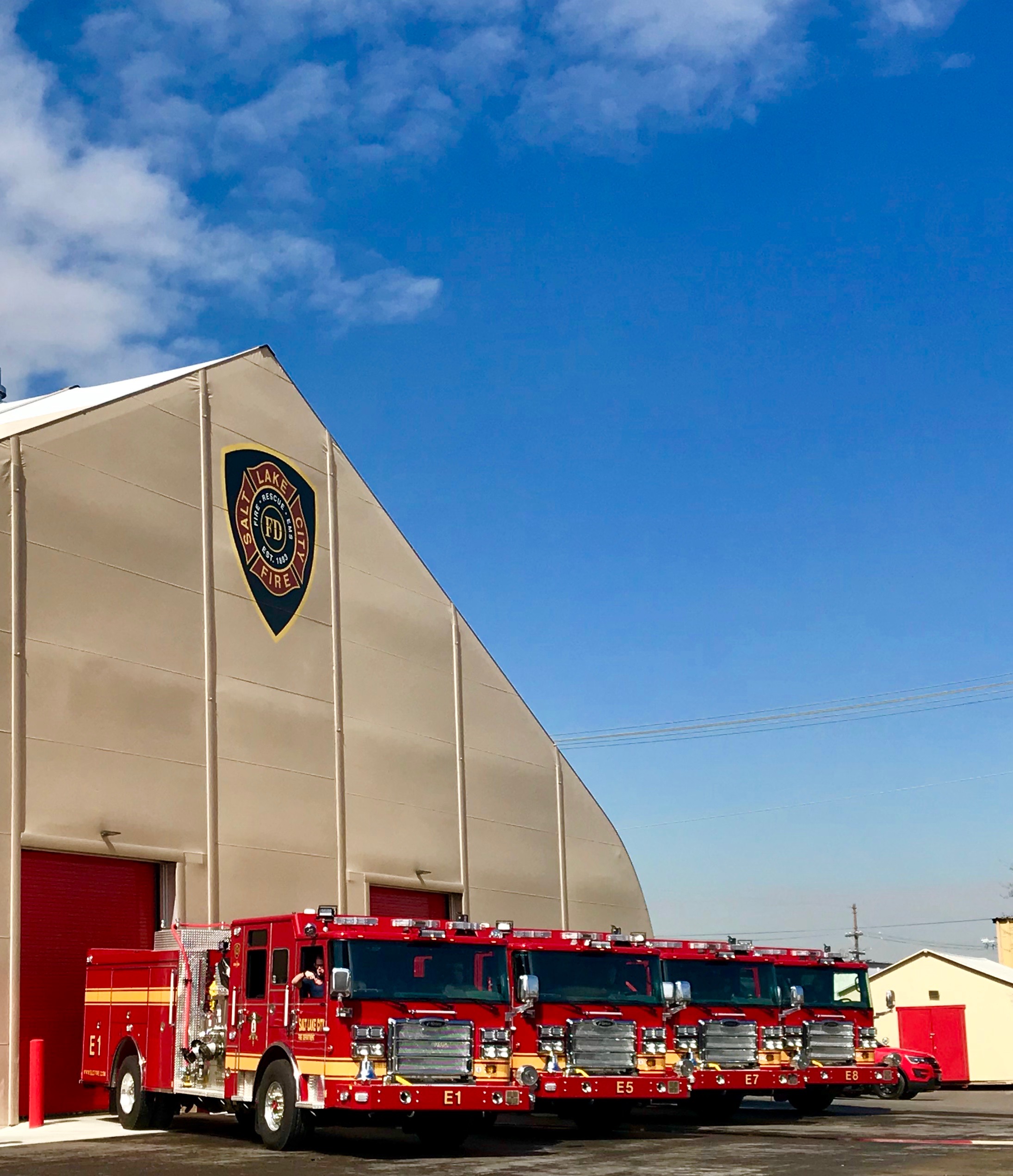
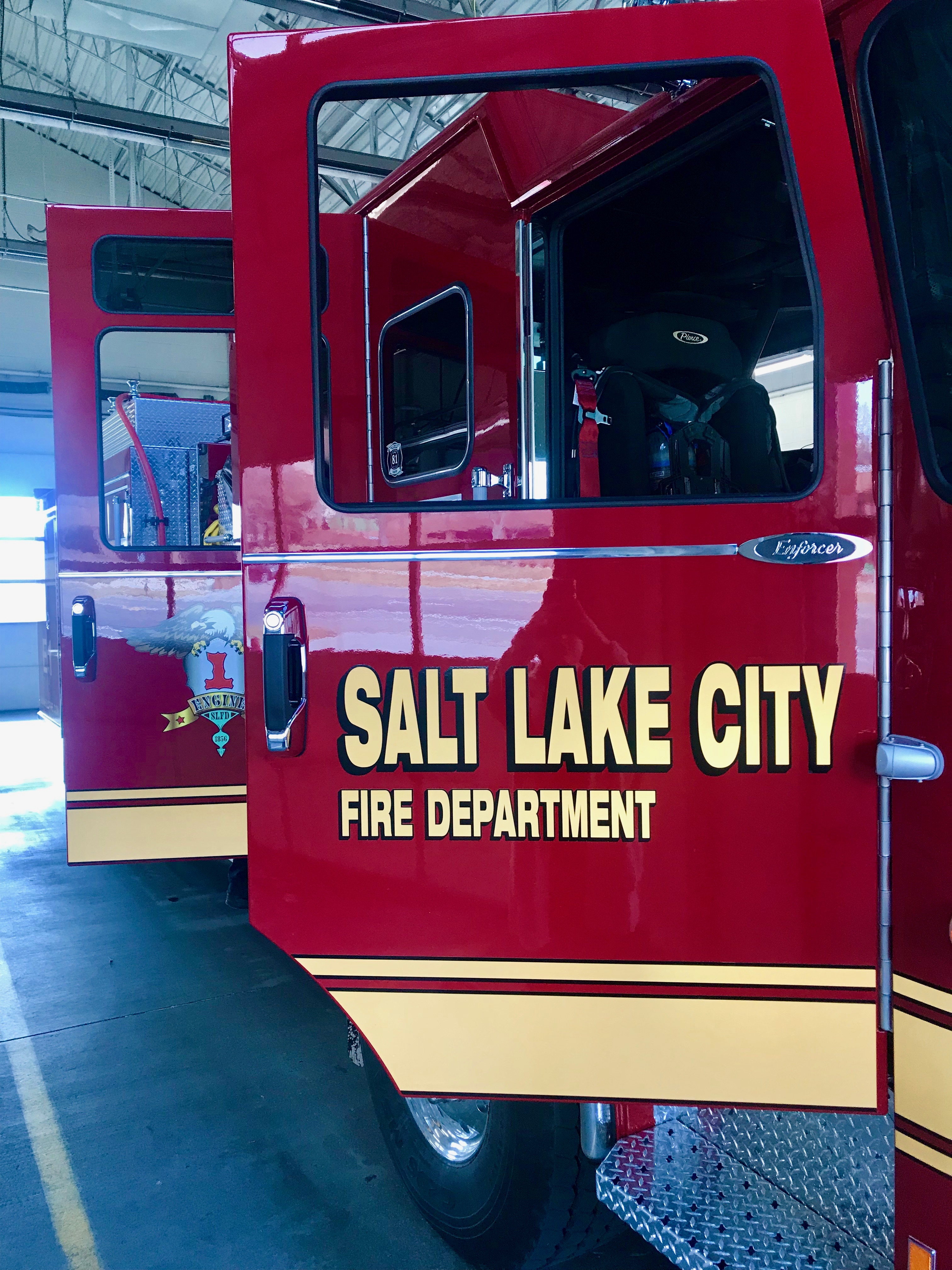

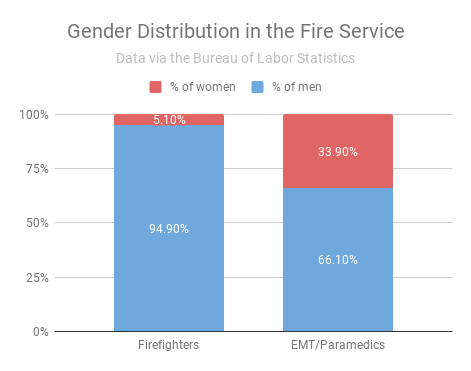


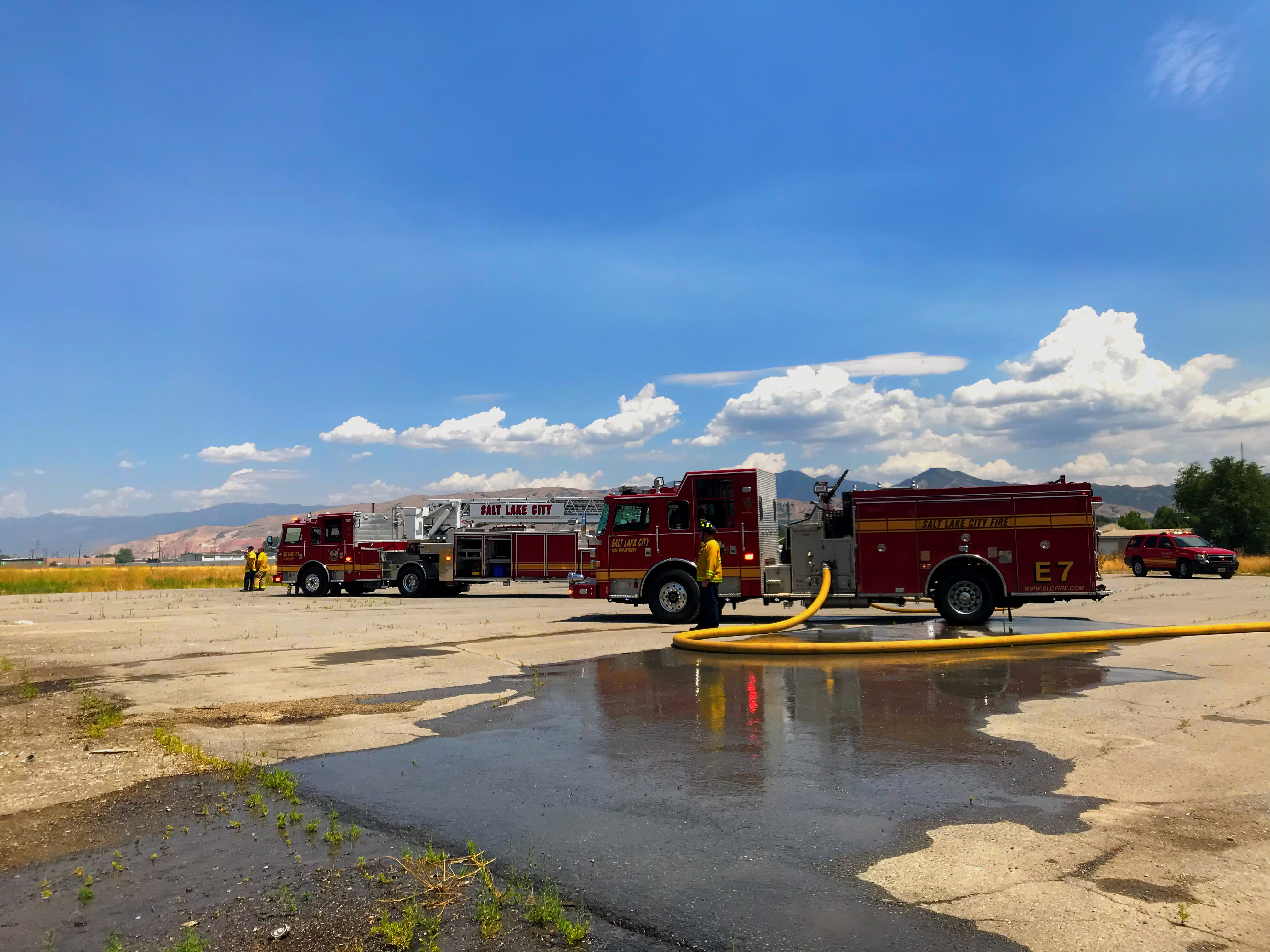


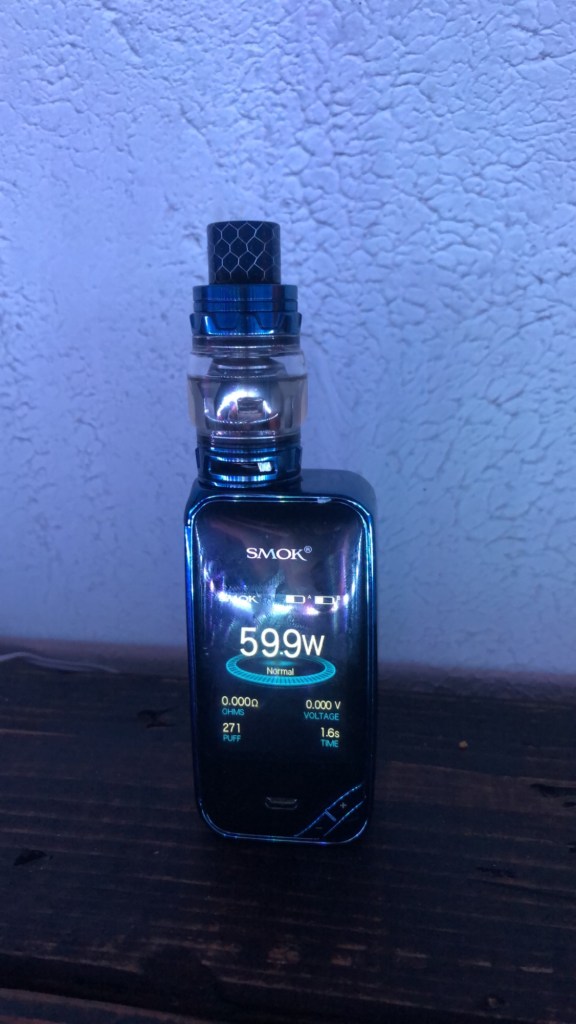
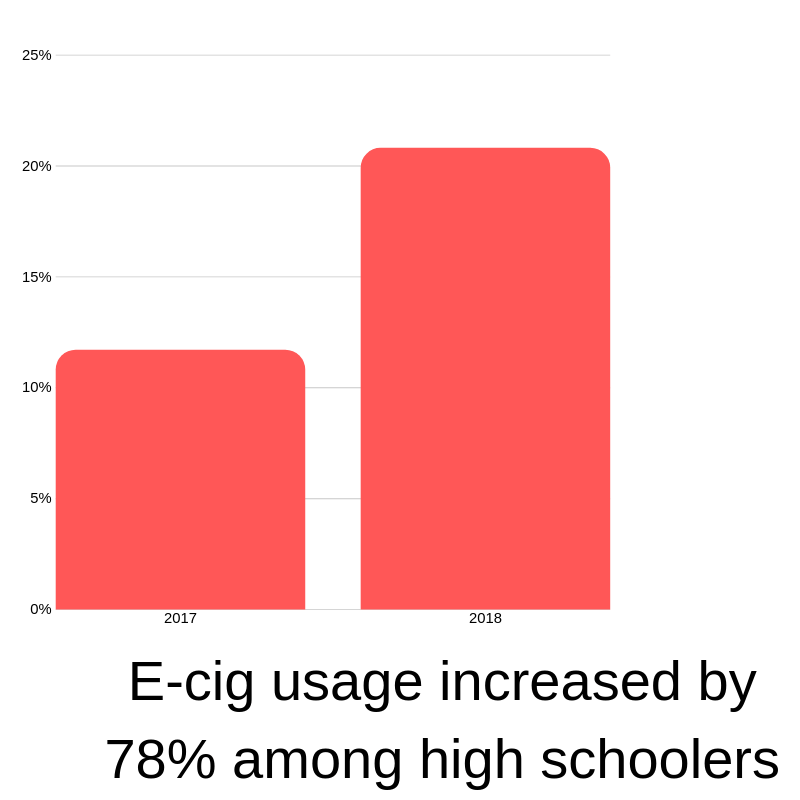

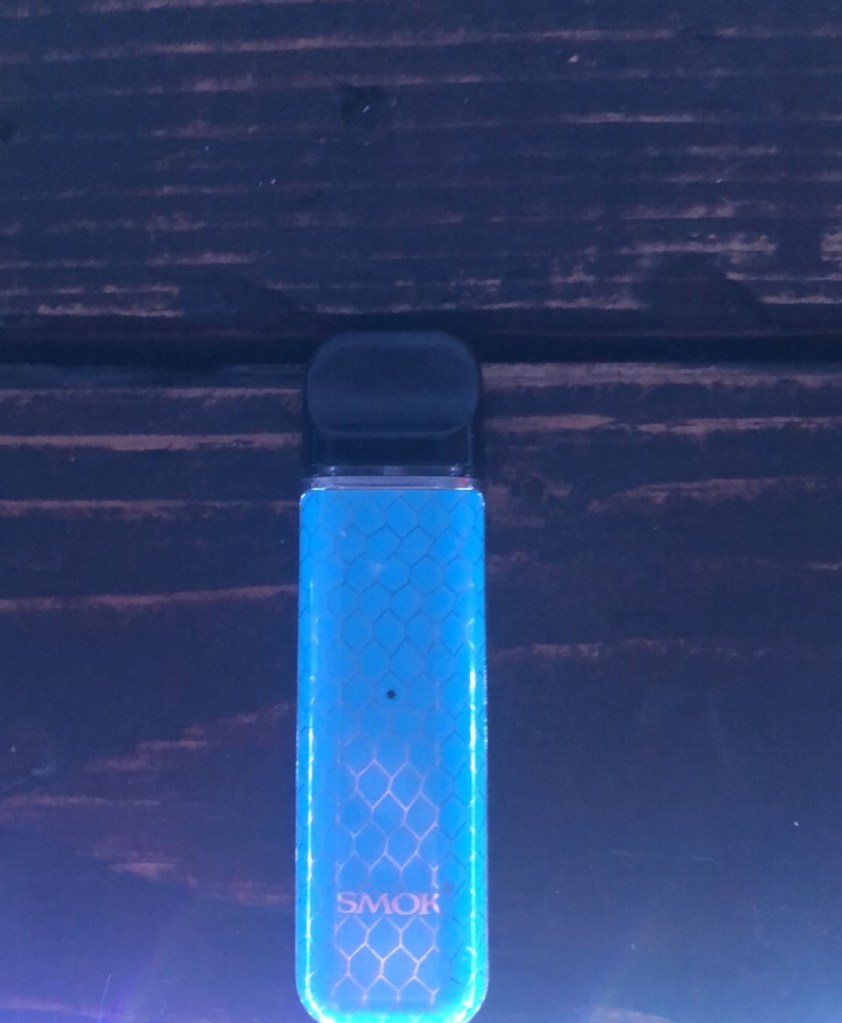




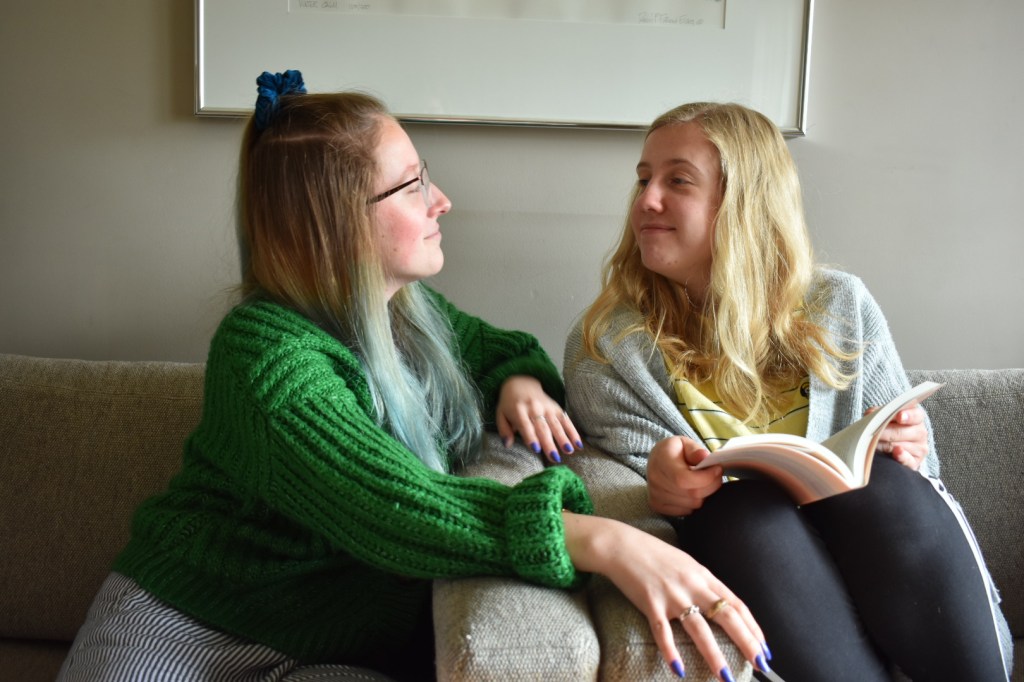


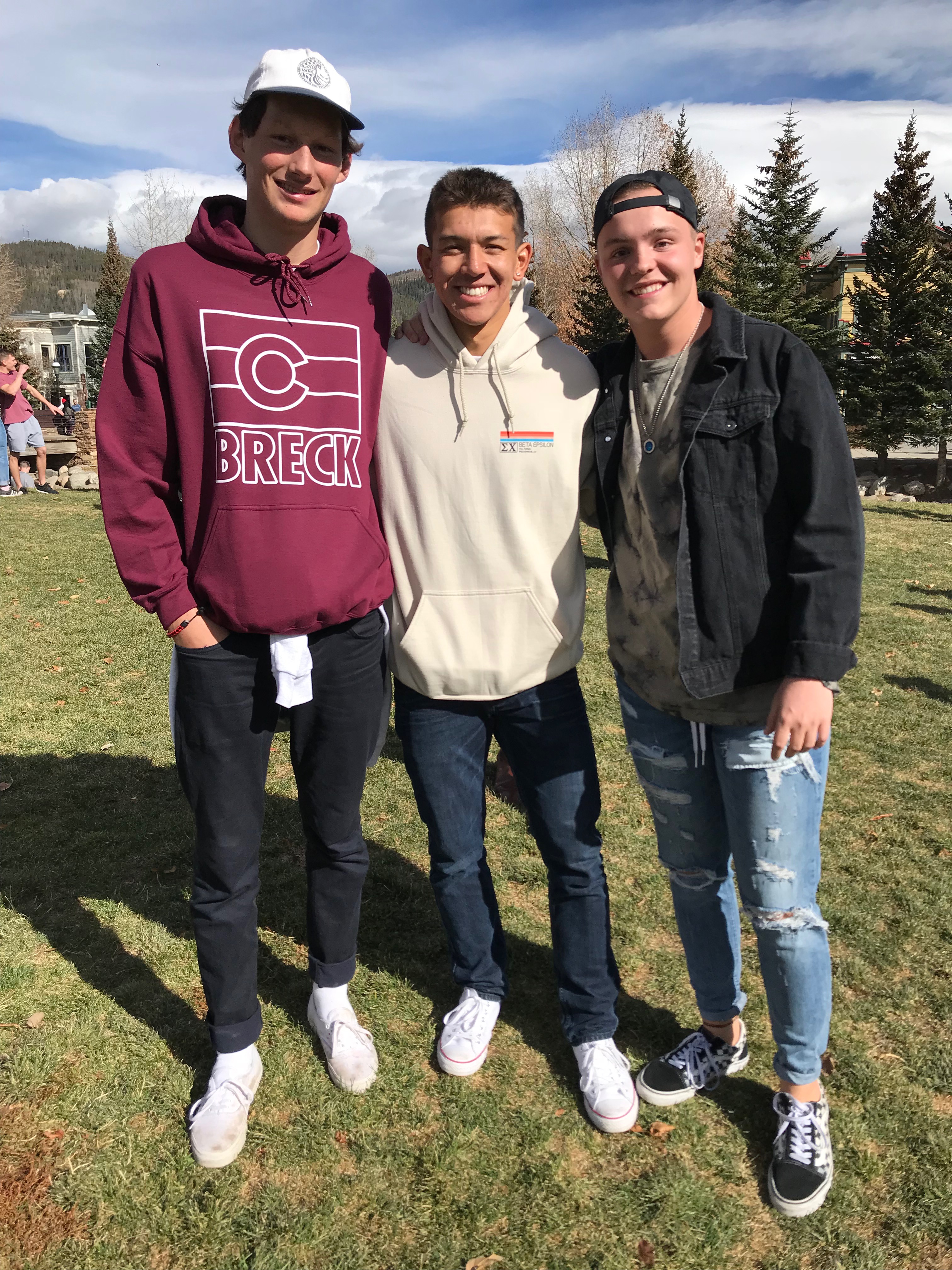
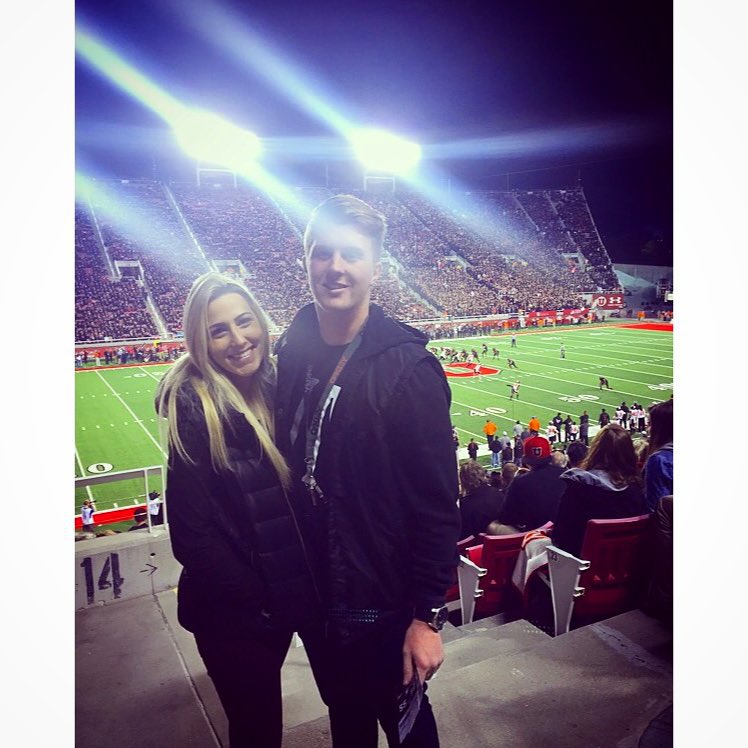
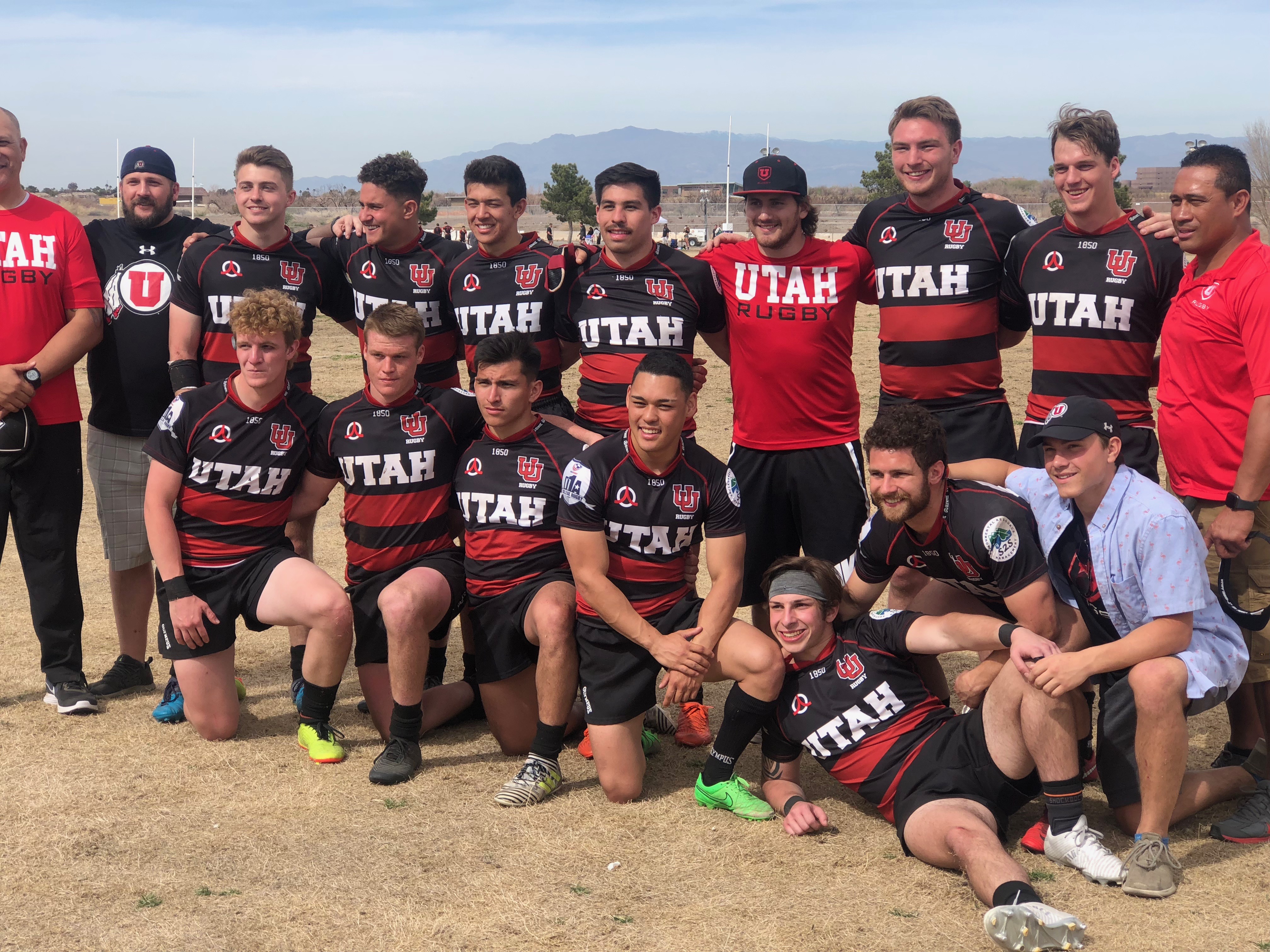
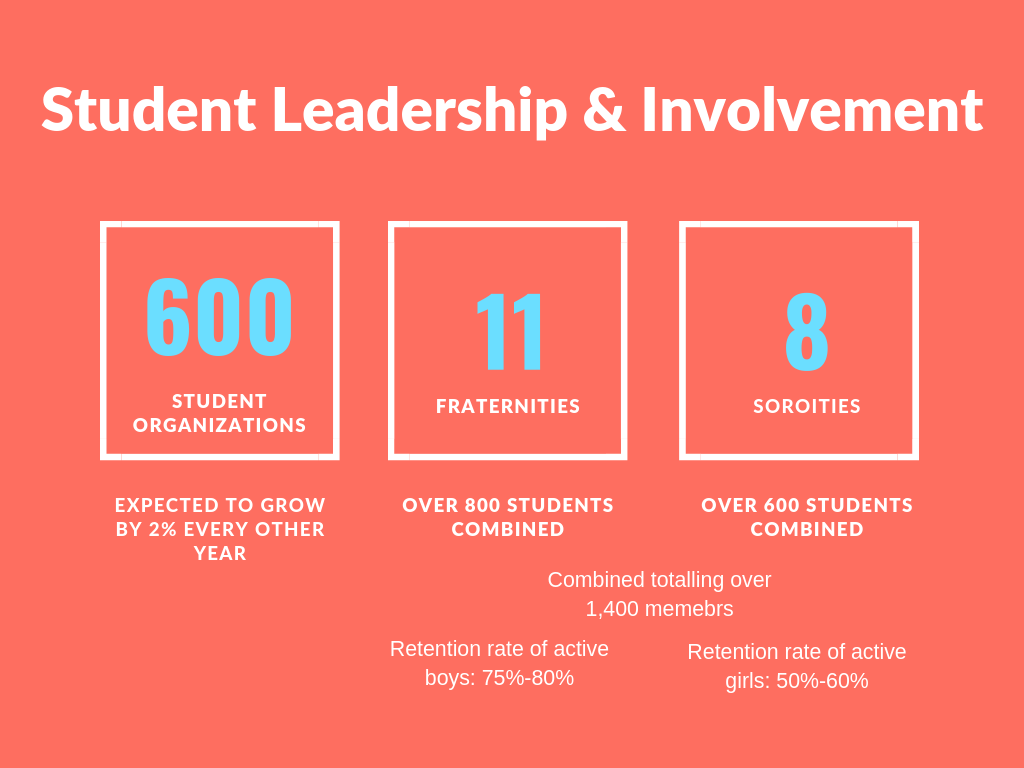
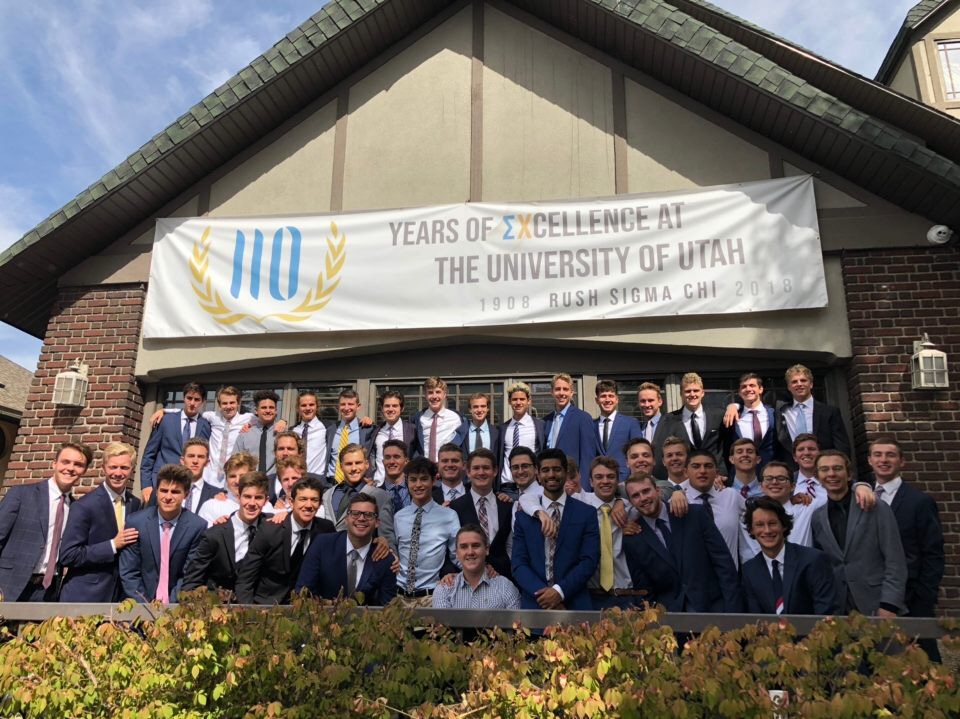


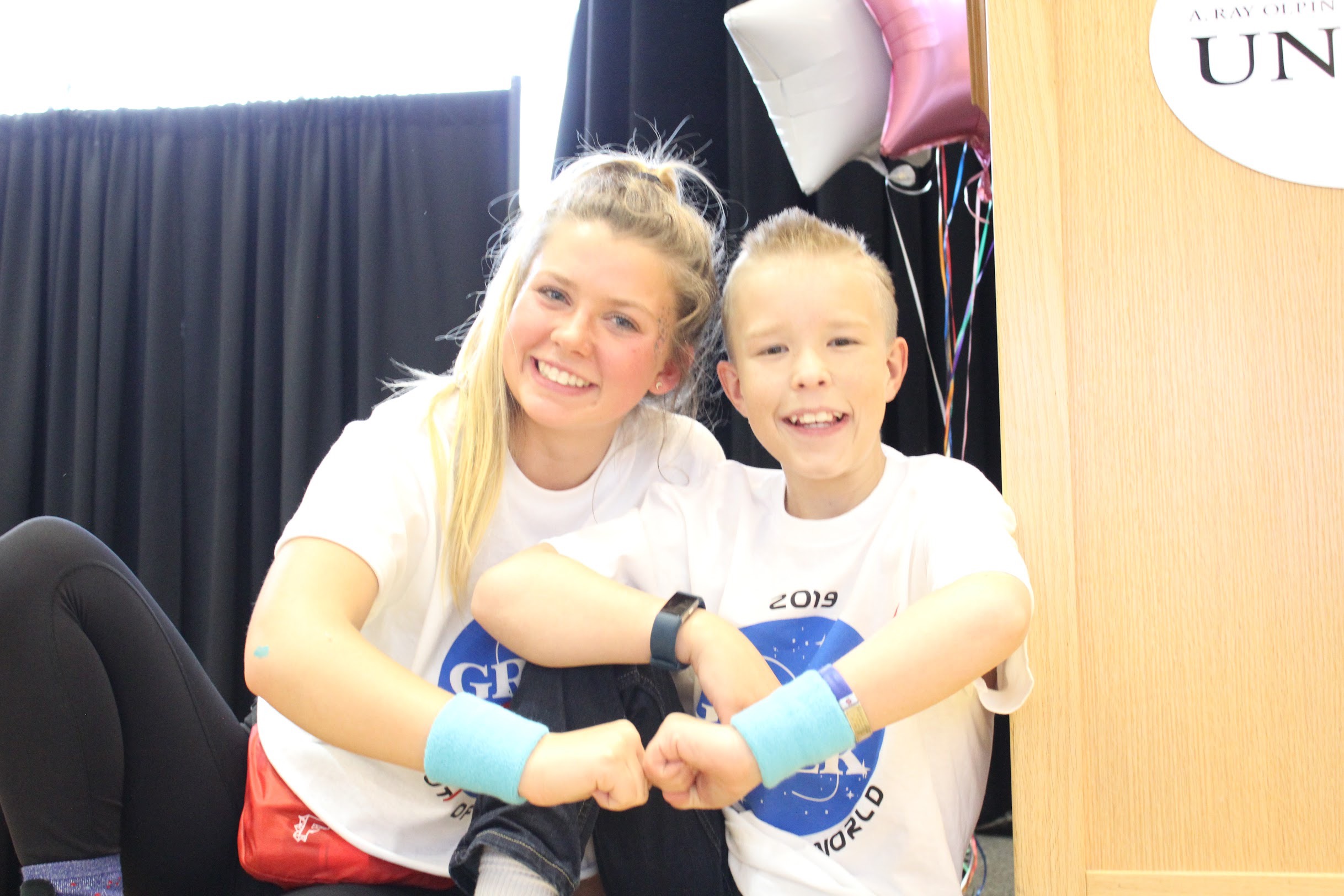


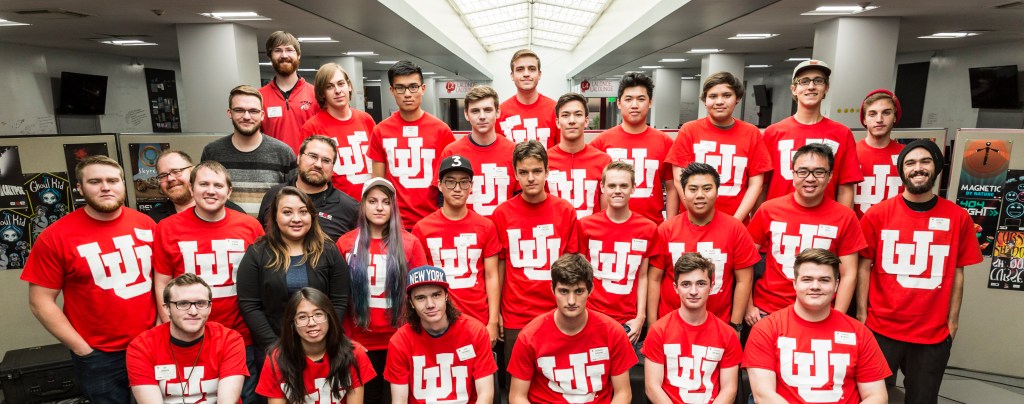
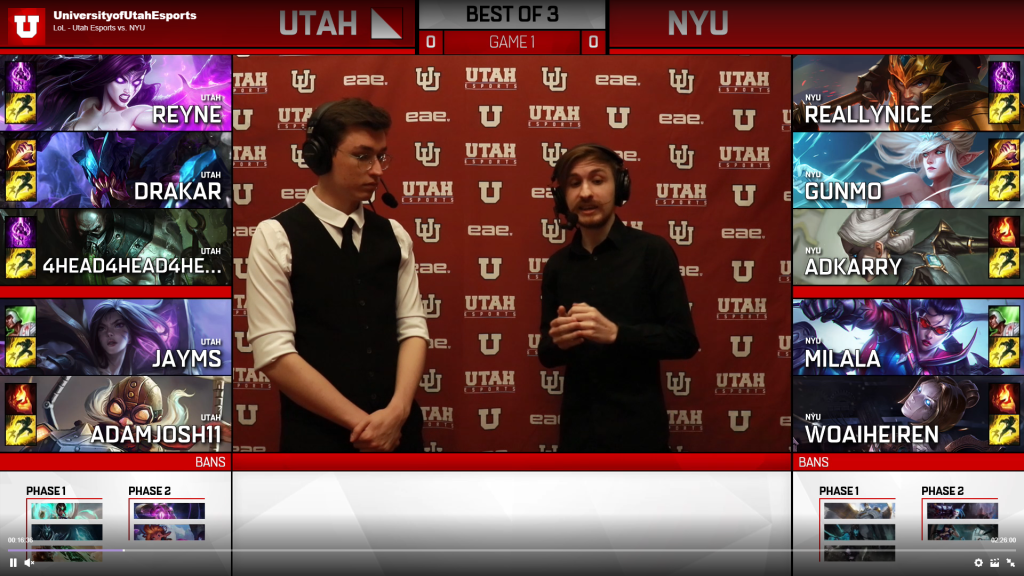
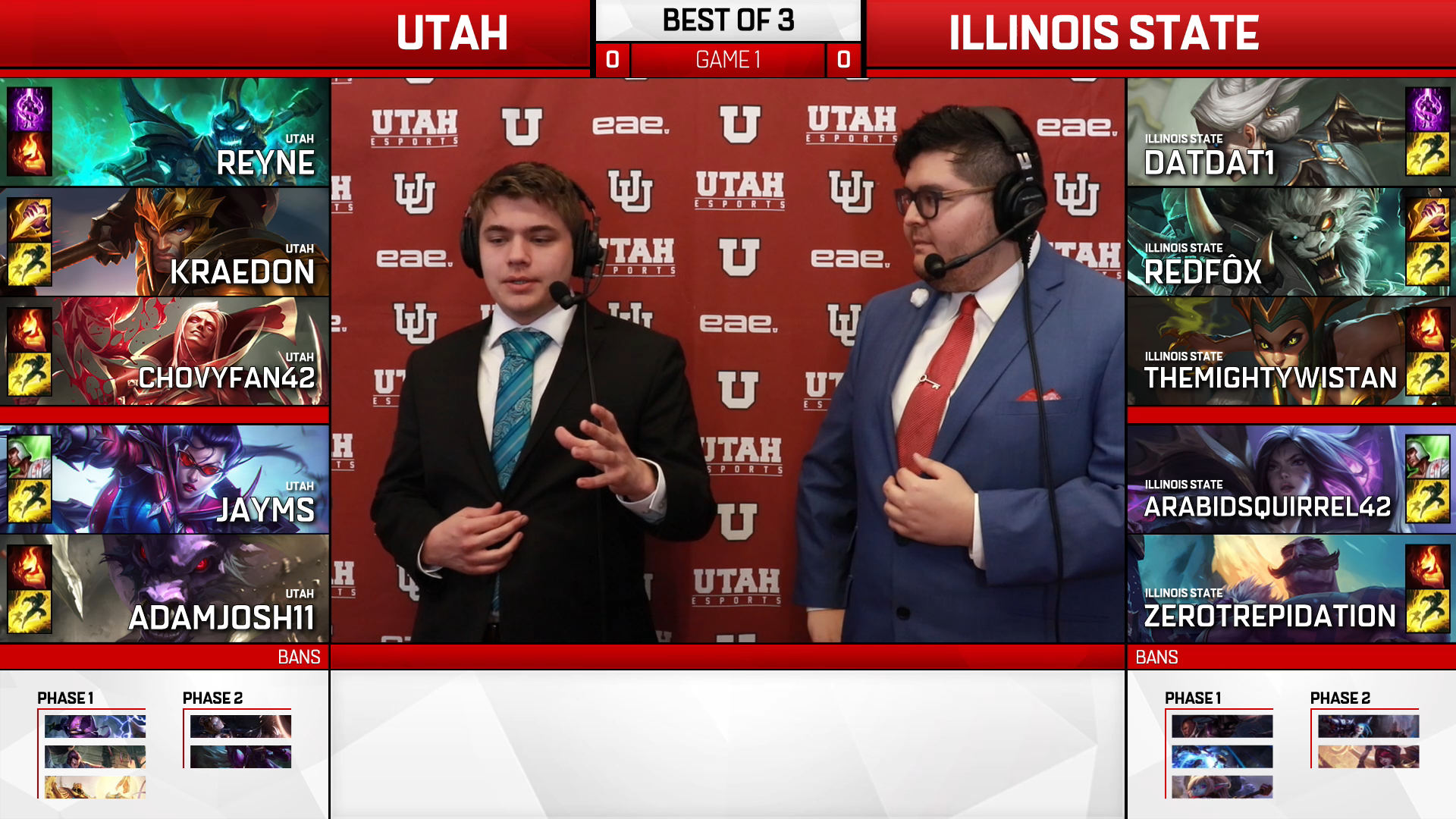
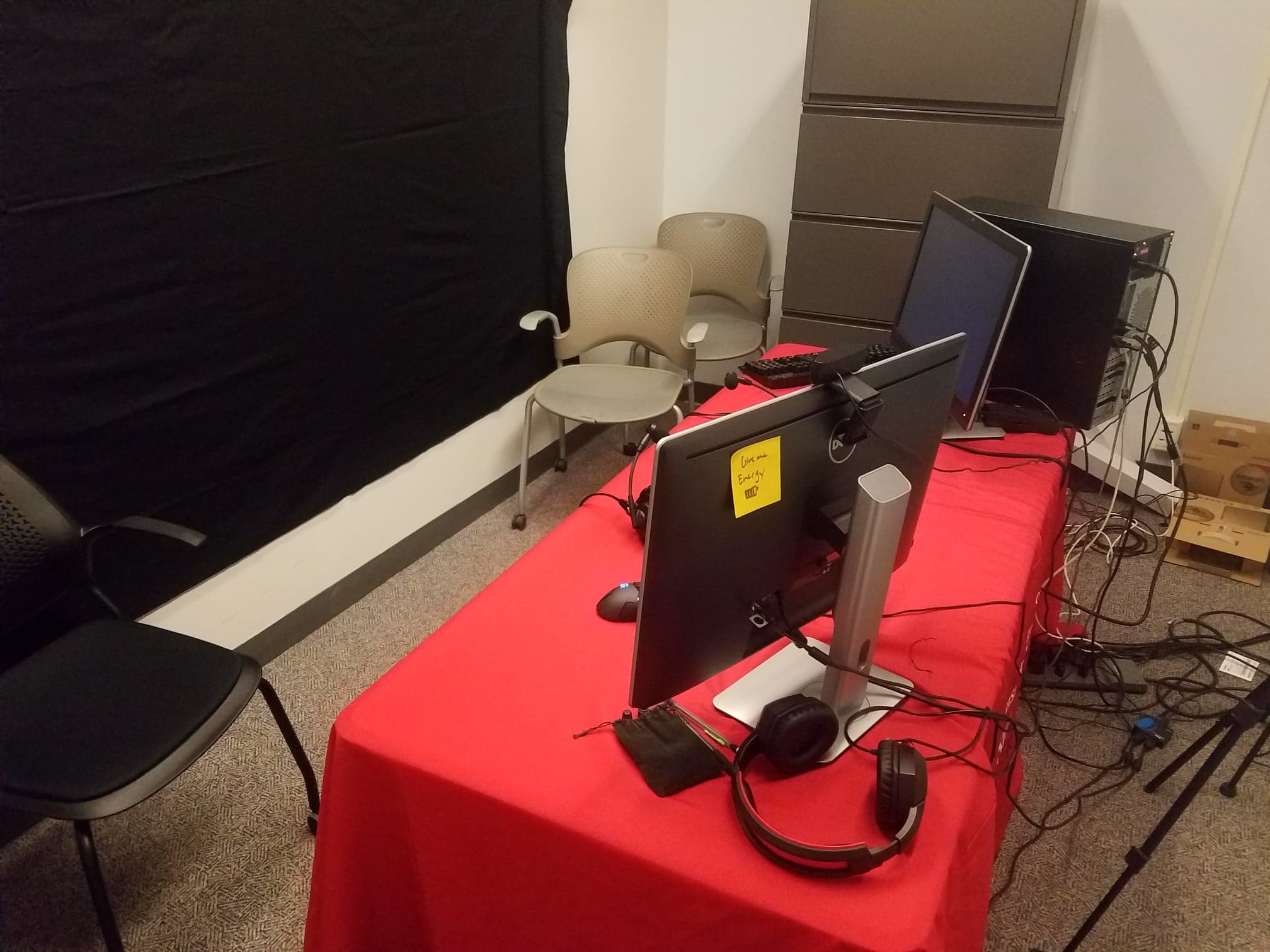

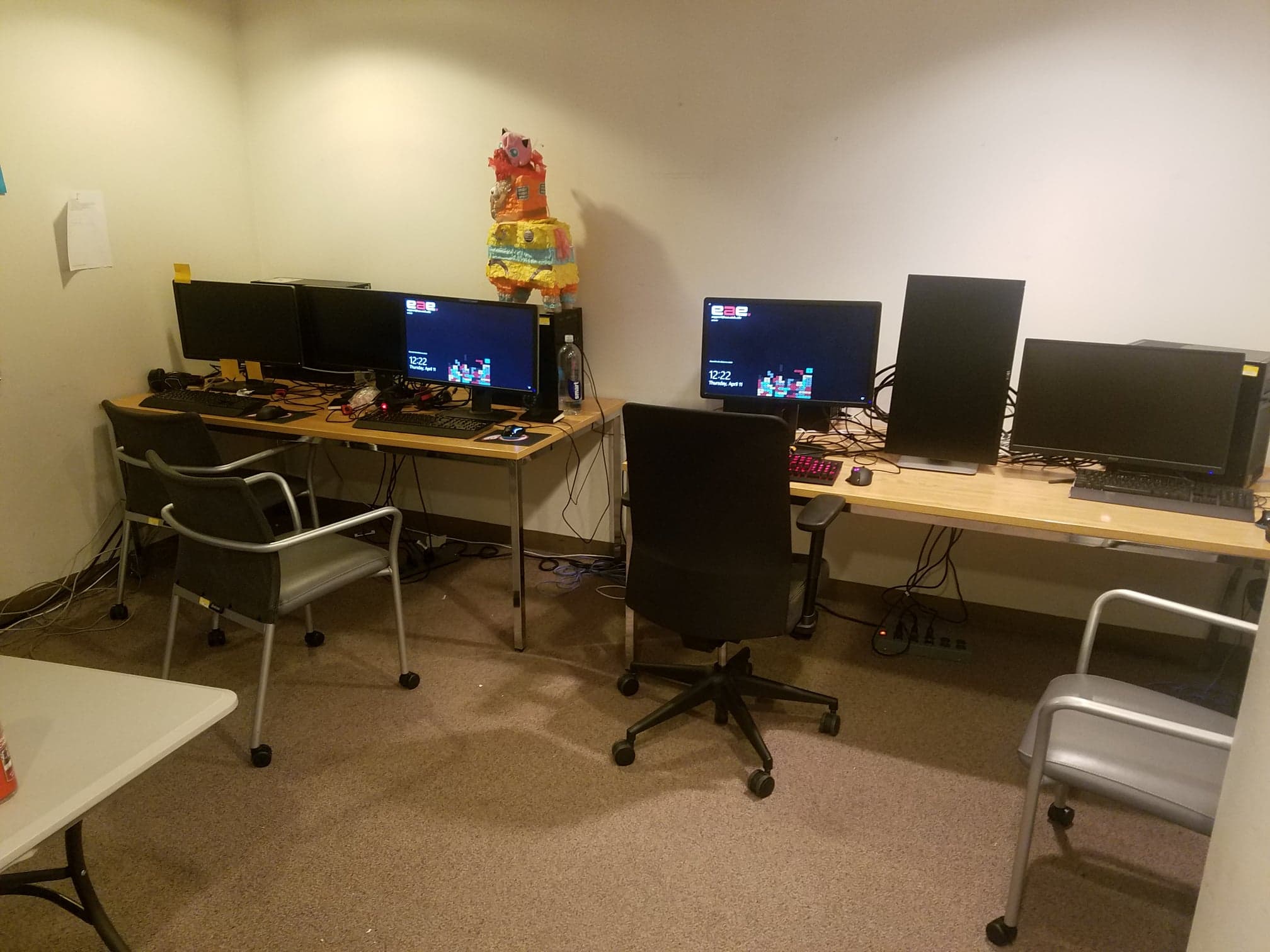
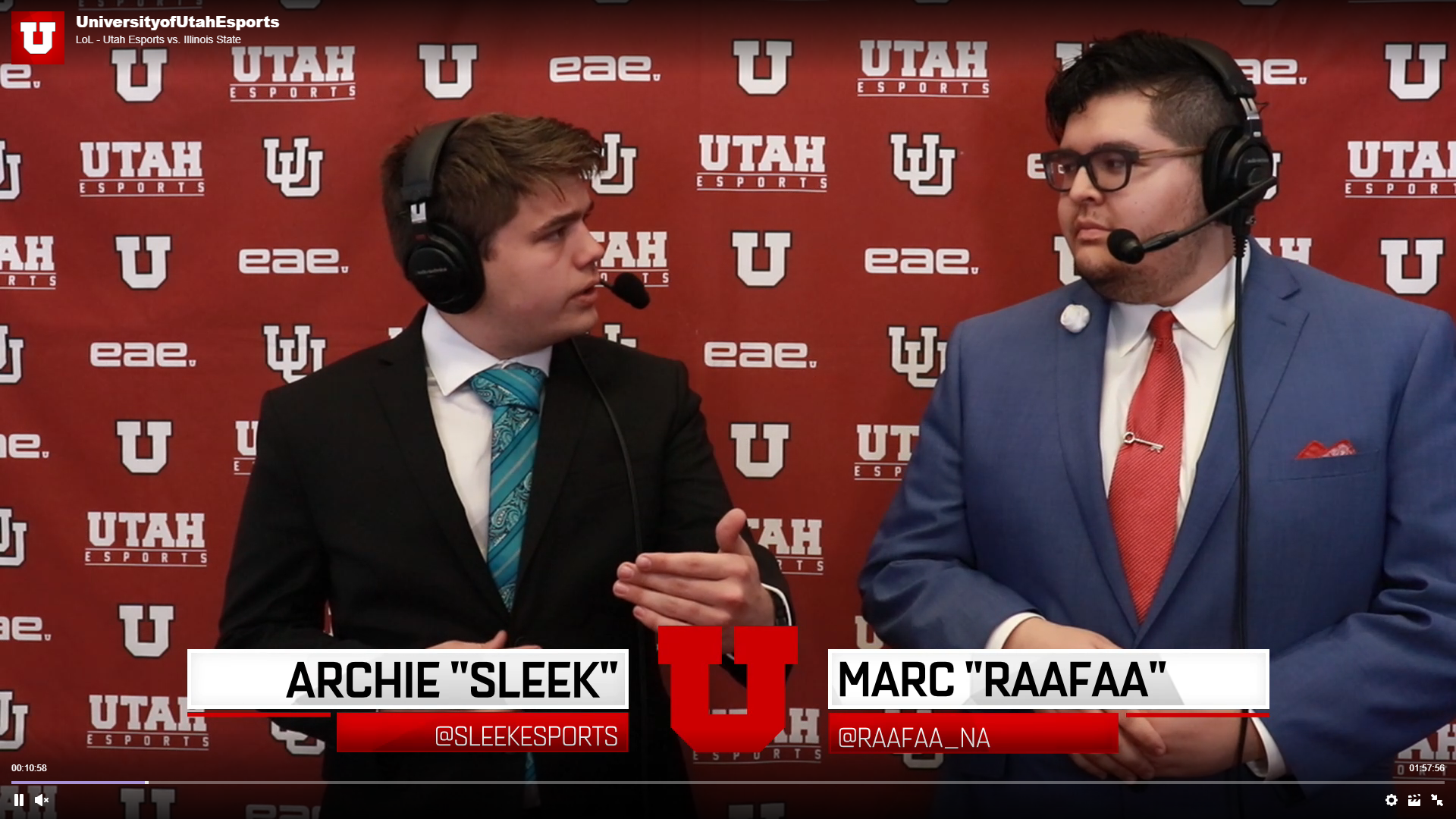
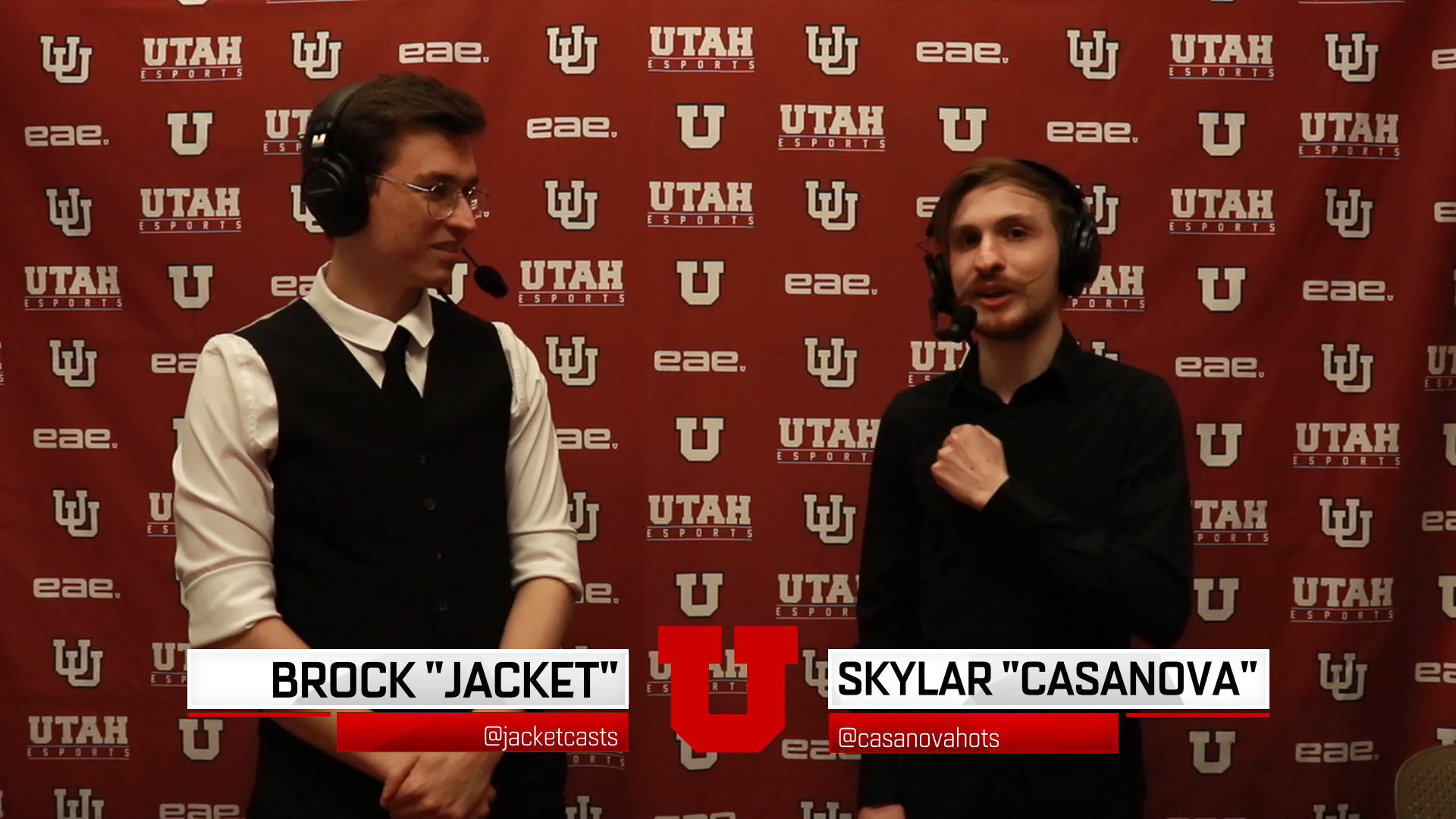
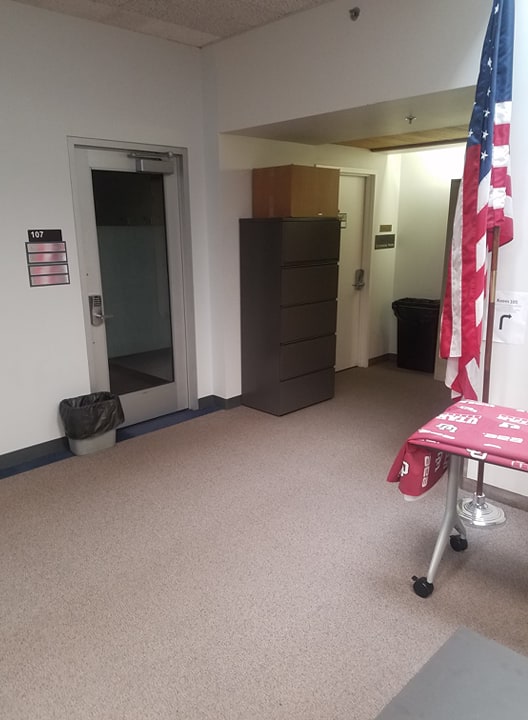
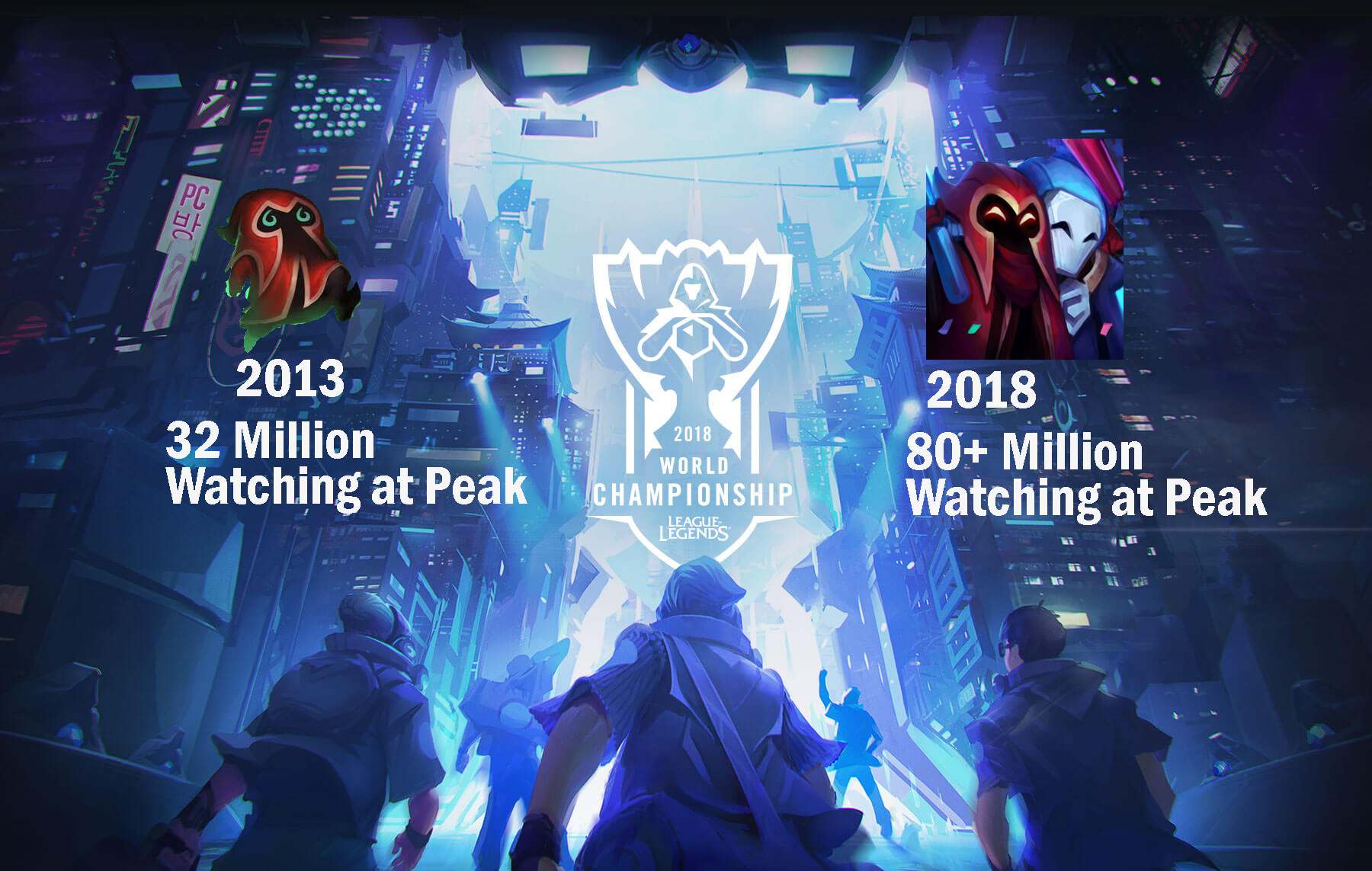

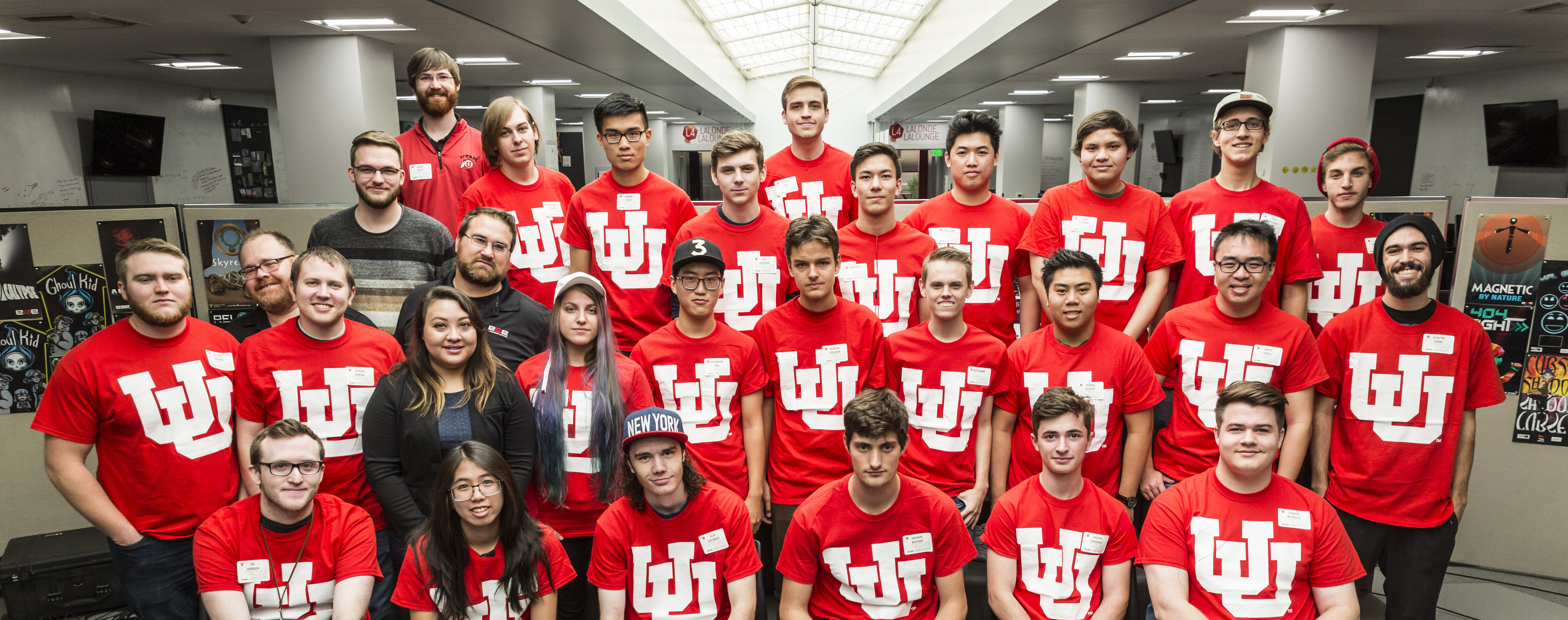
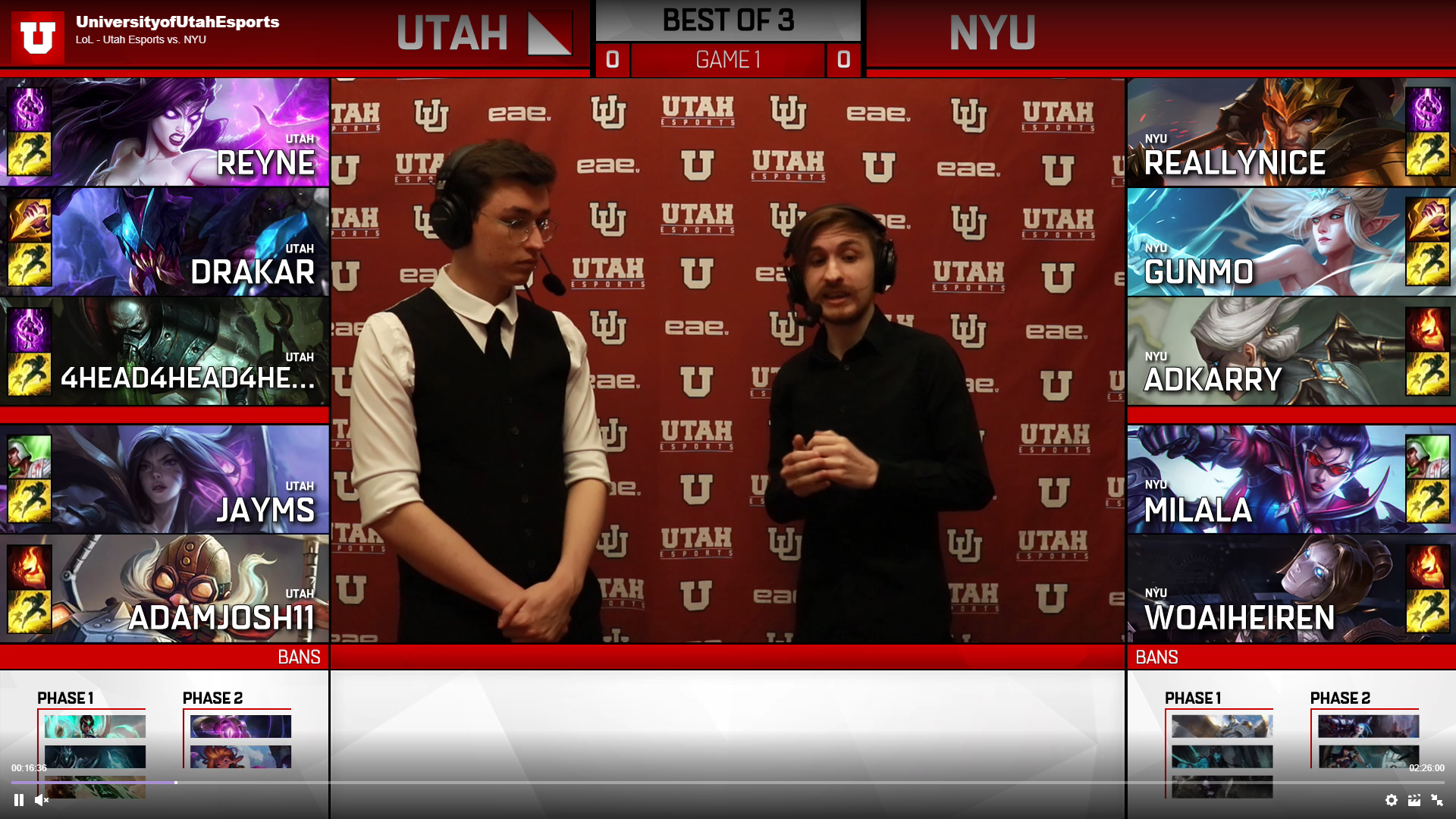
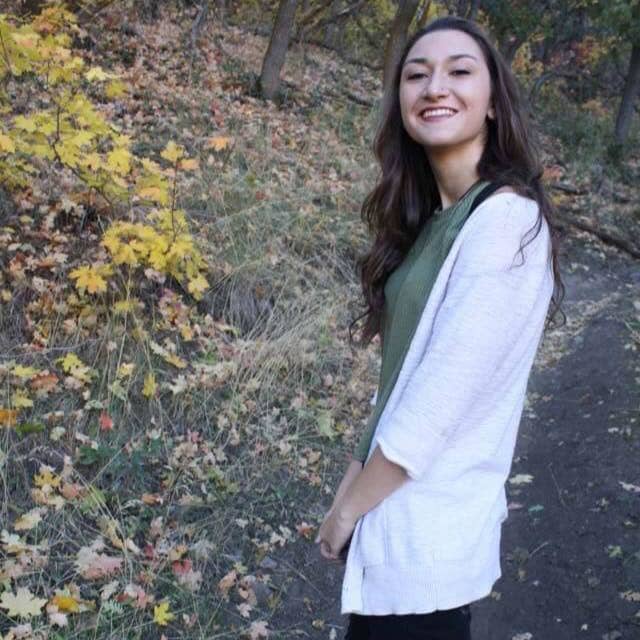


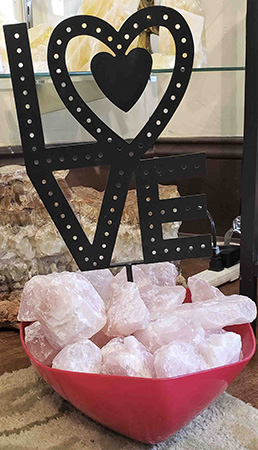
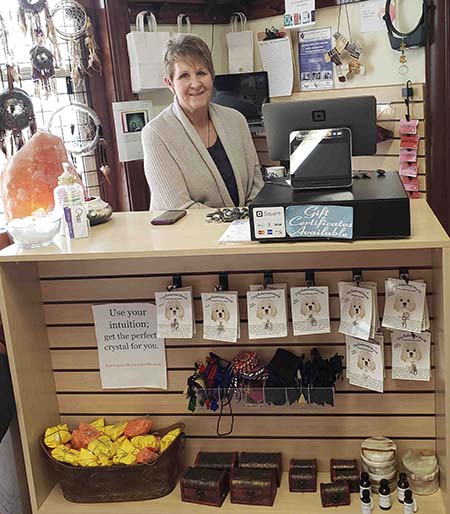

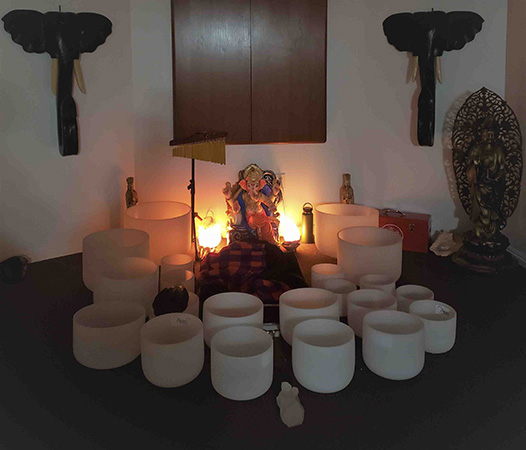
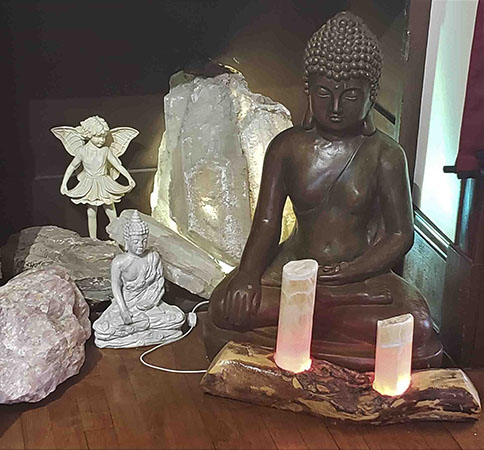


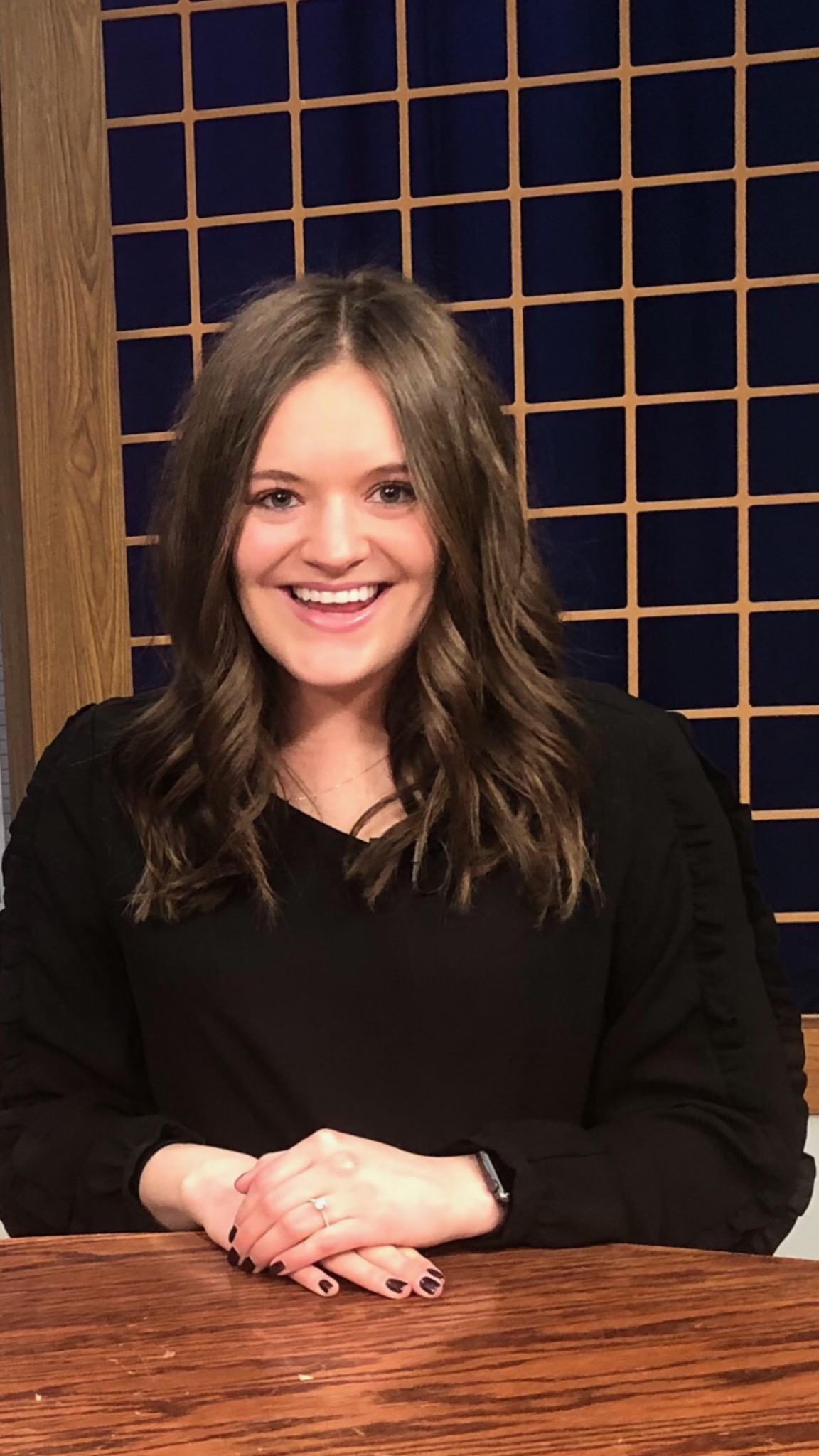
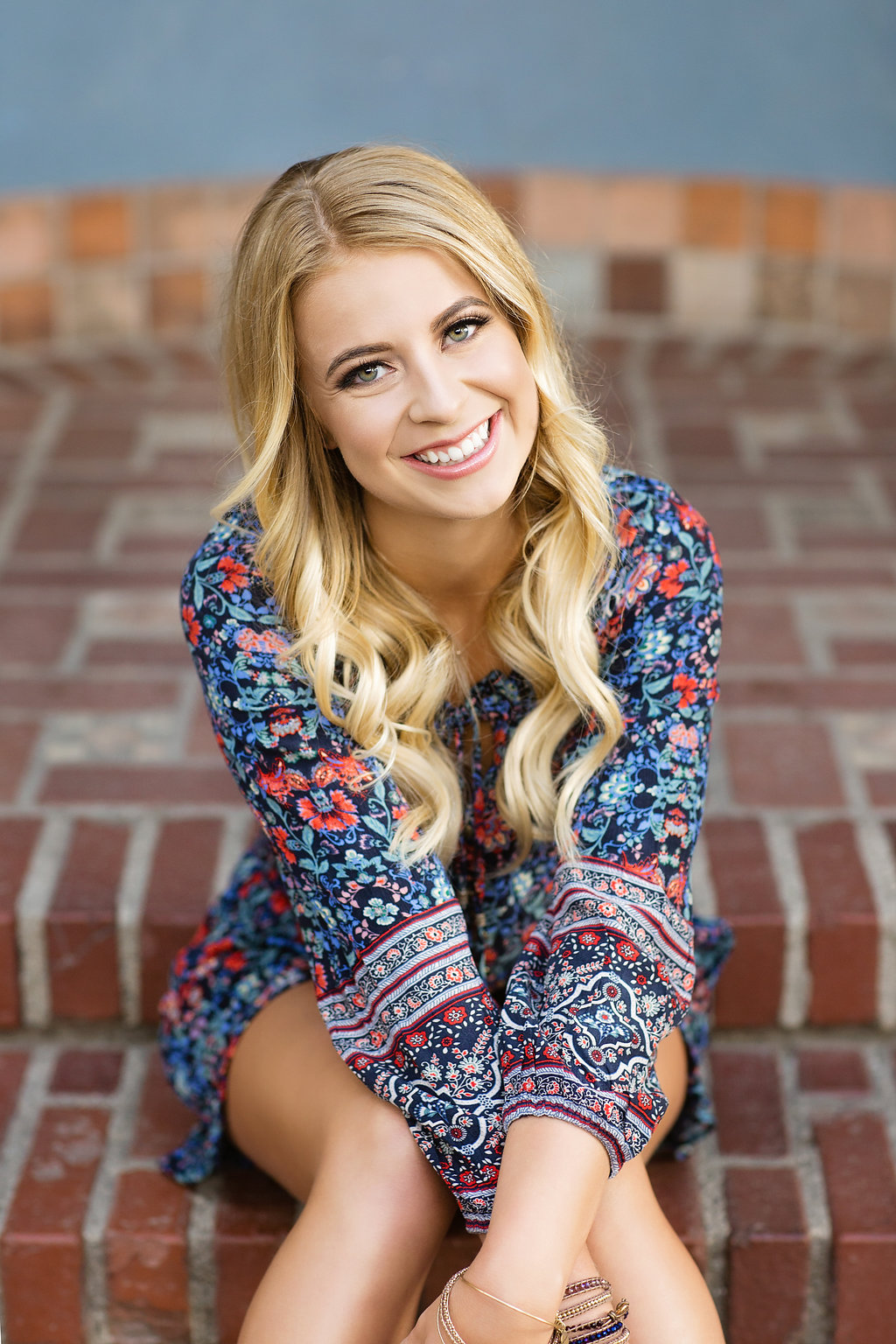


 U NewsWriting